Why November 19th is a Pivotal Date for Gardeners
“I Thought the Gardening Season Was Over!”
Many gardeners pack away their tools after the first frost, believing their work is done until spring. This misconception can lead to a cascade of problems, from winter-killed perennials due to frost heave to missed opportunities for planting crops like garlic that require a cold period. Neglecting these final tasks leaves your garden vulnerable and means you’ll be playing catch-up instead of getting a head start when warmer weather returns.
Leveraging the Waning Moon Phase
Here’s a unique detail many might not know: in late November 2024, the moon is in a waning phase. According to the tradition of gardening by the moon, this period is considered ideal for activities that focus the plant’s energy downward into its root system. This makes November 19th a particularly potent day for planting spring bulbs, establishing new perennials, and applying protective mulch.
Essential Protective Activities for Your November Garden
Tucking in Your Perennials and Shrubs
Applying a fresh layer of mulch is crucial for insulating plant roots, but timing is everything. You should apply mulch *after* the ground has frozen. Doing so locks in the cold, preventing the freeze-thaw cycles that cause “frost heave,” which can push plants right out of the soil. Applying mulch too early, while the ground is still warm, creates a cozy winter home for rodents.
Wrapping and Shielding Vulnerable Trees
Young trees are especially susceptible to winter sunscald, a condition where the warm winter sun heats up the bark on a cold day, only for it to refreeze at night, damaging the tissue. Protect the trunks by wrapping them with commercial tree guards or burlap. This also helps deter rabbits and deer from gnawing on the tender bark.
The Final Lawn Care: Aeration and Winterizing Fertilizer
Your lawn still needs attention. A late-fall application of a winterizing fertilizer, which is high in potassium, strengthens grass roots and improves its hardiness against cold stress. This leads to a healthier, greener lawn the following spring. If your soil is compacted, core aeration now allows water, air, and that fertilizer to penetrate more effectively.
Proactive Planting and Prep for a Head Start on Spring
The Garlic Planting Deadline
If you haven’t planted garlic yet, November 19th is your final call! Planting individual cloves now allows them to establish roots before the ground freezes solid, leading to a robust harvest in July 2025. It’s one of the simplest and most rewarding late-season tasks.
“Why Bury My Pots?” A Unique Trick for Container Gardeners
Here’s a clever tip you might not have heard: empty terracotta and ceramic pots left outdoors can crack during winter as they absorb water and then freeze. To prevent this, either bring them indoors or, if you have the space, bury them upside down in a vacant garden bed. This protects them from the elements and saves you from replacing broken pots in the spring.
Preparing Your Garden Beds for Spring Planting
Give your future self a gift by prepping your garden beds now. Spread a 1- to 2-inch layer of compost or well-rotted manure over your empty beds. Over the winter, the freeze-thaw action and soil organisms will help work these amendments into the earth, creating rich, fertile soil that’s ready for planting come spring.
Tool Care & Cleanup: A Chore You’ll Thank Yourself For Later
Rusty, Dull Tools in Spring
There’s nothing more frustrating than starting a new gardening season with tools that are rusty, dull, and difficult to use. Neglecting this simple end-of-season maintenance puts you at an immediate disadvantage and can make every spring chore more laborious.
A Simple End-of-Season Tool Maintenance Routine
- Clean: Use a wire brush and soapy water to remove all dirt and sap.
- Sharpen: Use a file or whetstone to sharpen the edges of hoes, shovels, and pruners.
- Disinfect: Wipe down blades with a disinfectant like rubbing alcohol to kill any lingering pathogens.
- Oil: Lightly coat all metal surfaces with a thin layer of oil (e.g., mineral oil) and rub wooden handles with linseed oil to prevent drying and cracking.
November Garden FAQ: Your Pressing Questions Answered
“Is it too late to plant spring-blooming bulbs on November 19th?”
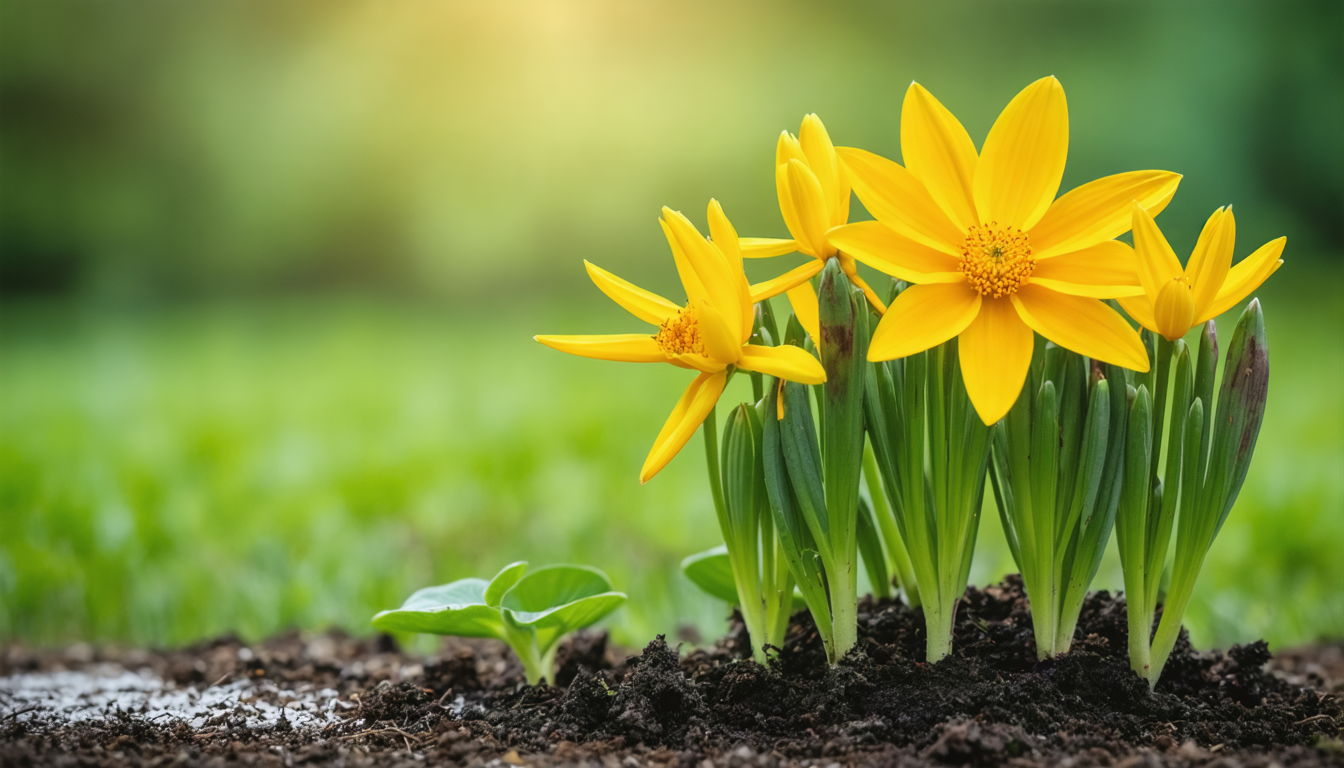
Answer: As long as the ground isn’t frozen solid, you can still plant them! Bulbs like tulips and daffodils actually require a period of cold dormancy (called cold stratification) to trigger blooming in the spring.
“Should I cut back all my perennials in the fall?”
Answer: It depends on the plant. A helpful comparison:
| Cut Back Now | Leave Standing Until Spring |
|---|---|
| Hostas | Ornamental Grasses (for winter interest) |
| Peonies | Coneflowers (seed heads feed birds) |
| Daylilies | Sedum |
“What should I do with all the fallen leaves?”
Answer: Don’t bag them and send them to the landfill! They are “gardener’s gold.” Run over them with a lawn mower to shred them, then add them to your compost bin or use them directly as a fantastic, free mulch for your garden beds. Shredding prevents them from matting into a soggy, impenetrable layer.
“How can I protect my potted evergreens from winter burn?”
Answer: Potted evergreens are vulnerable because their roots are above ground and can freeze. Group them together on the leeward side of your house or another sheltered location. For extra protection, spray the foliage with an anti-desiccant, which coats the leaves and reduces moisture loss from harsh, drying winds.
Conclusion: Your Reward for a Job Well Done
Taking the time to optimize your November garden on a specific date like November 19, 2024, is an investment that pays enormous dividends. The effort you put in now—protecting, planting, and preparing—is the key to unlocking a healthier, more vibrant, and more productive garden next spring. You’ll have the deep satisfaction of knowing you set the stage for success while others are just beginning to dig out their muddy tools.