November Garden Protection: Tucking Your Plants in for Winter
Preventing Winter Kill and Soil Erosion
Sudden frosts, freezing winds, and heavy rain can decimate perennials, bulbs, and bare soil. Here’s how to fight back:
- Mulching Like a Pro: Don’t just pile it on. Apply a thick layer of straw, shredded leaves, or wood chips after the ground has frozen slightly to discourage rodents.
- Building Simple Frost Cloches: Use recycled plastic bottles or milk jugs to protect young, vulnerable plants on cold nights.
The Final Harvest & Strategic Planting
Maximize your garden’s output and get a head start on spring:
- Harvesting the Last Stand: A checklist for your final picks (hardy greens like kale, Brussels sprouts, root vegetables like parsnips and carrots which sweeten with frost).
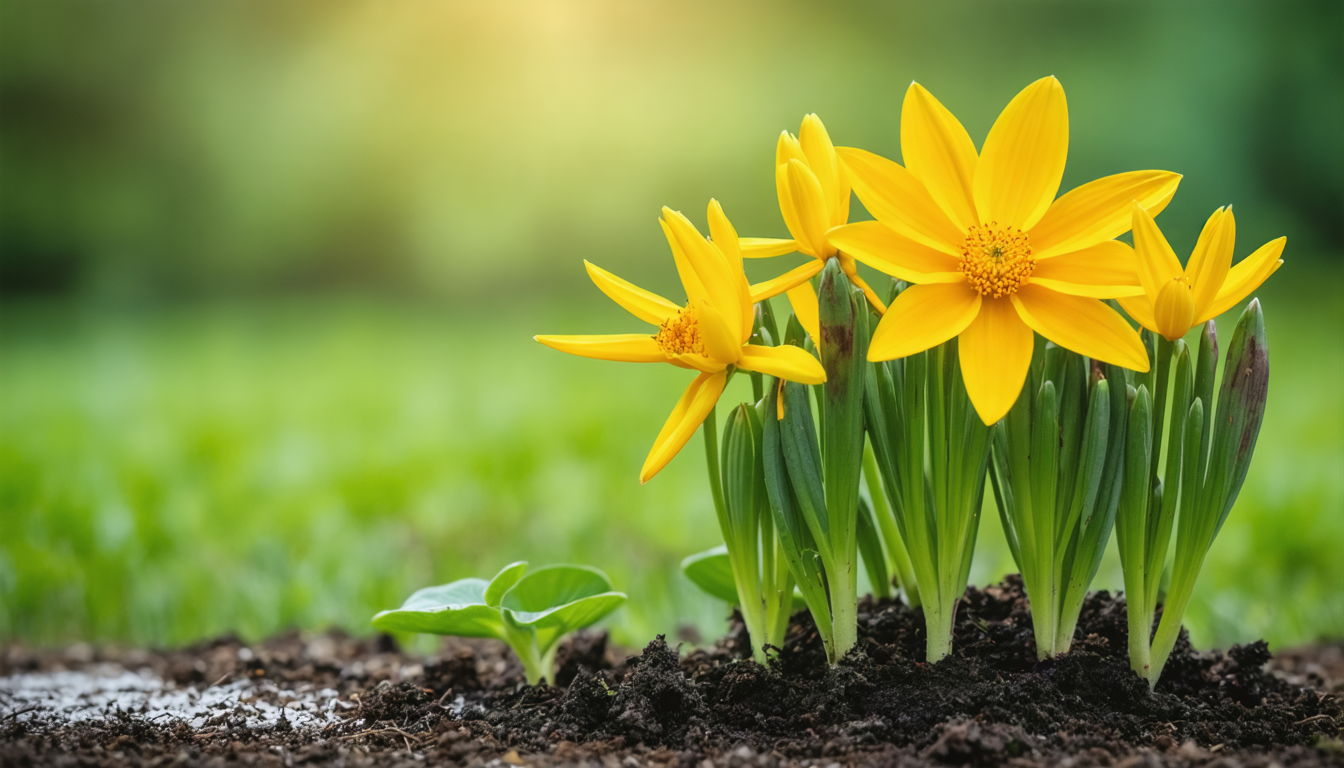
- Planting for Spring: Garlic & Flowering Bulbs: Step-by-step guide to planting garlic cloves and spring-flowering bulbs like tulips and daffodils now for a huge payoff later.
Urban Livestock Management: Keeping Your Flock & Herd Happy
Maintaining Egg Production and Animal Health
As daylight shortens, chickens’ egg production plummets. All animals are more susceptible to dampness and cold. Solutions include:
- To Light or Not to Light? A balanced look at the pros and cons of using supplemental light in the coop.
- Coop and Hutch Winterizing: Ensuring proper ventilation (to prevent respiratory issues) while blocking drafts. Deep litter method explanation.
The “Poultry Tractor” Method for Fall Soil Enrichment
Instead of keeping your chickens confined, use a movable “tractor” pen to place them on your spent garden beds. They will naturally till the soil, eat leftover pests and weed seeds, and fertilize it with their manure—all while being protected from predators. It’s a boss-level, no-till preparation strategy.
Tool & Technique Showdown: November Edition
Leaf Management: Rake vs. Mulcher vs. Do Nothing
| Method | Pros | Cons |
|---|---|---|
| Raking | Traditional, good exercise | Labor-intensive |
| Mulching with a Mower | Efficient, creates instant free mulch/compost | Requires a mower with mulching capability |
| Leaving Them Be (The Lazy Boss Method) | Benefits for lawn health, minimal effort | Potential for matting and disease if layer is too thick |
Winter Composting: Active Pile vs. Bokashi vs. Trench Composting
| Method | Best For | Key Consideration |
|---|---|---|
| Active Pile | Gardeners with ample space and materials | Requires turning and a large mass to generate heat |
| Bokashi | Urban dwellers, small spaces; can process meat/dairy | An anaerobic, indoor-friendly method that ferments scraps |
| Trench Composting | Minimalists, “set it and forget it” enthusiasts | Bury kitchen scraps directly in a garden bed to decompose over winter |
Frequently Asked Questions (FAQs) for the November Gardener
Q: Is it too late to plant anything in November?
A: Not at all! It’s the perfect time for planting garlic, spring-flowering bulbs, and bare-root trees and shrubs. The cool weather encourages root establishment without the stress of summer heat.
Q: How can I keep my chicken’s water from freezing without electricity?
A: A true boss uses physics! Use a black rubber base pan and refill it with warm water twice a day. The dark color absorbs solar energy, and the rubber prevents cracking. For a slightly more advanced tactic, a heated dog bowl placed on a non-flammable surface is a safe option.
Q: Should I cut back all my perennials in the fall?
A: No! This is a common mistake. Leave plants with sturdy stems and seed heads (like coneflowers, sedum, and ornamental grasses) standing. They provide winter interest, food for birds, and habitat for beneficial insects.
Conclusion: Boss Your Way into Spring
The work done in November is an investment. By taking these proactive steps to protect your garden and care for your urban livestock, you’re not just closing out the year—you’re laying the groundwork for an even more successful and vibrant spring. Now go out there and Garden Like A Boss.