Why November is Your Secret Weapon for Summer Success
“There’s Nothing to Do in November!”
Many gardeners pack away their tools after the first frost, believing the season is over. This misconception is one of the biggest missed opportunities. The tasks you complete now are direct solutions to future problems, leading to fewer weeds, richer soil, and a significantly more abundant and earlier harvest next summer.
Get a 3-Month Head Start on Spring
While everyone else is scrambling to prepare their gardens in the unpredictable weather of March and April, you’ll be calmly planting. November’s work gives you a crucial head start, making your spring gardening experience more relaxed and productive.
Essential Soil Preparation: Feed the Earth to Feed Your Family
The Power of a “Blanket” for Your Garden Beds
Worn-out, nutrient-depleted soil is a primary cause of weak plants and poor yields. The solution is to add a thick layer (2-3 inches) of finished compost or well-rotted manure to your garden beds. The winter’s freeze-thaw cycles and rain will slowly work these nutrients deep into the soil, creating a rich foundation for spring planting.
Unique Insight: This is the perfect time to plant a “living mulch” like winter rye or crimson clover. These cover crops prevent soil erosion, suppress spring weeds, and when turned into the soil in early spring, they add vital nitrogen and organic matter, acting as a free, home-grown fertilizer.
Test Your Soil Now, Not in Spring
Conducting a soil test in November is a strategic move. It gives you the entire winter to amend your soil based on the results. For instance, if your soil is too acidic and needs lime to raise the pH, applying it now allows months for it to become fully effective by spring.
Strategic Planting and Sowing for an Early Harvest
Plant Garlic & Flowering Bulbs for Summer Bounties
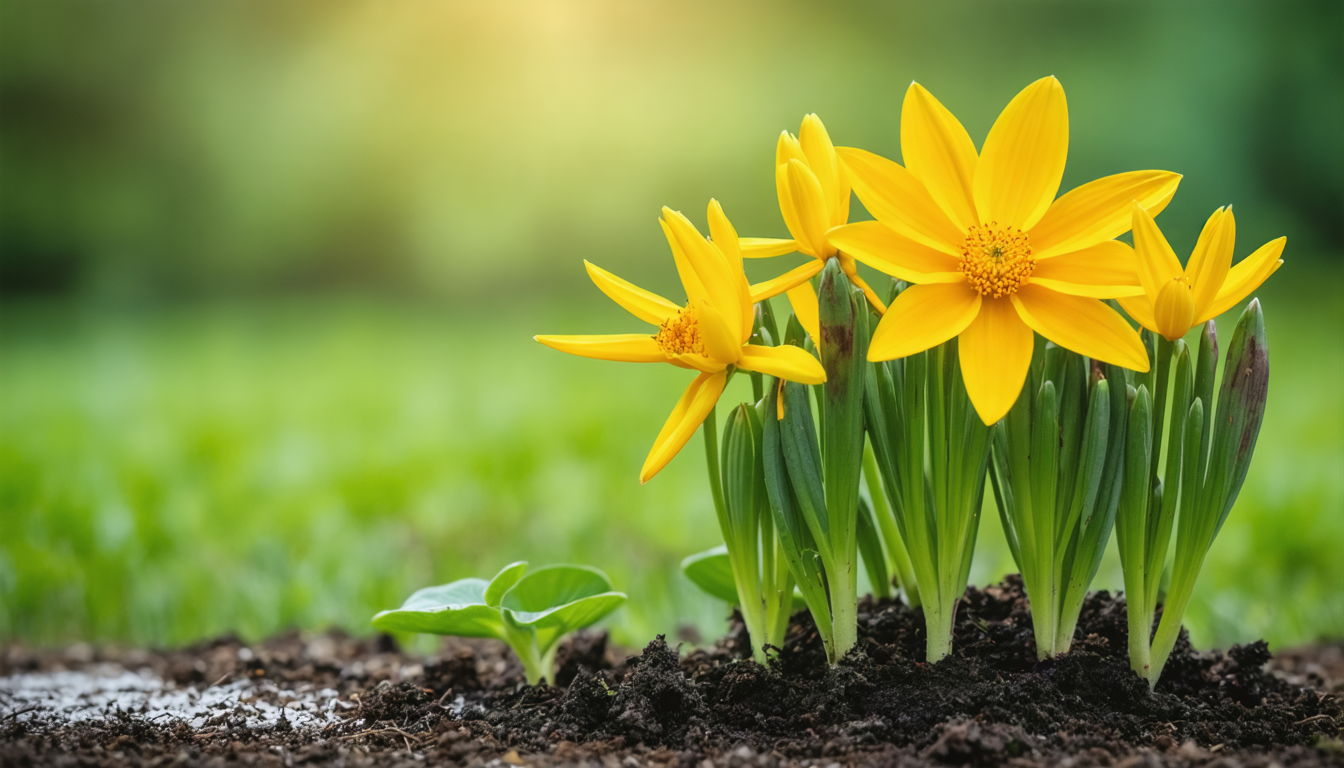
November is prime planting time for garlic and spring-flowering bulbs. The cold winter period, known as vernalization, is essential for garlic to form large, robust bulbs next summer.
| Option | Pros | Cons |
|---|---|---|
| Grocery Store Garlic | Convenient, inexpensive | Often treated to prevent sprouting; may carry disease; not adapted to your local climate |
| Seed Garlic from a Nursery | Guaranteed to grow; disease-free; varieties suited for your region | Higher initial cost |
The Secret of “Overwintering” Seeds
Unique Insight: Many hardy annuals and vegetables can be sown directly into the garden in November. These seeds lie dormant through the winter and will germinate at the very first sign of spring, long before the soil is warm enough for spring planting. This technique gives you a harvest weeks ahead of schedule.
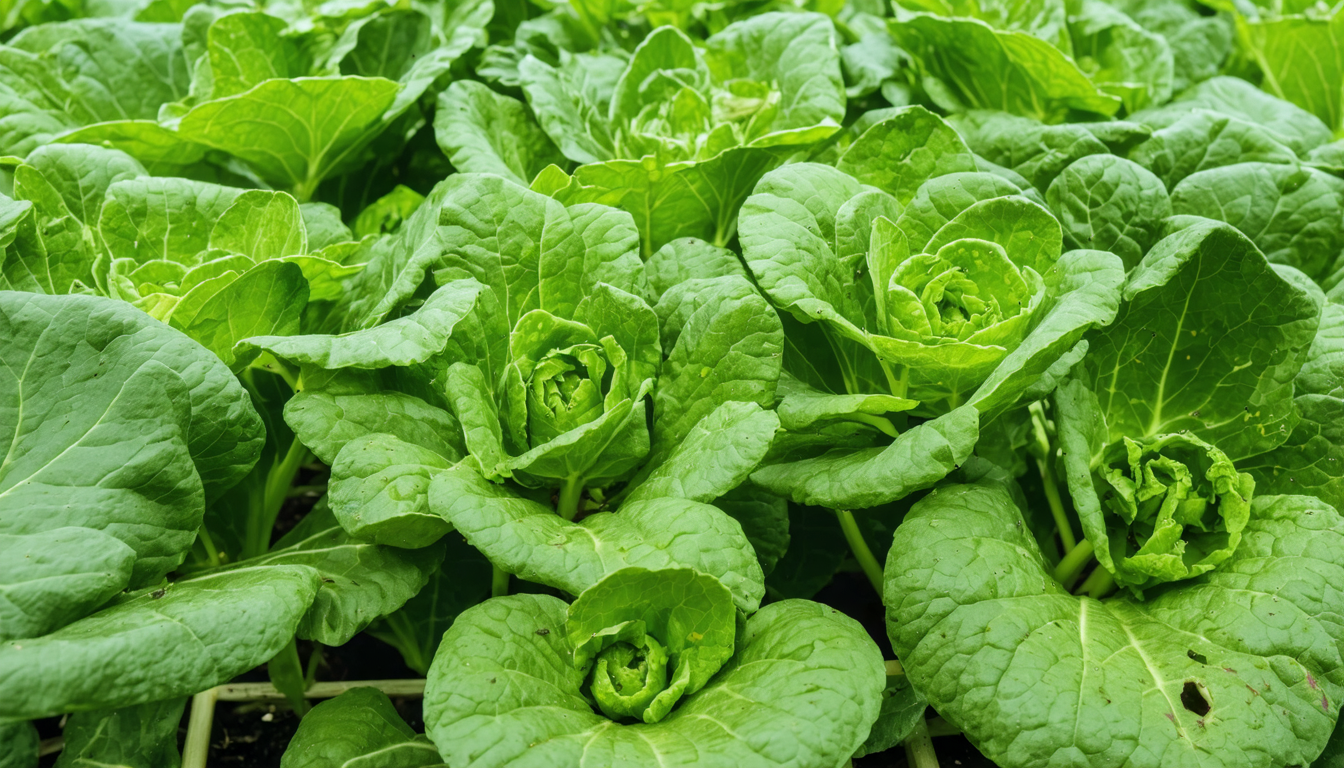
Examples to sow now: Spinach, kale, carrots, and poppies.
Tidy Up Now, Relax Later: Pest and Disease Prevention
Clean Up to Cut Down on Next Year’s Problems
Leaving old plant debris in the garden provides a cozy winter home for fungal spores and insect eggs. By clearing away spent annuals and raking up fallen, diseased leaves (especially from under fruit trees and roses), you dramatically reduce the source of next year’s infestations and infections. Compost healthy material, but discard anything that was diseased.
Protect Your Tender Perennials and Shrubs
After the first hard frost, apply a thick layer of mulch (like straw, shredded leaves, or wood chips) around the base of tender perennials such as roses, berry bushes, and artichokes. This “blanket” insulates the roots, protecting them from damaging freeze-thaw cycles throughout the winter.
Tool and Infrastructure Care: A Smooth Start to Spring
Clean, Sharpen, and Oil Your Tools
Taking time now to maintain your tools prevents rust and ensures clean, healthy cuts on your plants next year. Scrub off dirt, sharpen blades with a file, and wipe metal surfaces with a light coat of oil.
Don’t Forget Your Compost Pile
Give your compost pile one final turn to incorporate oxygen. If it’s dry, give it a good watering. This allows the decomposition process to continue slowly throughout the winter, so you’ll have rich compost ready to use in the spring.
Frequently Asked Questions (FAQs)
Is it too late to plant anything in November?
Not at all! As long as the ground isn’t frozen solid, it’s the perfect time for garlic, spring-flowering bulbs, and many hardy seeds that require a cold period to germinate successfully.
Should I fertilize my garden in November?
Avoid high-nitrogen fertilizers that stimulate tender new growth, which will be killed by frost. Instead, focus on adding organic matter like compost, which feeds the soil ecosystem slowly and builds long-term fertility.
I didn’t get to my garden cleanup in October. Is it too late now?
November is absolutely better than never! Any cleanup you do now will still significantly reduce pest and disease pressure for the following summer. Every bit of effort helps create a healthier garden.
What is the single most important task from these essential November gardening tips?
While all are beneficial, amending your soil with compost is the number one task. Healthy, living soil is the non-negotiable foundation for a bountiful summer harvest. It improves soil structure, provides nutrients, and supports beneficial microbes.