Essential Winter Gardening Tips for a Thriving December Garden
Protecting Your Plants from the Deep Chill
December’s frosts can be devastating, but proper protection makes all the difference. The key is to insulate your plants’ root systems and shield them from harsh winds. Applying a thick layer of mulch (3-4 inches) with materials like straw or shredded leaves is your first line of defense. For tender plants, cloches and row covers create a protective microclimate. A crucial, often overlooked step is deep watering your plants a day or two before a predicted hard freeze. Well-hydrated soil retains heat more effectively than dry soil, providing vital warmth to the roots.
Strategic Seasonal Planting for December
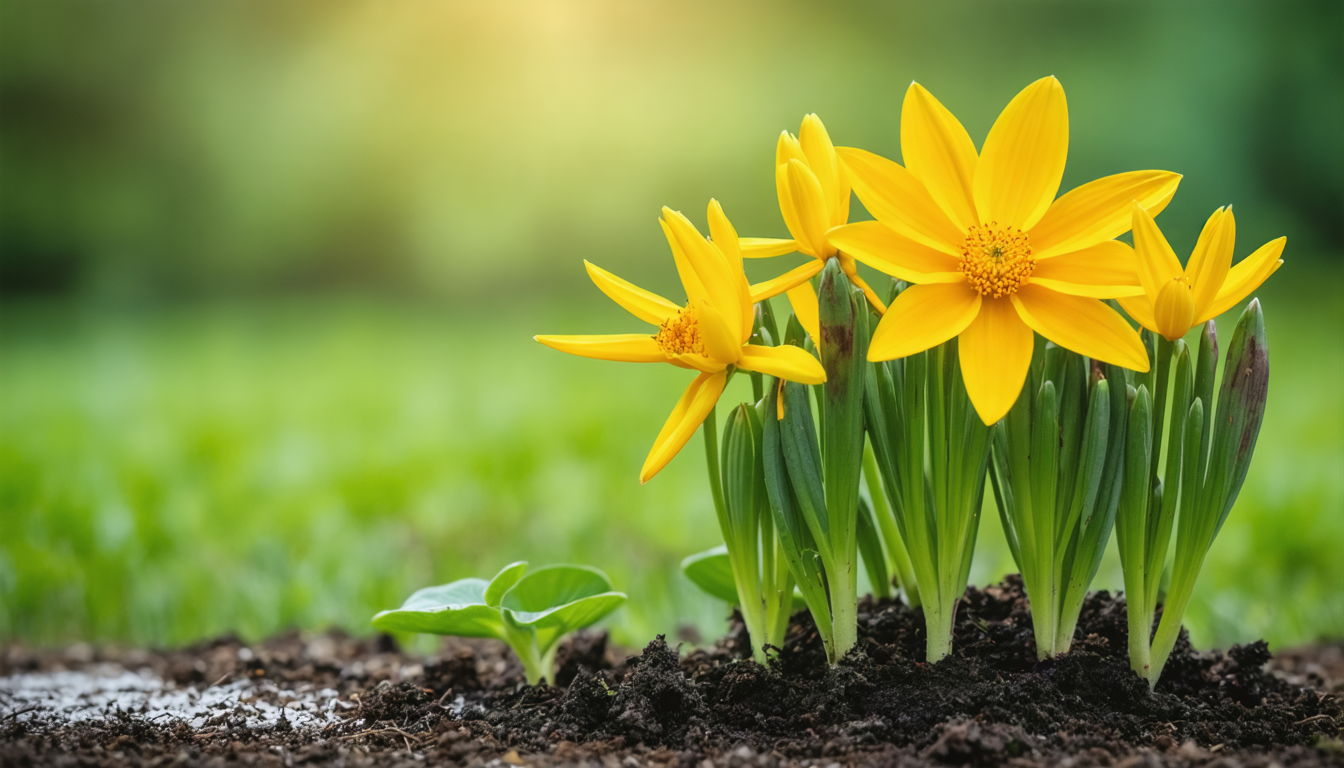
While growth slows, planting is far from over. December is the prime time for planting bare-root specimens like roses, fruit trees, and berry bushes. These plants are dormant, suffer less transplant shock, and are typically more affordable than their potted counterparts. For the vegetable patch, it’s the perfect window to plant garlic cloves, which require a period of cold vernalization to form robust bulbs. Indoors, you can force amaryllis and paperwhite bulbs for a spectacular display of blooms in the heart of winter.
| Zone Range | Recommended Plants & Tasks |
|---|---|
| Zones 3-5 | Focus on garden protection, planning, and indoor seed starting. Plant garlic if the ground isn’t frozen solid. |
| Zones 6-7 | Plant bare-root trees, shrubs, and garlic. Sow cover crops. Use cold frames for hardy greens like spinach and kale. |
| Zones 8-10 | Direct sow cool-season crops (beets, carrots, radishes). Plant strawberries and deciduous fruit trees. |
Garden Maintenance and Clean-Up with a Purpose
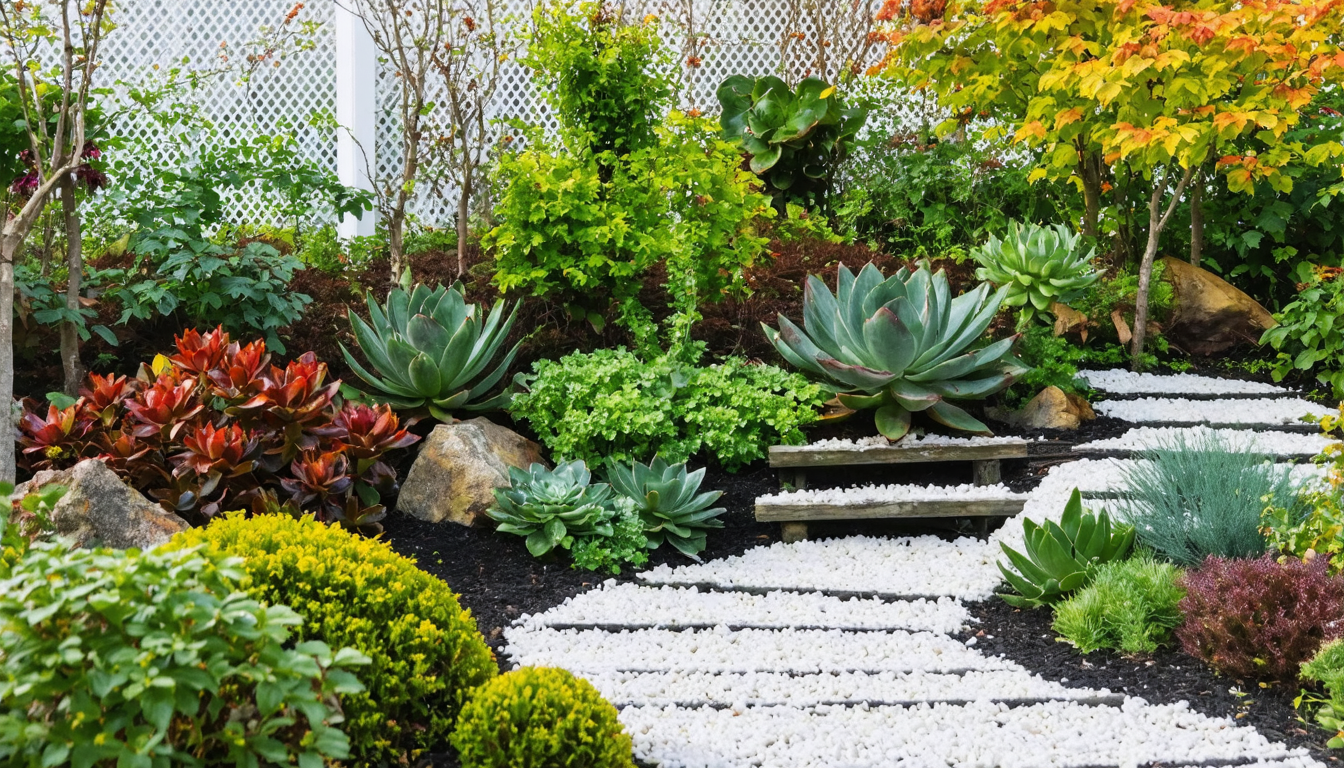
Resist the urge for a perfectly tidy garden. A “messy” garden is a sustainable one. Leaving spent flower stalks, fallen leaves, and some plant debris provides essential overwintering habitats for pollinators like native bees and beneficial insects. This is also the ideal time for tool maintenance—cleaning, sharpening, and oiling your tools ensures they are ready for spring. Use this quieter period to plan your spring garden and order seeds early for the best selection.
Top Gardening Trends for December 2024: A Focus on Sustainability
“No-Dig” Gardening Gains Momentum
The no-dig, or no-till, method is revolutionizing soil care. Instead of turning the soil, you add a layer of compost on top each season. This protects the complex ecosystem of fungi, bacteria, and worms in the soil, leading to better structure, improved water retention, and fewer weeds. In winter, a no-dig bed is more resilient to compaction from rain and snow, keeping your soil life safe and active.
Upcycled and DIY Garden Solutions
Sustainability meets creativity with the trend of upcycling. Transform clear plastic bottles into individual cloches for seedlings, or use old windows to construct a simple cold frame. You can create unique and personal garden markers from broken terracotta pots, wooden spoons, or wine corks, reducing waste and adding charm to your winter garden.
Supporting Local Ecology and Biodiversity
Gardeners are increasingly viewing their plots as sanctuaries for local wildlife. The trend of “leaving the leaves” is a prime example, creating a natural mulch that shelters butterflies, beetles, and other beneficial insects. Planting native shrubs like winterberry holly or chokeberry provides a critical food source for birds, while a shallow birdbath with fresh water can be a lifesaver when other sources are frozen.
The Secret to a Productive Winter: The Power of Winter Composting
Many gardeners assume compost piles go completely dormant in the cold, but that’s a myth. While decomposition slows, a well-built compost pile can remain active, generating its own heat. The secret is size and insulation. A larger pile (at least 3x3x3 feet) retains heat better. Insulate your pile with a layer of straw or an old carpet on top. This slower, cold-weather composting process is excellent for breaking down tougher materials like woody stems, resulting in a uniquely rich and chunky compost perfect for spring soil amendment.
Sustainable Gardening vs. Traditional Winter Gardening: A Quick Comparison
| Aspect | Traditional Approach | Sustainable Approach |
|---|---|---|
| Garden Cleanup | Thorough removal of all plant debris for a “tidy” look. | Leaves stems and litter to provide habitat for overwintering insects. |
| Soil Fertility | Relies on synthetic, quick-release fertilizers applied in spring. | Uses compost, mulch, and cover crops to build long-term soil health. |
| Plant Selection | Focuses on ornamental plants, often non-native. | Integrates native plants and edibles to support local ecosystems. |
| Pest Control | Reactive use of pesticides. | Proactive by encouraging a balanced ecosystem with beneficial insects. |
Frequently Asked Questions (FAQs) About December Winter Gardening
Is it too late to plant anything in December?
Not at all! While your options are different from spring, December is perfect for planting bare-root trees and shrubs, as well as garlic. In milder climates, you can still sow seeds for cold-hardy vegetables like kale and spinach under cover.
How can I practice sustainable gardening on a budget?
Sustainable gardening is inherently cost-effective. Start a compost bin with kitchen scraps, save seeds from your best plants, and use fallen leaves as free mulch. Upcycling household items for planters and tools also saves money and reduces waste.
What is the single most important task for my garden in December?
Protecting your soil. Whether it’s through mulching to prevent erosion, planting a cover crop, or simply avoiding compaction by not walking on wet soil beds, a healthy soil ecosystem is the foundation for a successful garden next year.
I only have a small balcony or patio. Can I still participate in winter gardening?
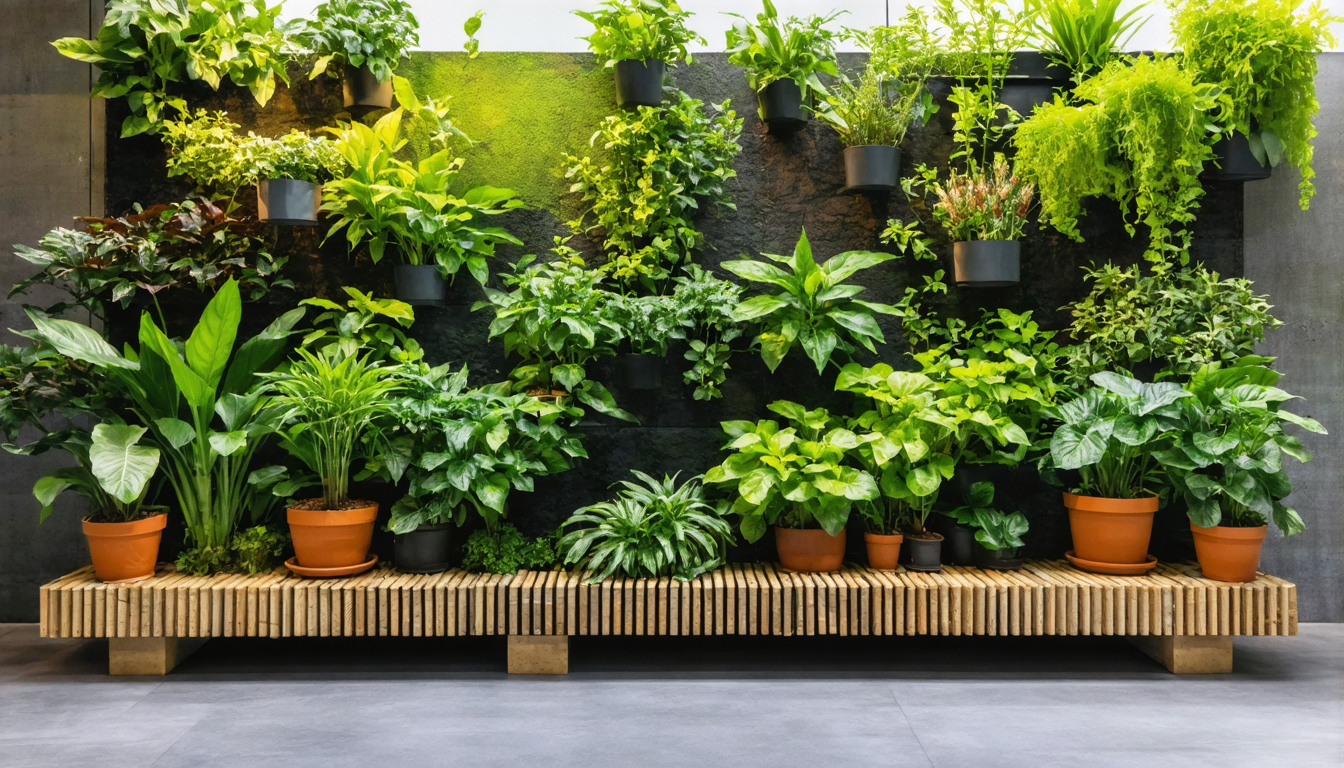
Absolutely! Container gardening is a fantastic solution. Grow winter herbs on a sunny windowsill, plant kale or lettuce in pots, or force bulbs in decorative containers. Even a small water source and a potted native plant can help support local wildlife.