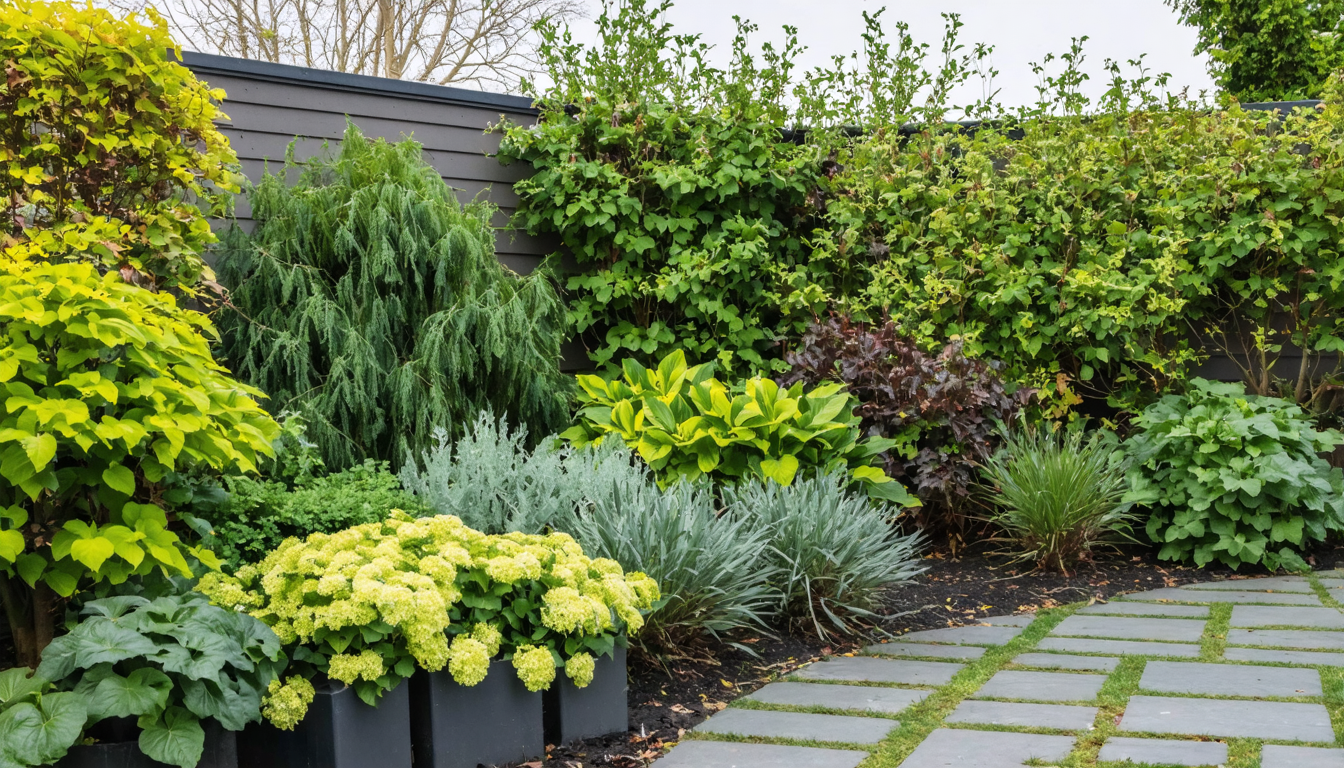
Why Your Garden Doesn’t Have to Hibernate: The Goal of a Vibrant Winter Garden
The Winter Gardener’s Common Struggles (And How to Solve Them)
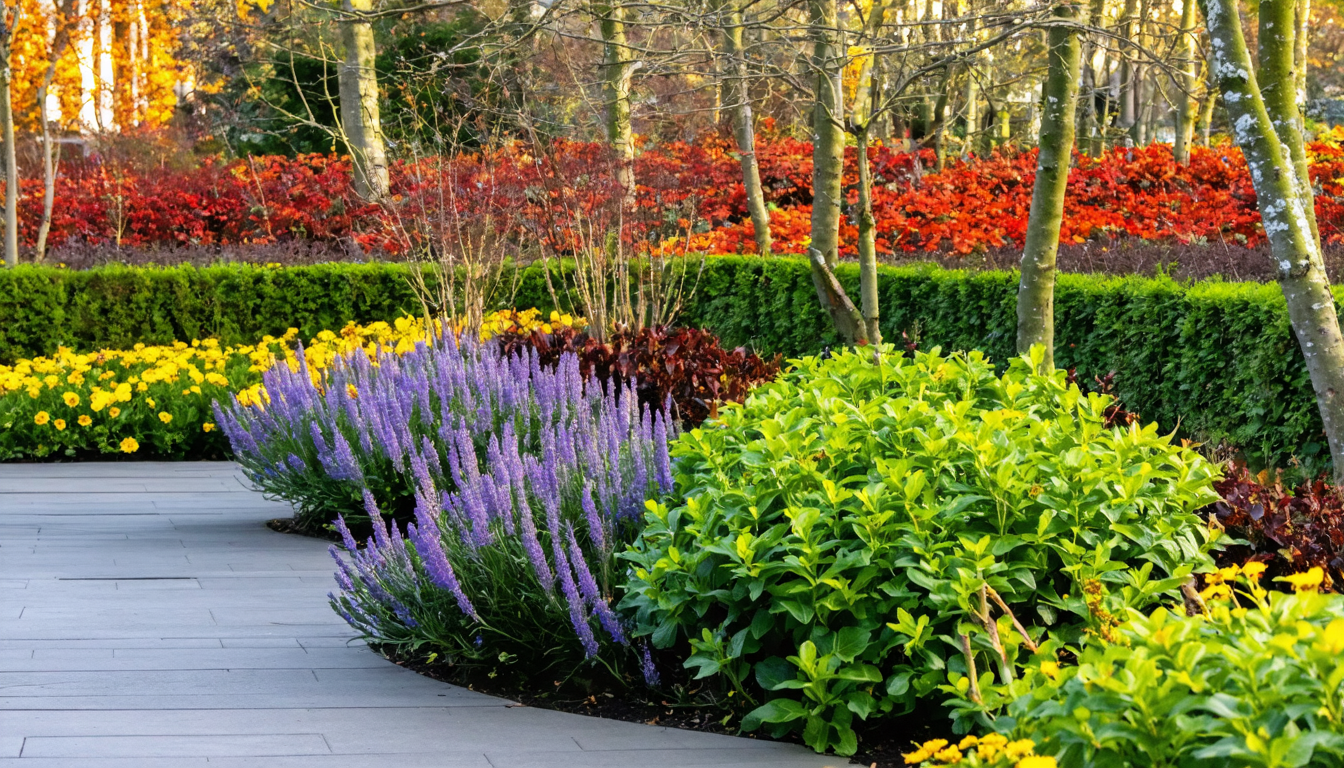
- Dull, Barren Landscapes: Combat this by strategically planting for winter interest with colorful stems, berries, and evergreen foliage.
- Frost Damage: Protect delicate plants with proper mulching and the use of frost cloths or burlap screens.
- Soil Compaction and Waterlogging: Avoid walking on frozen or soggy soil beds. Improve drainage in the fall by adding organic matter.
- Wildlife Pressures: Use physical barriers like netting or choose plants that are naturally resistant to deer and rabbits.
The Surprising Benefits of Winter Gardening
Winter gardening isn’t just about maintenance; it’s an opportunity. It extends the joy of your outdoor space, provides critical food and shelter for birds and beneficial insects, and gives you a significant head start for a healthier, more robust garden in the spring.
Building the Foundation: Essential Seasonal Care
The Pre-Winter Cleanup: What to Cut and What to Keep
Contrary to a full “clean sweep,” leaving some seed heads and dead foliage is a strategic choice. These provide food for birds and offer hibernation spots for beneficial insects like ladybugs.
The Ultimate Mulching Guide: Your Plant’s Winter Blanket
Mulch acts as an insulating layer, protecting plant roots from freeze-thaw cycles. Here’s a quick comparison of popular options:
| Mulch Type | Best For | Pros | Cons |
|---|---|---|---|
| Shredded Bark | Tree & shrub beds | Long-lasting, neat appearance | Can be more expensive |
| Straw | Vegetable gardens, tender perennials | Excellent insulation, lightweight | Can contain weed seeds |
| Compost/Leaf Mold | All garden beds | Improves soil fertility as it breaks down | Less effective as a long-term insulator |
Application Tip: Apply a 2-4 inch layer around plants, but keep it a few inches away from stems and trunks to prevent rot.
Hydration in the Cold: The Overlooked Need for Winter Watering
Many plants suffer from “winter drought,” especially evergreens. When the ground is frozen, roots cannot replace moisture lost to winter winds. A deep, thorough watering for your trees, shrubs, and perennials in late autumn, before the ground freezes, is one of the most critical steps for their survival.
Plant Selection: The Stars of Your Winter Display
Evergreens with Flair: Beyond the Basic Green
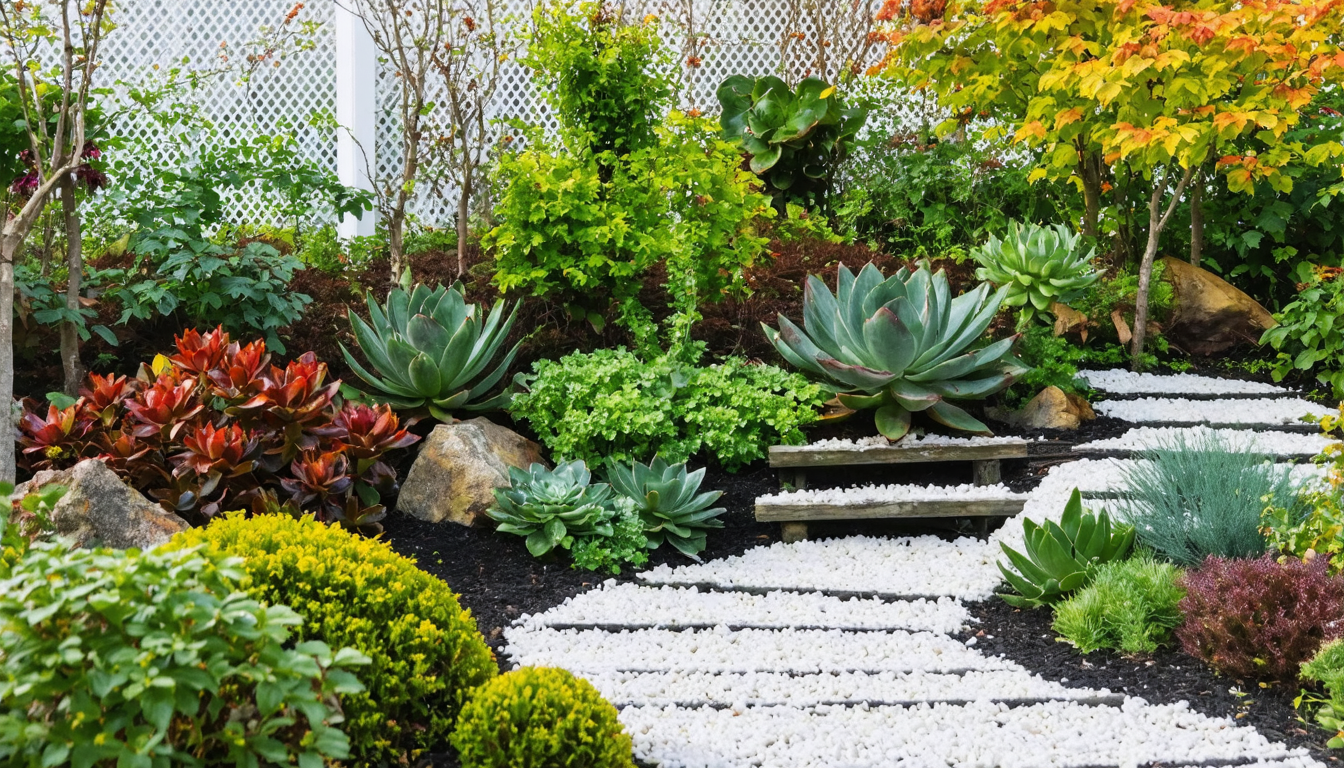
Incorporate conifers and broadleaf evergreens with unique colors like the blue tones of a Colorado Blue Spruce or the golden hues of a ‘Sunshine’ Ligustrum.
Berries and Bark: Nature’s Winter Decor
- For Berries: Winterberry Holly, Cotoneaster, and Beautyberry.
- For Bark: The fiery red stems of Red Twig Dogwood or the exfoliating cinnamon-colored bark of a Paperbark Maple.
Brave Bloomers: Flowers That Defy the Frost
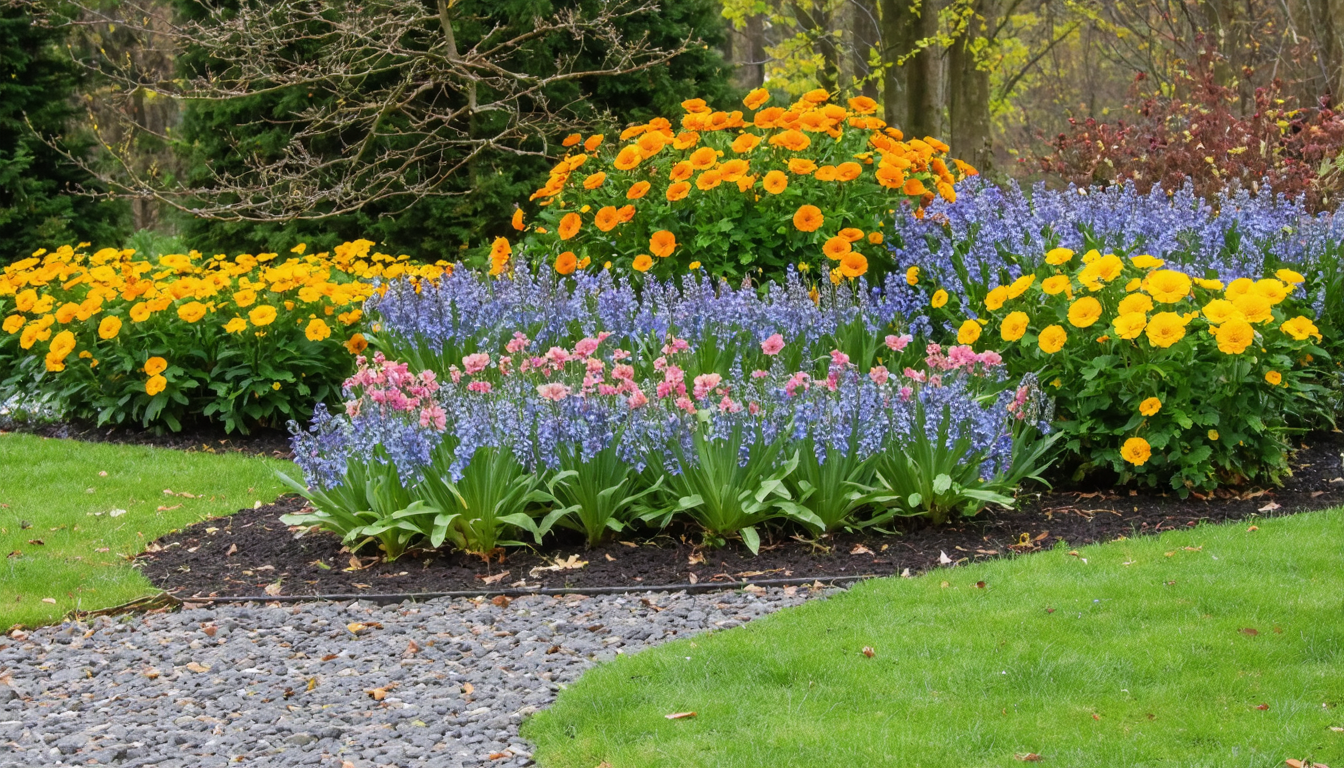
Don’t forget flowers! Hellebores (Lenten Rose), Witch Hazel, and resilient Winter Pansies can provide stunning pops of color even on the coldest days.
Proactive Protection: Shielding Your Plants from the Elements
Frost Cloth vs. Burlap: A Head-to-Head Comparison
| Material | Best Use Case | Key Feature |
|---|---|---|
| Frost Cloth (Row Cover) | Protecting from hard frosts; allowing light and water through | Lightweight, can be laid directly on plants |
| Burlap | Shielding from harsh, drying winds and heavy snow | Breathable, best used as a screen or wrap (not directly touching foliage) |
The Container Garden Conundrum: Special Care for Potted Plants
Potted plants are far more vulnerable to freezing than those in the ground. Insulate pots by grouping them together and wrapping them in bubble wrap, burlap, or placing them inside a larger container. Moving them to a sheltered spot, like against a house wall, can also make a significant difference.
The “Thermal Mass” Trick: A Gardener’s Secret Weapon
Here’s a unique tip many gardeners overlook: place a few large, dark-colored stones or jugs of water near your more tender plants. These objects absorb solar heat during the day and release it slowly throughout the night, creating a slightly warmer microclimate that can protect plants from a light frost.
Vibrant Winter Gardens FAQ: Your Top Questions Answered
Is it okay to water my plants when the ground is frozen?
Generally, no. Water cannot penetrate frozen soil and may instead ice over the plant’s crown, causing rot or other damage. The best practice is to water deeply in the late fall and then only during a thaw if the soil is dry an inch or two below the surface.
Should I knock snow off my tree and shrub branches?
For most sturdy plants, it’s best to leave the snow as it provides a layer of insulation. However, for multi-stemmed evergreens like arborvitae or boxwood, gently brushing off heavy, wet snow with a broom can prevent branches from permanently bending or breaking under the weight.
When is the best time to prune plants in the winter?
Late winter is ideal for many deciduous trees and shrubs because the plant is fully dormant and its branch structure is clearly visible. A key exception is spring-blooming shrubs like lilacs and forsythia; wait to prune these until just after they have finished flowering to avoid cutting off that season’s buds.
Can I plant anything during the winter months?
Yes, you can! In many climates, the dormant season is the perfect time to plant bare-root trees, shrubs, and roses. As long as the ground isn’t frozen solid, these plants can be installed. They will use the winter to establish roots, giving them a vigorous head start for spring growth.
Conclusion: Enjoying the Quiet Beauty
Creating a vibrant winter garden is an immensely rewarding endeavor. It transforms the quietest season into a time of subtle beauty and texture. With the right planning, plant selection, and seasonal care, your garden can become a dynamic and captivating landscape all year round.