Introduction: Why 2024 is a Pivotal Year for Gardeners
Gardening is rapidly evolving from a simple pastime into a conscious lifestyle choice that reflects our values. In 2024, this transformation is more pronounced than ever, driven by a dual focus on planetary health and personal well-being. This year’s trends are not just about what’s beautiful; they’re about what’s beneficial for the earth and our mental space, making gardening a powerful tool for positive change.
The Rise of Sustainable & Regenerative Gardening
Many gardeners want to reduce their environmental footprint but feel overwhelmed by where to begin. This section breaks down actionable, impactful practices.
Beyond Organic: What is Regenerative Gardening?
Regenerative gardening goes a step beyond organic practices. While organic gardening avoids synthetic chemicals, regenerative gardening focuses on actively improving and revitalizing the soil ecosystem. The core principle is to leave the land healthier than you found it.
Something Unique: A little-known but highly effective technique is “chop and drop” mulching. Instead of bagging up garden waste like spent plants and pruned leaves, you chop them into smaller pieces and simply leave them on the soil surface. This mimics the natural nutrient cycle of a forest floor, creating a self-fertilizing layer that suppresses weeds, retains moisture, and feeds the soil food web.
Water-Wise Gardening is No Longer Optional
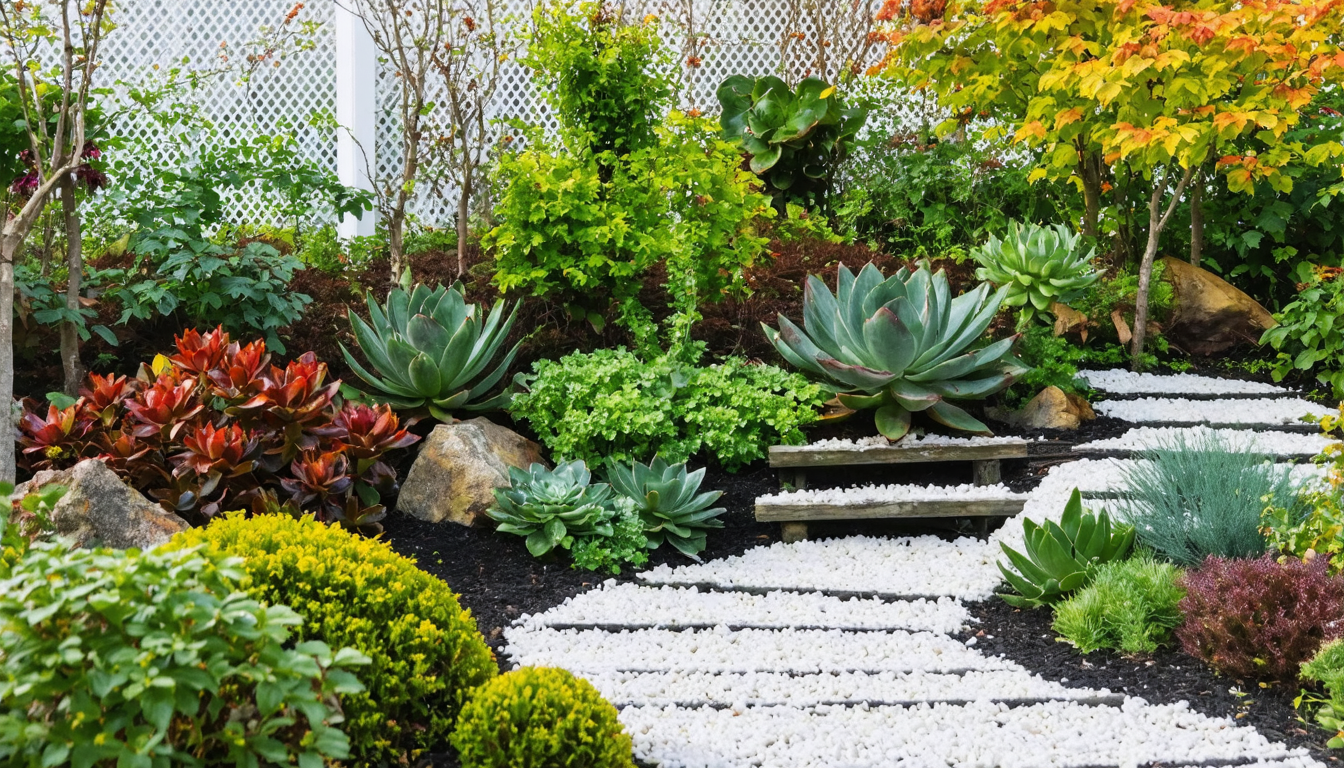
With shifting climate patterns, conserving water has moved from a niche practice to a mainstream necessity. Xeriscaping—landscaping that reduces or eliminates the need for irrigation—is at the forefront. This involves using native, drought-resistant plants that are adapted to local conditions.
Technology is also playing a key role. Beyond simple rain barrels, stylish rain chains direct water from downspouts to barrels or infiltration basins. For a high-tech solution, Wi-Fi-enabled smart irrigation controllers can now sync with hyper-local weather forecasts to automatically adjust watering schedules, preventing unnecessary watering before or after a rain.
The “No-Dig” Revolution Gains Momentum
The no-dig method, championed by experts like Charles Dowding, is gaining widespread popularity for its simplicity and profound benefits. By avoiding tilling, you protect the complex soil structure, foster beneficial fungal networks (mycorrhizae), enhance carbon sequestration, and significantly reduce weed germination.
Starting a no-dig bed is simple: lay cardboard over grass or weeds to smother them, then add a thick layer (4-6 inches) of well-rotted compost on top. You can plant directly into this compost layer.
The Indoor Oasis: Biophilic Design Meets Houseplants
For urbanites and those with limited outdoor space, creating a green sanctuary indoors is a top priority. This trend merges the human desire to connect with nature (biophilia) with interior design.
Beyond the Monstera: Rare and Unusual Houseplants
The trend is moving beyond common houseplants to collecting unique and rare specimens. Plant enthusiasts are seeking out variegated varieties like the Philodendron Pink Princess or intricate species like the Hoya Kerrii.
Something Unique: The plant collector community is being served by specialized “rare plant subscription boxes.” These services deliver a new, often hard-to-find, collector-grade plant to your door each month, complete with care guides, making the world of rare plants more accessible than ever.
Tech-Enabled Plant Parenthood
Keeping plants thriving is easier with new technology. Self-watering pots now come with soil moisture sensors that connect to your phone. Full-spectrum LED grow lights have been redesigned to be aesthetically pleasing, doubling as modern desk or floor lamps. Furthermore, AI-powered plant care apps can now diagnose pests, diseases, and nutrient deficiencies simply by analyzing a photo of your plant’s leaf.
Living Walls & Vertical Gardens for Small Spaces
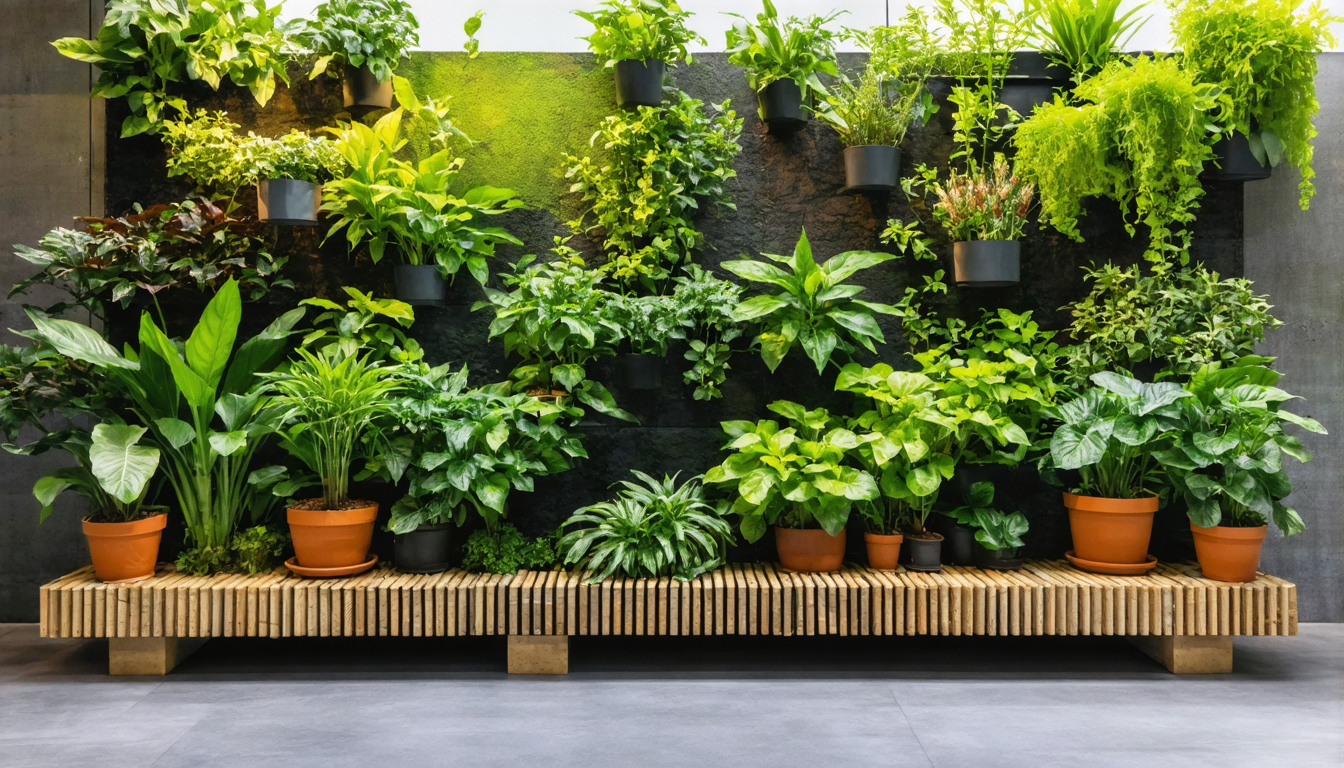
Maximizing vertical space is the key to creating an indoor jungle in a small apartment. Modular living wall systems, often with built-in irrigation, make it easy to create a stunning botanical display. For a DIY approach, even a repurposed wooden pallet can be transformed into a rustic vertical planter for succulents or herbs.
Key Gardening Events and Shows to Circle on Your 2024 Calendar
Engaging with the gardening community is a fantastic way to find inspiration and stay current. Here are the events setting the trends for the year.
Must-Attend International Events
- Chelsea Flower Show (UK, May): The world’s most famous flower show is a global trendsetter. Watch for show gardens that highlight peat-free planting, wildlife corridors, and climate-resilient designs.
- Philadelphia Flower Show (USA, March): A leader in showcasing the beauty and ecological importance of native plants and sustainable landscaping practices.
Virtual and Local Events for Every Gardener
You don’t need a passport to participate. Local seed swaps, native plant society sales, and workshops hosted by university extension master gardeners are invaluable resources. Furthermore, most major international shows now offer extensive virtual tours and online seminars, making world-class gardening inspiration accessible to everyone, everywhere.
Head-to-Head: Comparing Popular 2024 Gardening Approaches
Not sure which path is right for you? This quick comparison can help you decide.
Regenerative Gardening vs. Traditional Gardening
| Aspect | Regenerative Gardening | Traditional Gardening |
|---|---|---|
| Primary Focus | Building soil life and ecosystem health | Maximizing plant yield and aesthetics |
| Key Inputs | Compost, mulch, organic matter | Synthetic fertilizers, pesticides |
| Long-Term Impact | Improves soil fertility and sequesters carbon | Can lead to soil degradation over time |
High-Tech Indoor Gardening vs. Low-Maintenance Indoor Gardening
| Aspect | High-Tech Approach | Low-Maintenance Approach |
|---|---|---|
| Cost | Higher initial investment | Very low initial cost |
| Time Commitment | Setup is involved, but maintenance can be automated | Minimal time required |
| Ideal Plant Types | Rare tropicals, finicky flowering plants | Snake plants, pothos, ZZ plants, succulents |
Frequently Asked Questions About 2024 Gardening Trends
I live in an apartment with little light. Can I still participate in the indoor greenery trend?
Absolutely! Low-light champions like the Zamioculcas (ZZ Plant) and Sansevieria (Snake Plant) are perfect for dim corners. For more variety, modern, low-energy, full-spectrum LED grow lights are slim, quiet, and efficient enough to turn any bookshelf into a suitable environment for a wider range of plants.
Is regenerative gardening more expensive to start?
It can be cheaper in the long run. While you might have an initial cost for materials like compost or wood chip mulch, you will save significant money over time by eliminating the need for synthetic fertilizers, pesticides, and bagged soil. You are building a self-sustaining system that generates its own fertility.
What is the one “must-try” trend for a beginner gardener in 2024?
Start a small, no-dig container garden for herbs or salad greens. This approach combines the sustainability of no-dig methods with the manageable scale of container gardening. You’ll get quick, rewarding results with minimal space and effort, making it the perfect entry point.
Conclusion: Cultivating a Greener Future, One Trend at a Time
The gardening trends of 2024 are a powerful reflection of a collective desire to live more harmoniously with our environment. Whether you’re regenerating soil in a backyard plot or nurturing a rare plant on a windowsill, each action contributes to a larger movement. The future of gardening is thoughtful, accessible, and deeply connected. Pick one trend that excites you and get planting!