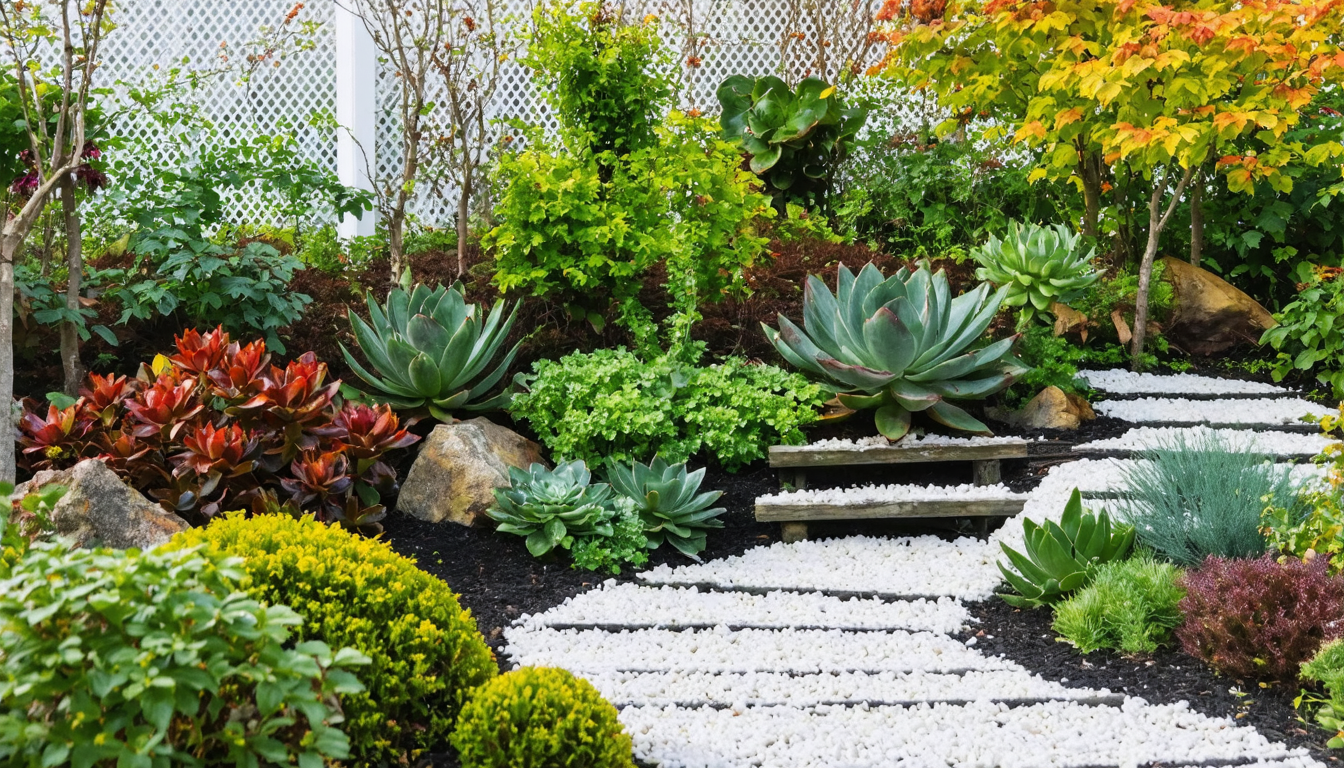
Introduction: Why Your Garden Doesn’t Have to Sleep This Winter
As the last autumn leaves fall, many gardeners traditionally hang up their trowels, resigning themselves to months of barren soil and frozen landscapes. But winter 2024 is different. Modern techniques, innovative tools, and a shift in perspective have transformed the cold months from a period of dormancy into a prime opportunity for cultivation. This guide will provide you with the actionable Winter Gardening Tips and Trends for a Thriving 2024 Garden, proving that your green thumb can be active year-round.
Overcoming Common Winter Gardening Challenges
Every season has its hurdles, and winter is no exception. The key to success lies not in fighting the cold, but in working with it intelligently.
Battling the Frost: Protection Beyond the Old Blanket
The fear of a hard frost wiping out your plants overnight is a primary concern. While an old blanket might be a go-to, it can trap moisture and become heavy, potentially causing more harm than good. Modern solutions are far more effective:
- Frost Cloths (Row Covers): These lightweight, permeable fabrics allow light and water to reach plants while providing several degrees of frost protection.
- Cold Frames: A simple, bottomless box with a transparent lid acts as a miniature greenhouse, trapping solar heat.
- Microclimates: Utilize your garden’s geography. A south-facing wall, for instance, absorbs heat during the day and radiates it at night, creating a warmer pocket for plants.
The Low-Light Struggle: Maximizing Minimal Sunlight
Short, gloomy days can lead to weak, “leggy” plants desperately reaching for light. Combat this by:
- Strategic Placement: Use mobile containers to move plants to follow the winter sun’s path.
- Reflective Surfaces: Place white-painted boards or aluminum foil on the north side of plants to bounce available light back onto them.
- Plant Selection: Opt for varieties known for their shade and cold tolerance, such as certain Asian greens and Claytonia.
Soggy Soil and Root Rot: Ensuring Proper Drainage
Winter rains can waterlog soil, creating an anaerobic environment that suffocates plant roots. Prevention is crucial:
- Raised Beds: These are the ultimate defense, ensuring excess water drains away quickly.
- Soil Amendment: Mixing grit, horticultural sand, or compost into heavy clay soil improves its structure and drainage capacity.
- Surface Drainage: Create shallow ditches or channels on a slope to direct water away from planting areas.
2024’s Top Winter Gardening Trends to Embrace
This year, gardening is smarter, more efficient, and more beautiful than ever, even in the cold.
Tech in the Cold: Smart Gardening Goes Year-Round
Technology isn’t just for summer. Embrace the digital age to protect your winter crops:
- Wi-Fi Soil Sensors: Place these in your garden beds or containers to receive real-time moisture data on your phone, eliminating the guesswork of winter watering.
- Automated Cold Frames: Solar-powered vent openers automatically regulate the temperature inside cold frames and mini-greenhouses, preventing overheating on unexpectedly sunny days.
The “Undercover” Garden: Low Tunnels & Mini Greenhouses
Creating a protected environment is a game-changer. The most accessible method is the low tunnel, or hoop house.
| Feature | Low Tunnel (Hoop House) | Full-Size Greenhouse |
|---|---|---|
| Cost | Low (DIY kits are very affordable) | High |
| Space & Footprint | Flexible, can cover single rows or small beds | Permanent, requires significant space |
| Commitment & Portability | Low; can be disassembled and moved seasonally | High; permanent structure |
Gourmet Greens & Colorful Stems: The Rise of Ornamental Edibles
Why should the flower garden have all the color? The trend for 2024 is growing vegetables that are as beautiful as they are tasty.
- ‘Red Veined’ Sorrel: Offers a stunning crimson-veined leaf with a sharp, lemony flavor.
- ‘Merveille des Quatre Saisons’ Lettuce: A classic French heirloom with beautiful reddish-bronze outer leaves.
- ‘Bright Lights’ Swiss Chard: Stems in a rainbow of yellows, pinks, and oranges that glow in the low winter light.
Unique Insight: Many winter vegetables, like kale and parsnips, actually become sweeter after a frost. This is a natural survival mechanism where the plant converts its starches into sugars, which act as a natural antifreeze to protect cells from ice crystal damage.
What to Plant Now: A Seasonal Comparison
Knowing what to plant and when is half the battle. Here’s a breakdown of reliable performers for the winter garden.
The Winter Workhorses: Reliable Crops for Reliable Harvests
These plants are the backbone of the winter garden, tolerating cold and providing a steady harvest.
| Crop | Type | Planting Time | Harvest Period |
|---|---|---|---|
| Kale | Leafy Green | Late Summer | Fall through Winter |
| Spinach | Quick-Grow Leafy Green | Late Summer / Early Fall | Late Fall through Early Winter |
| Garlic | Long-Season Bulb | Autumn | Next Summer |
| Broad Beans | Legume | Late Autumn | Late Spring |
Beyond the Vegetable Patch: Winter Flowers and Foliage
Don’t neglect aesthetics. These plants provide vital structure and color when most of the garden is bare.
- Hellebores (Christmas Rose): Blooms in the depths of winter with elegant, nodding flowers.
- Pansies & Violas: Surprisingly resilient, they provide cheerful pops of color.
- Ornamental Cabbages & Kales: Their vibrant, frilly centers look like giant, colorful flowers.
- Witch Hazel: A shrub with unique, spidery flowers that bloom on bare branches, often with a sweet fragrance.
Your Winter Gardening FAQs Answered
Can I really start seeds indoors in the dead of winter?
Absolutely! Mid to late winter is the perfect time to start seeds for slow-growing crops like peppers, tomatoes, and eggplants indoors. Using a simple setup with a grow light and a heat mat will give them a strong head start, ensuring robust plants ready to transplant after the last spring frost.
How often should I water my winter garden?
Much less frequently than in summer. Overwatering is the number one killer of plants in winter. The key is to check the soil moisture a few inches below the surface. Water only when it feels dry to the touch. Plants are largely dormant and not actively growing, so their water needs are minimal.
Is it worth composting in the winter?
Yes, but the process slows down significantly due to the cold. You can keep your compost active by insulating the pile with a thick layer of straw or fallen leaves. Continue adding kitchen scraps (fruit and vegetable peels, coffee grounds), and the microbial activity will persist, albeit slowly, ready to ramp up again in the spring.
Conclusion: Your Blueprint for a Vibrant Winter Garden
Winter gardening is no longer a niche hobby but an accessible and deeply rewarding pursuit. By applying these Winter Gardening Tips and Trends for a Thriving 2024 Garden, you can extend the growing season, enjoy fresh, homegrown produce, and find beauty in your outdoor space all year long. Don’t feel pressured to do everything at once. Start by choosing one new technique—perhaps setting up a low tunnel or planting some ornamental kale—and enjoy the process of connecting with your garden, even on the crispest winter day.