Your Personal Harvest: Mastering Greenhouse Gardening for Superior Plants
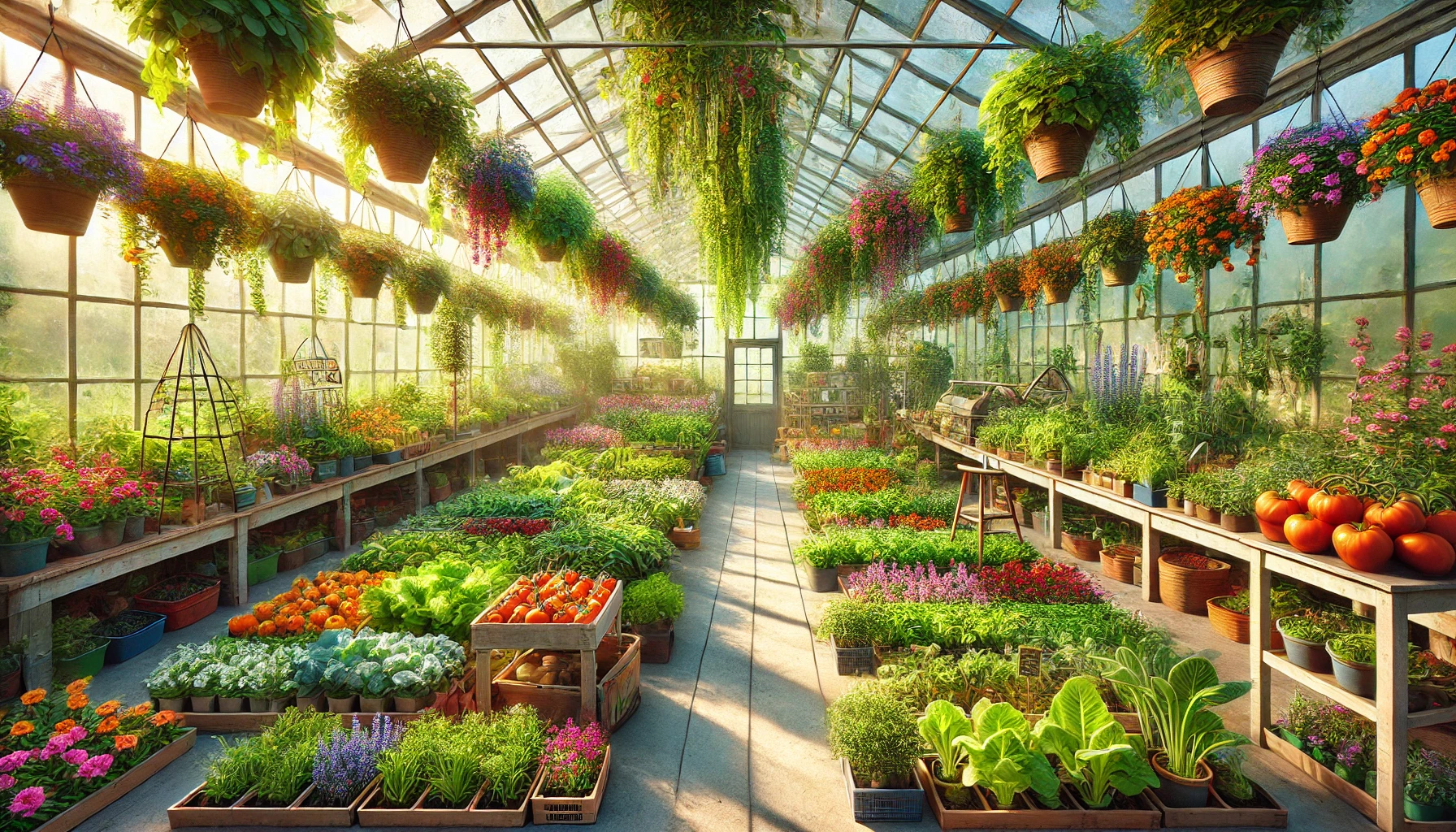
Imagine harvesting sun-ripened tomatoes in December or enjoying vibrant orchids year-round. A greenhouse turns this dream into reality by creating a protected microclimate. This structure empowers you to cultivate higher quality, more vibrant crops and flowers, no matter the weather outside. Mastering this controlled environment is the key to unlocking a superior, continuous harvest.
Choosing the Right Greenhouse Structure
The foundation of your success lies in selecting the right greenhouse. Your choice will affect light levels, temperature stability, and your overall gardening experience.
Location, Orientation, and Foundation
Maximize sun exposure by placing your greenhouse in a south-facing location. Protect it from strong winds and ensure easy access to water and electricity. A level, solid foundation is non-negotiable for stability and longevity.
Frame and Glazing Materials
The materials you choose define your greenhouse’s durability and efficiency.
| Material Type | Options | Key Characteristics |
|---|---|---|
| Frame | Aluminum, Wood, Steel | Aluminum is lightweight and low-maintenance. Wood offers a classic look and better insulation. Steel provides the greatest strength for larger structures. |
| Glazing | Glass, Polycarbonate, Polyethylene Film | Glass is traditional with excellent light clarity. Polycarbonate is durable, provides good insulation, and diffuses light to prevent leaf scorch. Polyethylene film is the most affordable option. |
Size and Style Considerations
Be realistic about your space and goals. A small lean-to greenhouse suits a side yard, while a freestanding model offers more flexibility. For the budget-conscious, a hoop house or polytunnel is an effective and affordable choice.
The Heart of the System: Climate and Environmental Control
A greenhouse is more than just walls and a roof. It is an active system where you manage the elements.
Temperature Management
Balance is everything. You will need a heating system, like an electric or gas heater, for cold nights. For hot days, automatic roof vents, side vents, or exhaust fans are essential to release built-up heat and prevent plants from cooking.
Humidity and Airflow
Stagnant, humid air invites fungal diseases. Ensure good air circulation with fans and proper ventilation. If you need to raise humidity for certain plants, you can place water barrels inside or dampen the floors.
Light Optimization
All glazing materials filter some natural light. For starting seeds in late winter or growing during dark months, supplemental grow lights are invaluable. Glazing that diffuses light helps it reach all parts of the plant more evenly.
Cultivation Practices for Superior Quality
With the environment under control, your focus shifts to the art and science of growing.
Soil and Growing Mediums
Whether in raised beds or containers, your plants need a well-draining, nutrient-rich soil. Many gardeners use soilless potting mixes to avoid disease. For the ultimate control over nutrients and water, consider a hydroponic system.
Efficient Watering and Feeding
Consistency is key. Drip irrigation or soaker hoses deliver water directly to the roots, reducing waste and preventing leaf diseases. Feed your plants with a fertilizer schedule tailored to their needs, such as a high-potassium formula for fruiting plants like tomatoes and peppers.
Plant Selection and Succession Planting
Your greenhouse allows you to grow plants that would struggle outdoors in your climate. Stagger your plantings every two to three weeks for a non-stop harvest. This method of succession planting is what makes a greenhouse so productive.
Protecting Your Plants: Pest and Disease Management
The protected environment that helps your plants thrive can also shelter pests and diseases. A proactive approach is your best defense.
Prevention is the Best Cure
Keep your greenhouse clean and free of weeds and plant debris. Always inspect and quarantine new plants before introducing them to your main growing area. Welcome beneficial insects like ladybugs and lacewings to handle pest control naturally.
Identification and Organic Intervention
Common issues include sap-sucking aphids and whiteflies, as well as fungal problems like powdery mildew. At the first sign of trouble, use organic solutions like insecticidal soap, neem oil, or horticultural oil, which are safe for plants and beneficial bugs.
A Year-Round Greenhouse Gardening Calendar
Your greenhouse has a job for every season.
| Season | Primary Tasks | What to Grow |
|---|---|---|
| Spring | Start seeds for tomatoes, peppers, and flowers. Transplant seedlings. | Seedlings of warm-season crops. |
| Summer | Maximize ventilation and use shade cloth. Harvest continuously and monitor for pests. | Tomatoes, cucumbers, peppers, basil. |
| Fall | Transition to cool-season crops. Bring in tender plants to overwinter. | Lettuce, spinach, kale, carrots. |
| Winter | Grow cold-hardy greens. Perform maintenance, clean surfaces, and plan for spring. | Spinach, mache, microgreens, overwintering herbs. |
Transforming Your Gardening Journey
A greenhouse transforms gardening from a seasonal hobby into a year-round passion. Success comes from understanding the delicate balance between structure, climate, and cultivation. The reward is the unparalleled joy of walking into your own personal paradise, filled with the scent of earth and the sight of thriving plants, ready for you to enjoy.