Why Your Balcony is the Perfect Place for a Garden
The Benefits Beyond Beauty
Transforming your balcony into a garden offers more than just aesthetic appeal. You can cultivate fresh, organic herbs and vegetables right outside your door, creating a personal oasis that enhances mental well-being. This green space also contributes to improved air quality and helps mitigate the urban heat island effect, all while maximizing your square footage with high-yield, space-efficient techniques.
Addressing Common Balcony Gardening Challenges
“I Have No Space!” – Vertical Gardening & Tiered Systems
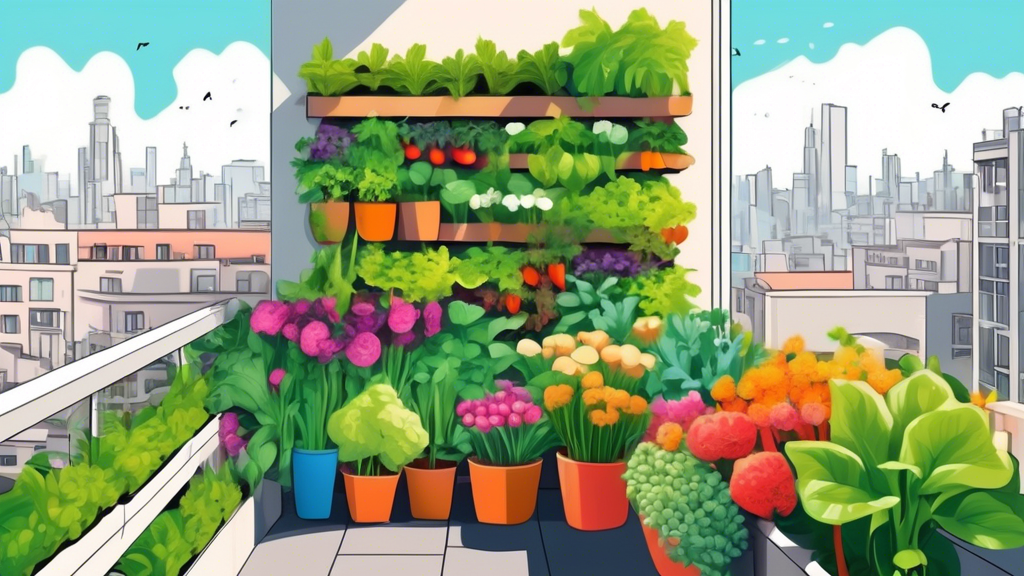
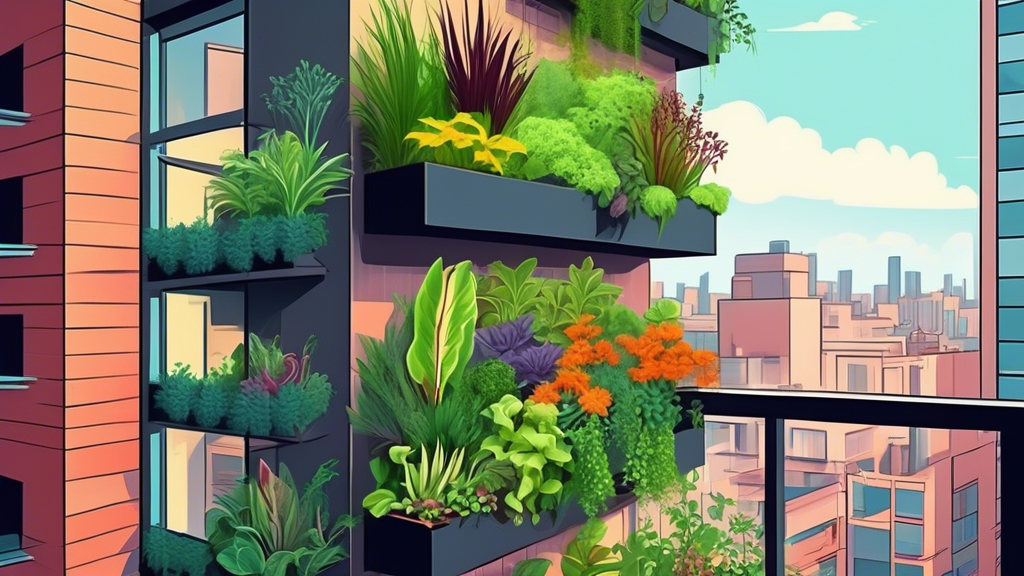
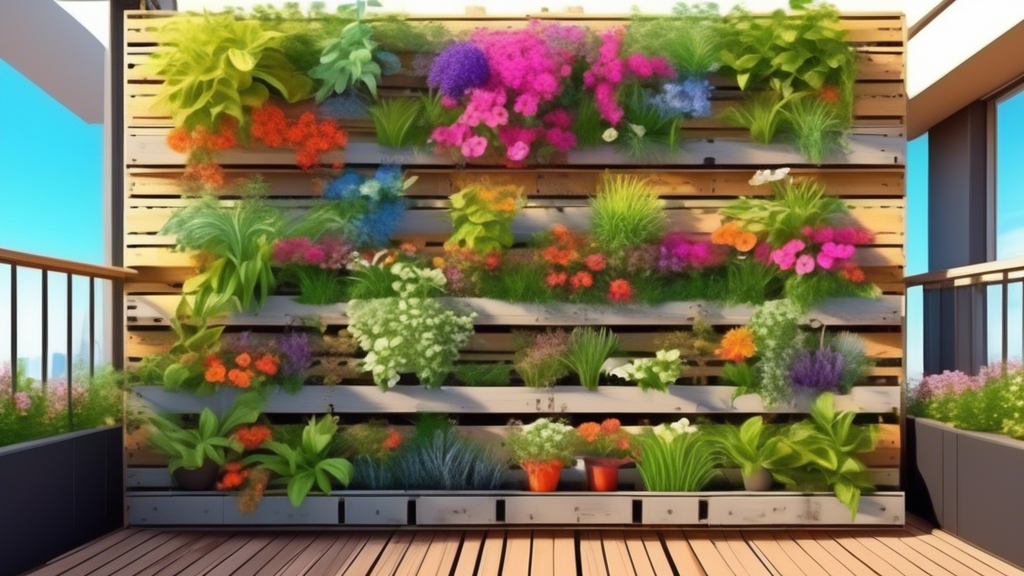
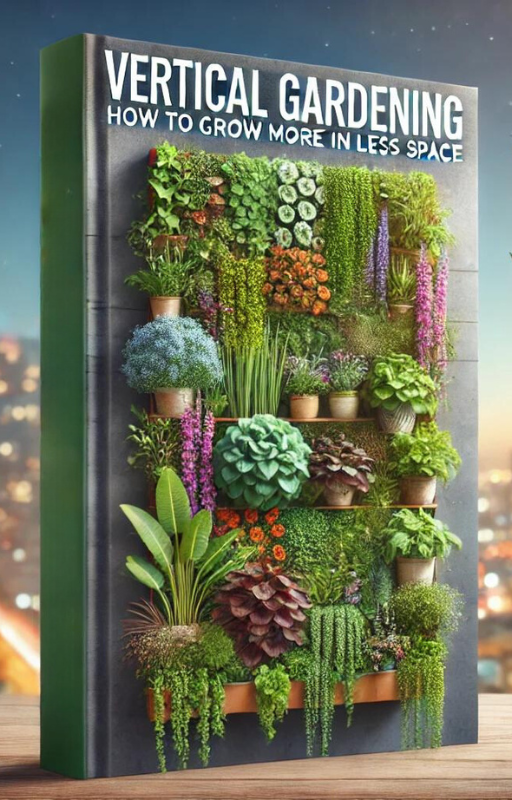
Lack of floor space is a common constraint, but your vertical space is an untapped resource. Utilize walls with pocket planters, trellises for climbing plants, and modular green walls. Hanging baskets and railing planters can effectively free up valuable floor area, turning blank walls into productive gardens.
“My Balcony Doesn’t Get Enough Sun” – Shade-Tolerant & Artificial Solutions
Not all balconies are drenched in sunlight. The good news is that many plants thrive in partial shade. For areas with limited light, consider using compact, energy-efficient full-spectrum LED grow lights to supplement natural sunlight and expand your planting options.
“I’m Worried About Weight and Leaks” – Lightweight & Contained Systems
Structural concerns are valid. Opt for lightweight soil mediums like coco coir or peat-based mixes instead of heavy topsoil. Self-watering pots with integrated reservoirs and drip trays not only reduce watering frequency but also protect your balcony surface from excess moisture and potential water damage.
“I Don’t Have a Green Thumb” – Foolproof, Low-Maintenance Options
Gardening can be intimidating for beginners. Start with resilient, easy-to-grow plants like cherry tomatoes, radishes, and basil. Technologies such as self-watering planters and sub-irrigated wicking beds automate much of the watering process, making plant care more forgiving and significantly increasing your chances of success.
Comparing Your Gardening System Options
Hydroponics vs. Soil-Based Gardening
| Feature | Hydroponics | Soil-Based |
|---|---|---|
| Growth Speed | Faster | Standard |
| Water Usage | More Efficient | Standard to High |
| Initial Cost & Skill | Higher cost, more technical knowledge required | Lower cost, beginner-friendly |
| Key Benefit | Precise nutrient control, space efficiency | Natural microbial ecosystem, traditional feel |
Modular Stacking Planters vs. Traditional Pots
| Aspect | Stacking/Tower Planters | Traditional Pots |
|---|---|---|
| Space Efficiency | Excellent for vertical space, high yield per footprint | Good, but requires more horizontal space |
| Ideal For | Strawberries, leafy greens, herbs | Wide variety, including deep-rooted plants |
| Flexibility | Fixed structure, less mobile once assembled | Highly versatile and easy to rearrange |
A Unique Approach: The “Balcony Food Forest” Layer
Mimicking Nature in a Miniature Ecosystem
Move beyond simple rows of pots by creating a layered “food forest” that functions as a self-sustaining miniature ecosystem. This approach, rarely applied to small spaces, involves stacking plants of different heights and root depths that support each other, much like a natural forest.
- The Canopy: A dwarf or columnar fruit tree in a large container (e.g., a columnar apple tree).
- The Understory: Fruit shrubs like blueberries or gooseberries.
- The Herbaceous Layer: Your primary vegetables and herbs like lettuce, kale, and cilantro.
- The Ground Cover: Low-growing plants such as creeping thyme or oregano to suppress weeds and retain soil moisture.
- The Root Layer: Shallow-rooted crops like radishes or carrots growing beneath other plants.
This diversity creates a more resilient system that can naturally deter pests and recycle nutrients, reducing the need for external inputs.
Frequently Asked Questions (FAQs) About Balcony Gardening
What are the best vegetables to grow on a sunny balcony?
Sun-loving plants like tomatoes, peppers, cucumbers, bush beans, and eggplants are ideal for a balcony that receives 6-8 hours of direct sunlight daily.
How can I garden on my balcony without annoying my neighbors or causing a mess?
Always use drip trays to catch excess water and prevent runoff. Secure lightweight pots and decor from strong winds, and be mindful of watering times and techniques to avoid splashing or dripping onto balconies below.
Is it expensive to start a balcony garden?
It can be very budget-friendly. You can begin with a few inexpensive pots, bagged potting mix, and seed packets. Upcycling containers is a great way to start before investing in more advanced systems.
Can I really grow enough food to make a difference?
Absolutely. A strategically planned balcony garden can provide a continuous harvest of herbs, salad greens, and snackable vegetables like cherry tomatoes throughout the growing season, noticeably reducing your grocery bills for these items.
Getting Started: Your First Steps to a Greener Balcony
Begin by assessing your specific conditions: track sunlight patterns, note wind exposure, and understand your balcony’s weight capacity. Start small with 2-3 of your favorite herbs or a single cherry tomato plant to build confidence. Choose one innovative solution that excites you, whether it’s a vertical planter or a self-watering pot. The most crucial step is simply to begin—you’ll learn invaluable lessons through the process of growing.