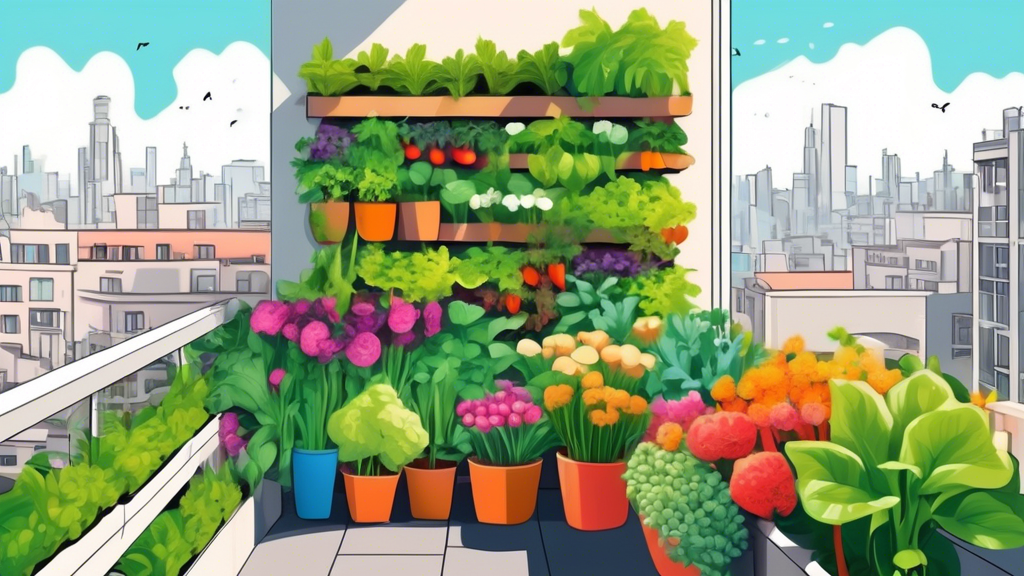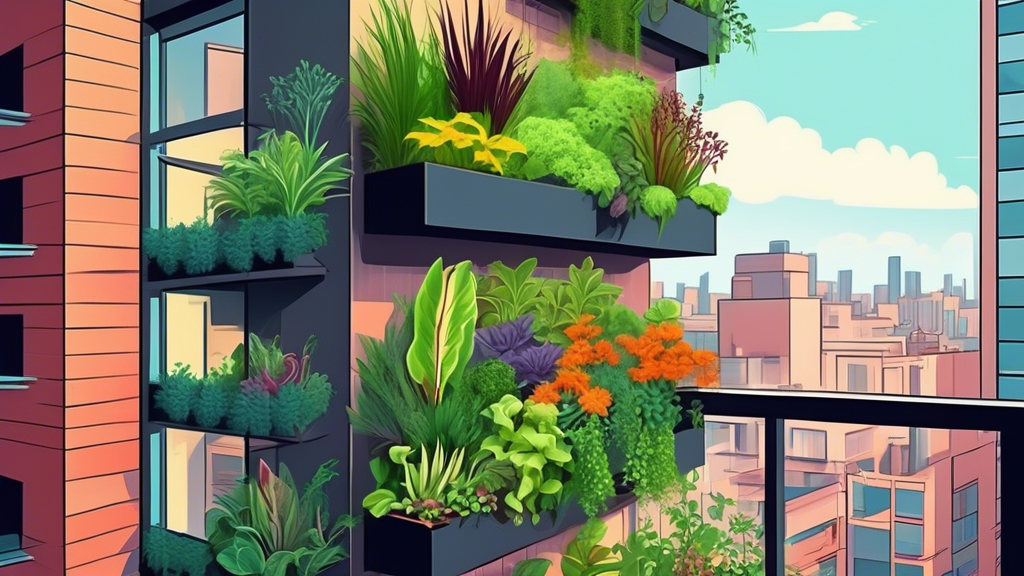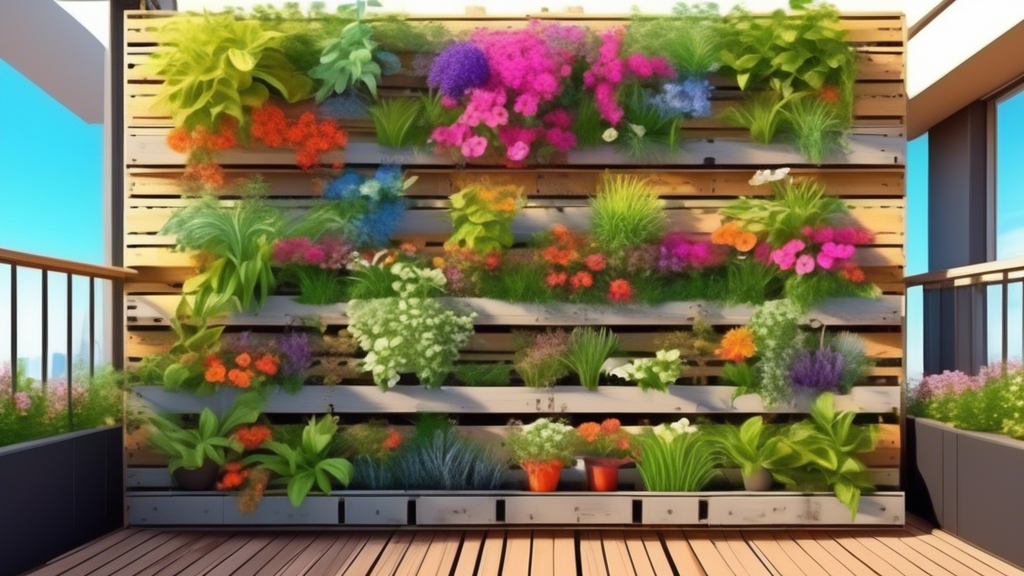
The Driving Forces Behind 2024’s Urban Gardening Trends
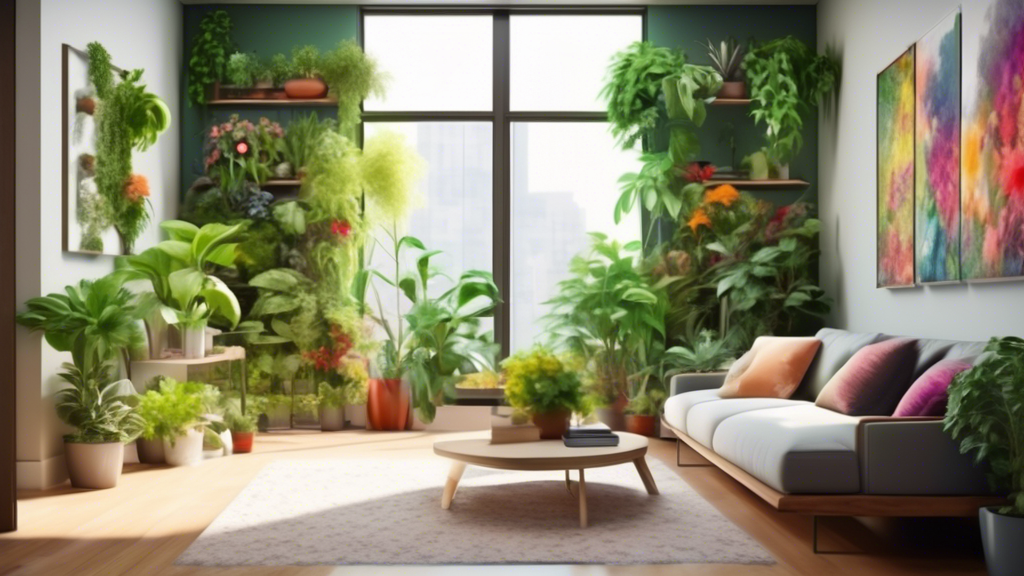
Urban gardening is no longer just a hobby; it’s a response to the unique challenges and desires of city living. Let’s explore the core motivations shaping this year’s biggest trends.
Solving Key Urban Challenges
City dwellers face specific hurdles that modern gardening directly addresses.
- Lack of Space: Maximizing every square inch of balconies, walls, and windowsills.
- Limited Time: Busy lifestyles demanding low-maintenance, automated systems.
- Desire for Sustainability: Reducing food miles and plastic waste from grocery stores.
- Mental Well-being: The need for a natural, calming hobby in a high-stress environment.
The Top Urban Gardening Trends of 2024
1. Tech-Integrated Smart Gardens
App-connected plant sensors, automated watering systems, and AI-powered grow lights are bringing precision agriculture to your home.
Problem Solved: Over/under-watering and guessing plant needs.
Unique Insight: New systems use machine learning to adjust light “recipes” (specific spectrums of red and blue light) to optimize flavor and nutrient density in herbs and greens, not just growth speed.
2. Hyper-Local & Community-Focused Gardening
A shift from solitary gardening to shared spaces and seed libraries is fostering local connections.
Problem Solved: Lack of knowledge and community connection.
Unique Insight: “Crop-swapping apps” are emerging, allowing urban gardeners in the same neighborhood to trade their surplus cherry tomatoes for a neighbor’s excess basil, creating a hyper-local barter economy.
3. Water-Wicking Systems and Sub-Irrigation
Self-watering planters and Ollas (unglazed clay pots buried in soil) are revolutionizing water management.
Problem Solved: Water waste and the daily chore of watering.
Comparison: Ollas vs. Self-Watering Pots
| Method | Best Use Case | Key Feature |
|---|---|---|
| Ollas | In-ground or large raised beds | Ancient technology providing deep, consistent moisture |
| Self-Watering Pots | Containers and balconies | Modern design with a visible water reservoir for convenience |
4. Regenerative Gardening in Micro-Spaces
Applying principles of no-till gardening, composting, and boosting biodiversity, even on a small scale.
Problem Solved: Reliance on chemical fertilizers and creating waste.
Unique Insight: “Bokashi composting” is a Japanese method that allows you to ferment all your food scraps (including meat and dairy) in a small, airtight bucket indoors, producing a nutrient-rich “tea” for plants and pre-compost, with no foul odors.
5. Edible Ornamentals & Aesthetic Foodscaping
Blending vegetables, herbs, and edible flowers into decorative container displays and flower beds.
Problem Solved: Choosing between a beautiful space and a productive one.
Examples: Rainbow chard as a centerpiece, purple basil as a border, trailing cherry tomatoes in hanging baskets.
6. Focus on Climate-Resilient & Native Plants
Choosing plants that are naturally adapted to the local climate and pests.
Problem Solved: Plants struggling with urban heat islands, pollution, and local pests.
Unique Insight: Many native perennial flowers and herbs are not just resilient; they are “multifunctional.” For example, yarrow not only attracts pollinators but also accelerates compost decomposition when its leaves are added to the pile.
Urban Gardening Methods Compared
A quick, scannable guide to help you choose the right method for your space and lifestyle.
| Method | Best For | Space Needed | Maintenance Level | Tech Integration |
|---|---|---|---|---|
| Smart Gardens | Beginners, Tech Lovers | Indoor (Countertop) | Very Low | High (App, Sensors) |
| Container Gardening | Balconies, Renters | Small to Medium | Medium | Medium (Add-on sensors) |
| Vertical Gardening | Maximizing Wall Space | Minimal Footprint | Medium to High | Low |
| Community Plots | Social Gardeners, Families | Shared Space | Varies | Low |
Frequently Asked Questions About Urban Gardening
I have a tiny apartment with no balcony. Can I still garden?
Absolutely. The top urban gardening trends of 2024 are perfect for this! Focus on indoor smart gardens, hydroponic kits, or a windowsill herb garden using the water-wicking trend to make care easy.
What are the easiest vegetables to grow for a complete beginner?
Start with “cut-and-come-again” greens like lettuce and kale, radishes, bush beans, and herbs like mint and basil. These are forgiving and provide a quick, rewarding harvest.
How can I keep pests away without using harsh chemicals?
This is where the regenerative trend shines. Encourage beneficial insects by planting marigolds or nasturtiums (a practice called “companion planting”). You can also make a simple spray with diluted neem oil or soapy water.
Is urban gardening actually cost-effective?
Initially, there’s a setup cost. However, by growing expensive herbs and greens like basil and arugula, and using regenerative methods to create your own compost, you will see savings over time, not to mention the priceless value of fresh, organic produce.