Why Choose DIY Hydroponics? Unpacking the Benefits
Solve These Common Gardening Challenges
Many aspiring gardeners face obstacles that prevent them from growing their own fresh produce. Hydroponics offers practical solutions to these everyday problems.
- No Yard? No Problem: Grow fresh produce in an apartment, on a balcony, or in a basement.
- Bad Soil or Limited Space: Overcome poor outdoor soil conditions or lack of traditional garden space.
- Weeds and Pests: Dramatically reduce the common headaches of weeding and soil-borne pests.
- Water Worries: Use up to 90% less water than traditional soil gardening.
The Unique Advantage: Flavor Control
Most people don’t realize that you can directly influence the flavor profile of your herbs and vegetables through the nutrient solution. By slightly altering the mineral balance (e.g., more potassium for sweeter tomatoes, more sulfur for more pungent basil), you can become a “plant sommelier” and customize tastes to your preference.
Choosing Your First DIY Hydroponic System
System Showdown: A Quick Comparison
| System Type | Best For | Pros | Cons |
|---|---|---|---|
| Deep Water Culture (DWC) | Beginners, leafy greens (lettuce, herbs) | Very simple, low cost, minimal moving parts | Not ideal for large, long-term plants |
| The Kratky Method (Passive DWC) | Absolute beginners, low-maintenance herbs | No electricity, air pumps, or timers needed | Slower growth and not suitable for all plant types |
| Ebb and Flow (Flood and Drain) | Hobbyists wanting to grow a wider variety of plants | Versatile, excellent root aeration | Requires a pump and timer, more complex setup |
| Nutrient Film Technique (NFT) | Commercial growers or serious hobbyists with space | Very efficient use of water and nutrients | Susceptible to pump failures and power outages |
Your Step-by-Step Guide to a Simple Deep Water Culture (DWC) System
Gathering Your Materials
- 5-gallon food-grade bucket (with lid)
- Net pots
- Hydroponic growing medium (e.g., clay pebbles, rockwool cubes)
- Air pump, air stone, and tubing
- Hydroponic nutrients (Liquid ones are easier for beginners)
- pH testing and adjustment kit
- A young plant or seeds
The Assembly Process
- Prepare the Bucket: Drill a hole in the lid for the net pot and a small hole for the air line.
- Set Up Aeration: Place the air stone in the bucket, connect it to the air pump outside the bucket.
- Plant Preparation: Place your seedling (in a rockwool cube) into the net pot and surround it with clay pebbles for support.
- Mix the Nutrient Solution: Follow the product instructions to mix nutrients with water in the bucket. Check and adjust the pH to the ideal range (5.5-6.5).
- Final Assembly: Place the lid on the bucket, ensuring the plant’s roots will dangle into the nutrient solution.
Ongoing Maintenance and Care
- Monitoring pH and Nutrient Strength (EC/TDS)
- Topping off vs. changing the reservoir
- Checking the air pump functionality
Troubleshooting Common DIY Hydroponics Problems
Identifying and Fixing Nutrient Deficiencies
Learn to recognize signs like yellow leaves or purple stems, which indicate specific nutrient imbalances that can be corrected by adjusting your solution.
Dealing with Pests and Diseases
While less common than in soil gardening, issues like root rot or aphids can still occur and require specific hydroponic-safe treatments.
Solving pH Instability
Fluctuating pH levels can lock out essential nutrients. Regular monitoring and adjustment are crucial for plant health.
Frequently Asked Questions About DIY Hydroponics
Is a DIY hydroponic system expensive to build and run?
Not at all. A simple DWC system can be built for under $50. Running costs are low, primarily for the small air pump and nutrient solution.
What are the easiest plants to grow for a beginner?
Leafy greens like lettuce, spinach, and kale, as well as herbs like basil, mint, and cilantro are fantastic starting points.
Do I need special lights for an indoor DIY hydroponics setup?
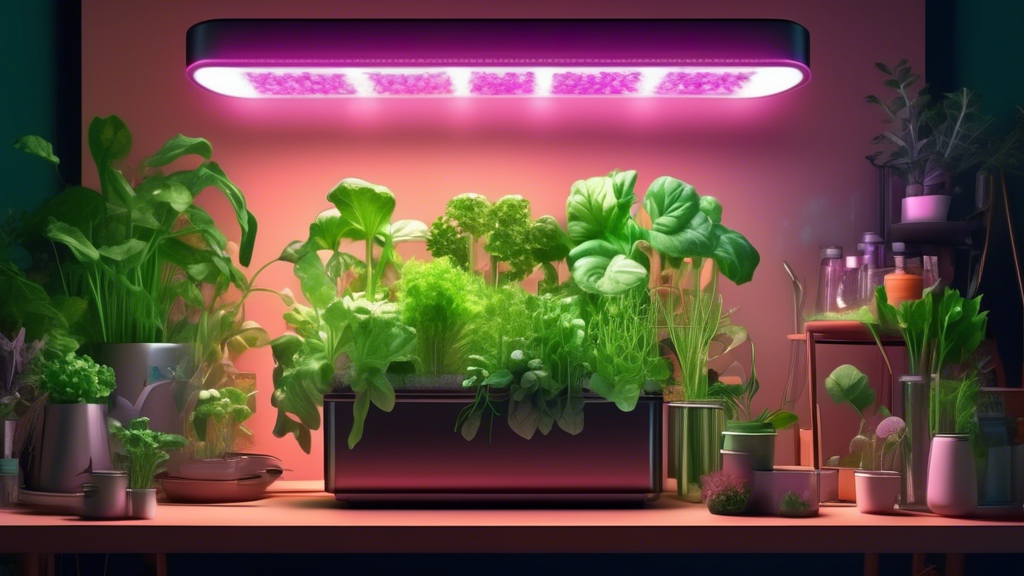
If you don’t have a very sunny windowsill, yes. Full-spectrum LED grow lights are energy-efficient and highly effective for indoor gardens.
How often do I need to change the water?
A full reservoir change is typically needed every 1-2 weeks, but you’ll need to top it off with fresh water more frequently as the plants drink it.
Conclusion: Start Your Hydroponic Journey Today
Building your own hydroponic system is an empowering step toward sustainable gardening. The rewards of harvesting your own fresh, flavorful produce make the initial effort worthwhile. Start with a simple DWC or Kratky method to gain confidence and experience the satisfaction of home hydroponics.
There’s no better time to embrace sustainable gardening and build your own DIY hydroponic system at home.