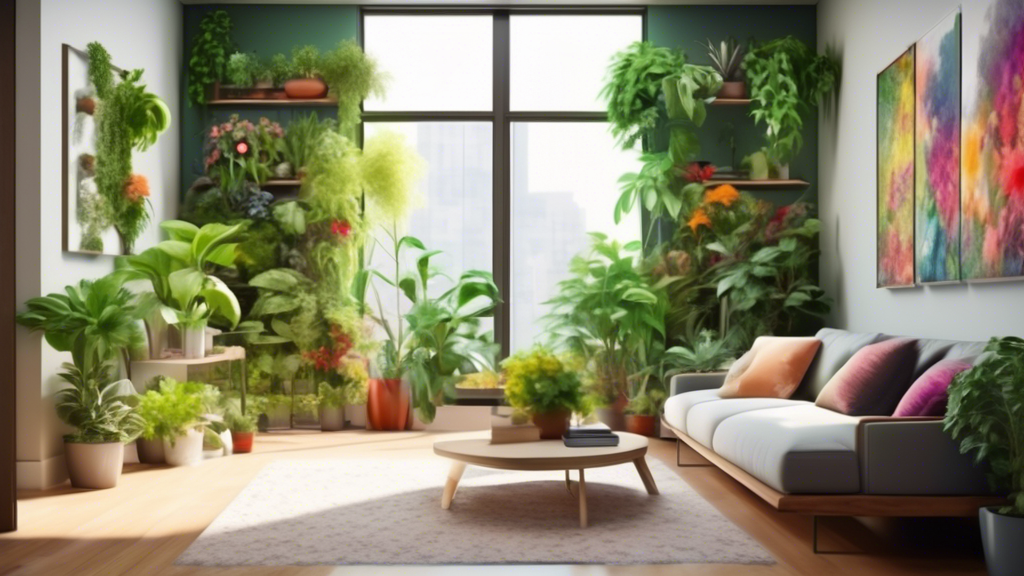
Why You Should Create a Vertical Garden Indoors
Maximizing Small Spaces and Enhancing Aesthetics
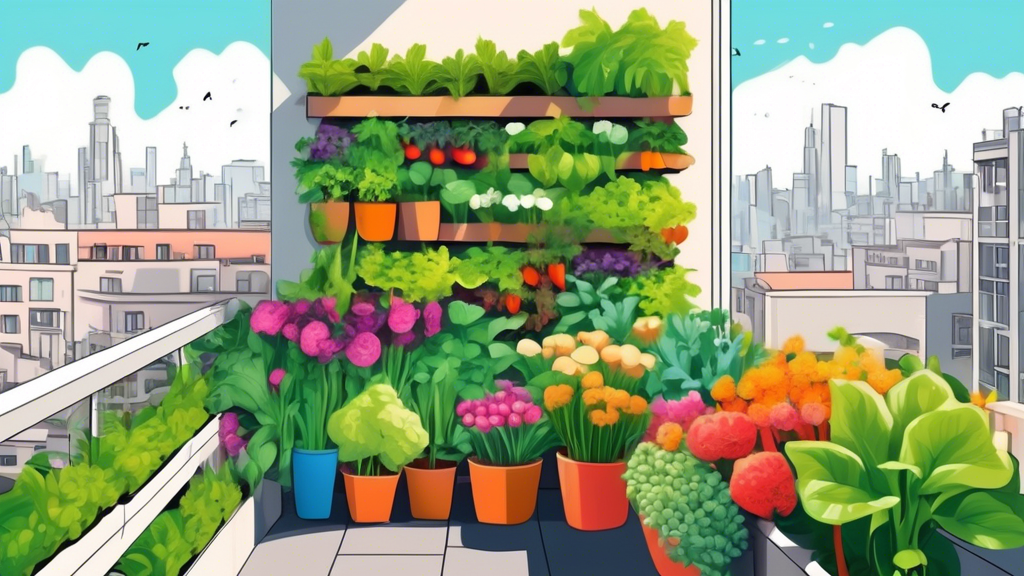
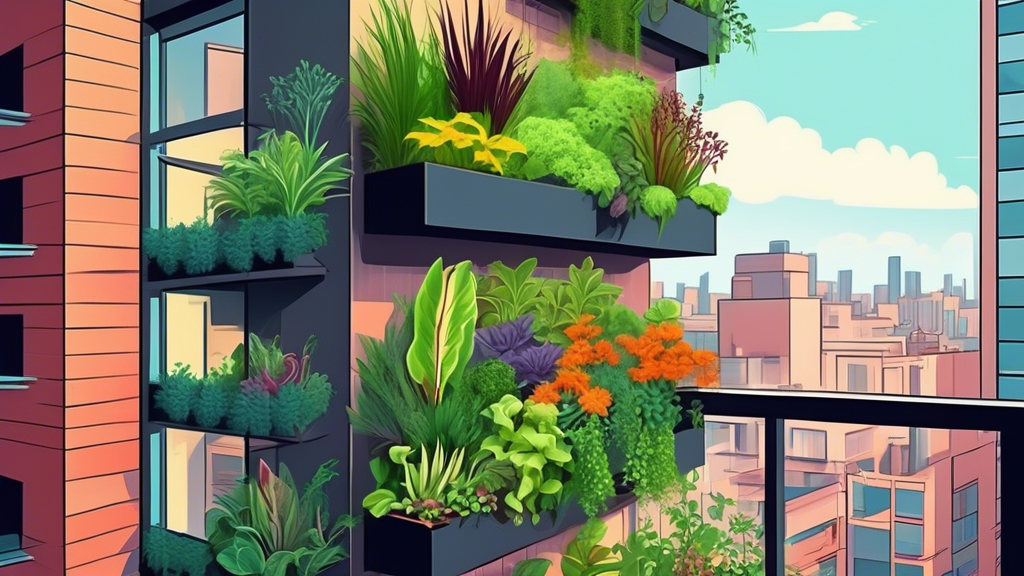
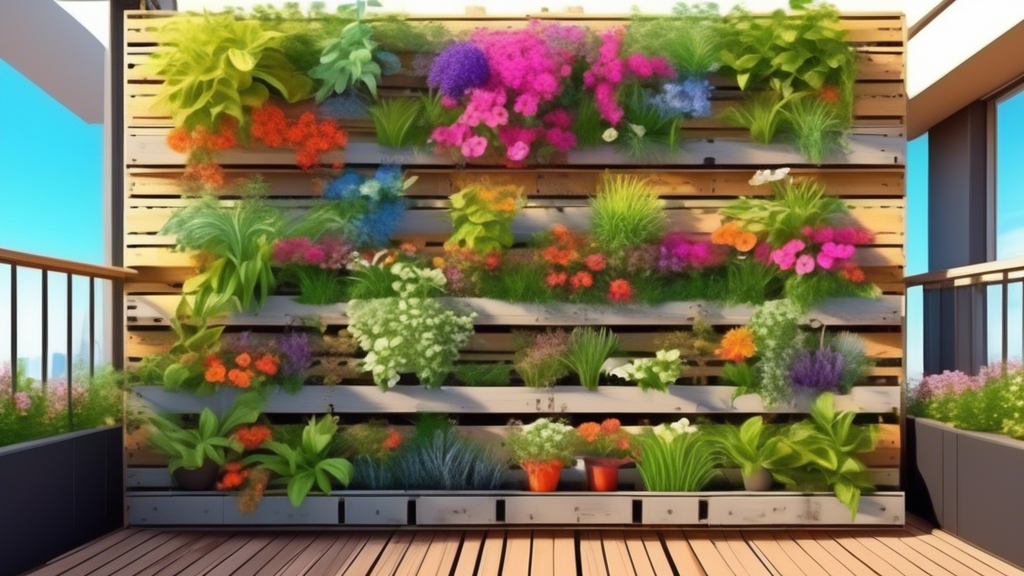
For those living in apartments or homes with limited floor space, a vertical garden is a revolutionary solution. It transforms unused vertical real estate—blank walls, narrow corners, or even the side of a cabinet—into a vibrant, living feature. This not only saves precious square footage but also adds a dynamic, textural element to your decor that traditional houseplants or artwork cannot match. A vertical garden becomes a living sculpture, constantly evolving and growing.
Improving Air Quality and Well-being
Plants are natural air purifiers, and a vertical garden amplifies this benefit by concentrating many plants in one area. They absorb common volatile organic compounds (VOCs) and release oxygen, contributing to a healthier indoor environment. Furthermore, numerous studies have linked the presence of plants to reduced stress levels, improved mood, and increased productivity. A living wall brings a piece of nature’s calm indoors, creating a serene and restorative atmosphere.
The Unique Joy of Living Wall Art
Unlike a static painting or photograph, a vertical garden is a dynamic, breathing piece of art. It changes with the seasons, grows new leaves, and can even flower. This ever-evolving display provides a unique sense of accomplishment and a deeper connection to the natural world within your own home. It’s a conversation starter and a personal, living project that you nurture and watch flourish over time.
Top Picks for the Best Plants for Vertical Gardens Indoors
Low-Light Champions (Perfect for Hallways & Bathrooms)
Not every wall in your home is blessed with abundant sunlight. These resilient plants thrive in lower light conditions, making them perfect for north-facing walls or interior rooms.
- Pothos (Devil’s Ivy): A nearly indestructible vine known for its rapid growth and heart-shaped leaves. It’s highly adaptable and excellent for cascading down a vertical structure.
- Snake Plant (Mother-in-Law’s Tongue): With its striking, upright architectural form, the Snake Plant is a superb choice for adding vertical lines. It’s incredibly drought-tolerant and thrives on neglect.
- Philodendron Heartleaf: Similar to Pothos, this classic houseplant features trailing vines and is very forgiving of imperfect light and watering schedules.
Moderate to Bright Light Lovers (Ideal for Living Rooms & Sunrooms)
If your vertical garden will be placed near a window, you can incorporate plants that crave more light, adding variety and color.
- Spider Plant: This adaptable plant produces “pups” or baby plants on long runners, creating a beautiful, cascading effect. It’s non-toxic and excellent for purifying the air.
- Staghorn Fern (as a mounted feature): A truly unique epiphyte, Staghorn Ferns are meant to be mounted on a board or within a panel. Their distinctive, antler-shaped fronds make a stunning focal point.
- String of Pearls: For a truly dramatic effect, this succulent with its trailing stems of spherical leaves is a showstopper. It requires bright light and well-draining soil.
Herbs for Your Kitchen Wall (Edible & Aromatic)
Why not make your vertical garden both beautiful and functional? A kitchen herb wall provides fresh flavors at your fingertips.
- Mint: Grows vigorously and loves moisture. Be aware it can be invasive, so keeping it contained in its own pocket is ideal.
- Basil: Requires plenty of light and regular harvesting to encourage bushy growth. The aroma is a wonderful bonus.
- Thyme: A hardy, low-growing herb that is drought-tolerant once established. Its delicate leaves add fine texture.
Key Considerations Before You Plant
Light & Location: Matching Plants to Your Home’s Conditions
The single most important factor for success is placing the right plant in the right light. Assess the wall where you plan to install your garden. Is it a bright, south-facing wall or a dim interior one? Use the plant recommendations above as a guide. Remember, even “low-light” plants need some ambient light to survive.
Watering & Drainage: The Biggest Challenge of Vertical Gardening
Gravity is the main challenge in a vertical setup. Water tends to run straight down, potentially leaving the top plants dry while waterlogging the bottom ones. Systems with built-in irrigation are ideal. If hand-watering, water slowly and evenly, allowing moisture to soak in. Proper drainage in each pocket or panel is non-negotiable to prevent root rot.
Soil & Structure: Choosing the Right Medium and Support System
Standard potting soil is often too heavy and dense for vertical gardens. A lightweight, well-aerated potting mix is essential. Many gardeners use a soilless mix based on coco coir or sphagnum peat moss, amended with perlite or vermiculite for drainage. The structure—whether it’s a fabric pocket system, a rigid plastic panel, or a trellis—must be securely mounted to support the weight of the plants, soil, and water.
Comparison: Vertical Garden Systems & Plant Pairings
Pocket Planters vs. Trellis Systems vs. Modular Panels
| System Type | Best For | Pros | Cons | Ideal Plant Pairings |
|---|---|---|---|---|
| Felt Pocket Planters | Herbs, small annuals, succulents | Affordable, lightweight, easy to install | Can dry out quickly, less durable | Pothos, Strawberry Begonia, Herbs |
| Trellis Systems | Vining and climbing plants | Great for large, statement plants; sturdy | Limited to climbing plants; requires training | Philodendron, Hoya, Jasmine |
| Modular Plastic Panels | Mixed plantings, creating a dense “wall” | Durable, often include irrigation, professional look | More expensive, heavier, complex installation | Ferns, Spider Plants, Calatheas |
Creating a Cohesive Look: Mixing Textures, Colors, and Growth Habits
A visually appealing vertical garden uses contrast and harmony. Combine plants with different leaf sizes and textures—broad, glossy leaves of a Philodendron against the fine, feathery fronds of an Asparagus Fern. Add pops of color with flowering plants like Orchids (for bright, humid walls) or the variegated leaves of a Pothos ‘N’ Joy’. Finally, pay attention to growth habits: use upright plants for structure, bushy plants to fill space, and trailing “spiller” plants to soften edges.
Common Challenges and How to Solve Them
“My plants are dying at the top/bottom.” (Uneven Watering)
This is a classic sign of uneven watering due to gravity. Solution: Water the top of the system slowly and in small amounts, allowing the water to trickle down and be absorbed rather than run off. Consider a drip irrigation system with emitters placed at the top and middle sections. For pocket systems, you can also take the entire unit down and soak it in a bathtub every few weeks for a thorough, even watering.
“Pests have invaded my wall!” (Managing Bugs in a Vertical Space)
A dense vertical garden can be a haven for pests like aphids, spider mites, and mealybugs. Solution: Isolate the affected plant if possible. Treat the entire wall with a horticultural oil or insecticidal soap, ensuring you spray the undersides of leaves. For a severe infestation, you may need to remove heavily affected plants. Prevention is key—regularly inspect your plants and ensure good air circulation around the wall.
“The roots are outgrowing the pockets.” (Plant Maintenance and Repotting)
Healthy plants will eventually become root-bound. Solution: This is a sign of success, but it requires action. You will need to carefully remove the plant from its pocket, trim back the roots, and refresh the soil before replanting. Alternatively, you can propagate the plant (many like Pothos and Spider Plants are easy to propagate in water) and start new plants for your wall, cycling out the overgrown ones.
Pro Tip: The Secret to a Lush Vertical Garden
Utilize “Spiller” Plants to Hide the System and Add Depth
Most people focus on the plants themselves, but the real secret to a professional-looking vertical garden is strategic use of “Spiller” plants—varieties that cascade down. Plants like Creeping Fig, English Ivy, or even a robust String of Pearls can be placed at the top or sides to grow downward. This clever placement softens the hard edges of the frame or pocket system, creating a seamless, lush “living wall” effect that completely disguises the mechanics of the garden. It makes the plants appear to emerge directly from the wall itself, adding layers of depth and a finished, organic look.
Frequently Asked Questions (FAQ) About Indoor Vertical Gardens
How often should I water my indoor vertical garden?
There is no one-size-fits-all answer, as it depends on the plants, light, temperature, and system type. The best method is the “finger test.” Stick your finger into the soil of a few different pockets (top, middle, bottom). If the top inch of soil feels dry, it’s time to water. In general, most indoor vertical gardens need watering 1-2 times per week.
Can I use regular potting soil?
It’s not recommended. Regular potting soil is too heavy, compacts easily, and retains too much water, which can lead to root rot and put excessive strain on the structure. Always opt for a lightweight, well-draining potting mix designed for containers, or better yet, a specific vertical garden mix that often contains more coco coir and perlite.
What is the easiest plant to start with for a beginner?
For a beginner, Pothos (Devil’s Ivy) is arguably the best choice. It’s extremely forgiving, grows quickly in various light conditions, and its trailing habit is perfect for vertical gardens. It will give you quick, satisfying results while you learn the ropes of vertical garden care.
Do vertical gardens damage indoor walls?
They can if not installed properly. The primary risks are moisture damage and weight. To prevent this, ensure there is a proper air gap between the garden system and the wall, use a waterproof backing, and address any leaks immediately. Always mount the system securely into wall studs or with heavy-duty anchors designed for the total wet weight of the system.