Square Foot Gardening: The Ultimate System to Maximize Space and Yields
You’ve seen it before: a sprawling garden bed that starts with promise in May but becomes a tangled, weedy jungle by July. You spend hours watering, weeding, and wrestling with pests, only to harvest a few handfuls of produce. The effort feels disproportionate to the reward, and your dream of backyard abundance fades with the summer sun. This frustration ends now. Imagine instead a neat, organized, and intensely productive garden right outside your door—a living tapestry of food that is simple to manage and stunningly generous. This is not a fantasy; it is the precise promise of a mastered system. Square Foot Gardening is the foundational key to transforming any limited space into maximum bounty, combining ruthless efficiency with elegant simplicity for unparalleled results.
Laying the Foundation: Building Your Productive Grid
Your success in square foot gardening is built on three non-negotiable pieces of hardware: the box, the soil, and the grid. These choices form the permanent stage for your annual performance of abundance. Compromise here, and you will fight an uphill battle forever. Master them, and you create the conditions for effortless growth.
Part A: The Box – Sizing and Structure
The 4-foot by 4-foot raised bed is the gold standard for a reason. It allows you to reach the center from any side without stepping on the soil, preserving its perfect structure. A depth of 6 to 12 inches is sufficient for most crops. Use untreated cedar, redwood, or composite lumber for longevity. The single most critical design feature is a bottomless frame. Your box must sit directly on the ground to allow for unimpeded drainage and let deep-rooting plants access subsoil moisture. Enclosing the bottom creates a waterlogged planter, not a garden bed.
Part B: Location and Orientation
Place your box where it will receive a minimum of 6 to 8 hours of direct sunlight daily. Observe your yard; a sunny spot in spring may be shaded by trees in summer. Position the box so that the tallest plants (on a north-side trellis) will not cast shade on shorter ones. Proximity to a water source is non-negotiable for consistent care. Finally, place it where you will see it daily—accessibility encourages the minute of maintenance that prevents hours of work.
Part C: The “Mel’s Mix” and Grid System
Forget your native soil. The engineered growing medium, known as Mel’s Mix, is the heart of the system. It never compacts, drains perfectly yet retains moisture, and is incredibly fertile. You must build it from three equal parts.
| Component Category | Options | Key Characteristics |
|---|---|---|
| 1/3 Blended Composts | Vermicompost, mushroom, plant-based, manure | Provides nutrients and a diverse biology; using 4-5 different types creates a balanced, nutrient-rich foundation. |
| 1/3 Peat Moss or Coir | Sphagnum peat moss, coconut coir | Holds moisture and aerates the mix; coir is a more sustainable and renewable alternative to peat. |
| 1/3 Coarse Vermiculite | Horticultural Grade #4 | Retains water and air pockets; creates a permanently loose, workable soil that roots penetrate easily. |
Finally, impose order with a physical grid. Use thin lathe, string, or permanent fixtures to divide the 4’x4′ bed into 16 clear squares. This grid is your planting map and the visual key to preventing overcrowding.
The Core System: Planting, Spacing, and Succession
With your stage set, you now manage a dynamic system of spatial and temporal control. This is where efficiency transforms into abundance.
The Spacing Matrix: The Rule of Thumb
Each square foot hosts a specific number of plants: 1, 4, 9, or 16. This is not a suggestion. A tomato needs an entire square (1 per square). Bush beans fit perfectly at 9 per square. Carrots and radishes can be sown at 16 per square. Overcrowding is the thief of yield—it creates competition for light and food, fosters disease through poor air circulation, and results in stunted, disappointing produce. The grid makes this foolproof.
Vertical Integration: Growing Upwards
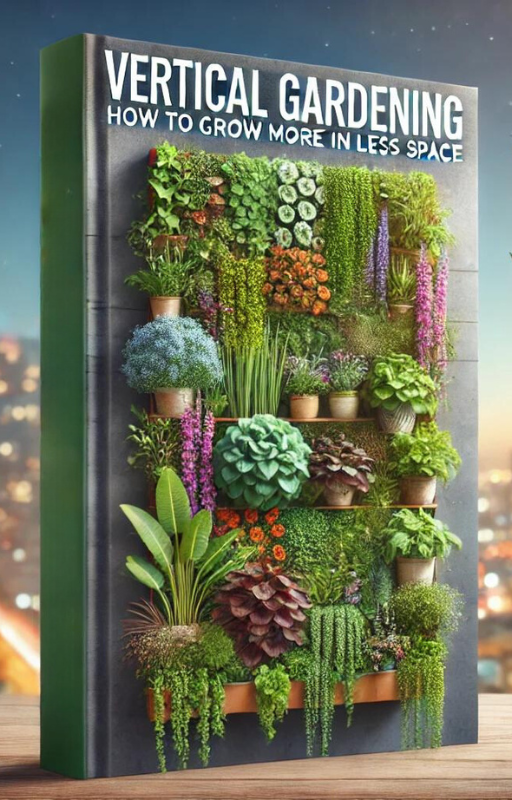
To truly maximize space and yields, think in three dimensions. Install a sturdy trellis on the north side of your box for vining crops—cucumbers, pole beans, peas, and even small melons. By growing vertically, you free up precious square footage below for shade-tolerant crops like lettuce or spinach. I use a simple 6-foot tall nylon netting attached to a frame; it supports hundreds of beans in the space of a single square foot.
The Cycle of Abundance: Succession Planting
Harvesting a square does not mean it is done for the year. The moment you pull a radish, that square is ready for a new crop. This is succession planting. Follow cool-season lettuce with warm-season bush beans. After the beans, plant more lettuce for fall. This relentless cycling turns 16 squares into what feels like 48 squares of production over a single season.
Advanced Cultivation: Optimization and Care
Mastery moves beyond setup into the fine-tuning of inputs and strategy. Here, you optimize for both quality and quantity.
Precision Watering and Feeding
Water deeply but infrequently, targeting the base of plants to keep leaves dry and prevent disease. A simple drip irrigation system on a timer is the ultimate upgrade, delivering consistent moisture directly to the root zone with zero waste. For feeding, the Mel’s Mix is your primary nutrient source. Replenish it each planting cycle with a handful of fresh, blended compost or a light application of a balanced organic fertilizer. This maintains fertility without the risk of burn or salt buildup.
Intelligent Crop Selection and Rotation
Choose varieties bred for compact growth and high yield—’Patio’ tomatoes, ‘Spacemaster’ cucumbers, ‘Little Gem’ lettuce. Even within the small square, practice simple crop rotation. Do not plant tomatoes in the same square two years in a row; follow them with legumes (beans) or roots (carrots). This basic rotation manages soil nutrients and disrupts pest and disease cycles.
Threat Management: Proactive Problem Solving
The system’s design prevents most common garden ailments. A raised bed with clean mix eliminates soil-borne diseases and most weeds. Excellent air circulation from proper spacing discourages fungal issues. Your primary role is that of a vigilant guardian.
Prevention Through Design and Care
Consistent harvesting prevents plants from becoming stressed and attractive to pests. Remove any diseased foliage immediately. Keep the garden tidy and the paths clear. Healthy plants in ideal conditions are your best defense.
Targeted Intervention
For pests like aphids or cabbage worms, adopt a tiered response. First, inspect daily and hand-pick offenders. Second, dislodge small pests with a strong spray of water. Only as a last resort, apply an organic, targeted insecticidal soap directly to the affected area—never as a broad-scale spray. This preserves the beneficial insects that are your true allies.
The Square Foot Gardener’s Action Calendar
| Season/Phase | Primary Tasks | What to Focus On |
|---|---|---|
| Early Spring | Build/refresh boxes; fill with Mel’s Mix; install grid; plant cool-season crops (lettuce, radish, peas, spinach). | Perfect soil preparation and securing early, fast harvests to build momentum. |
| Late Spring/Summer | Plant warm-season crops (tomatoes, peppers, beans, cucumbers); install vertical supports; begin rigorous succession planting. | Maximizing space and yields by using every square and growing vertically for peak-season abundance. |
| Fall | Harvest and immediately replant squares with cool-season crops (kale, beets, scallions); top-dress empty squares with finished compost. | Extending the harvest season by weeks or months through strategic replanting. |
| Winter | Plan next year’s layout on paper; order seeds; clean and maintain tools; protect beds with a mulch cover. | Reflection on the past season and meticulous preparation for the next cycle of abundance. |
The journey from an empty frame to a continuous, manageable harvest is one of controlled, intensive space management. You move from being a laborer in a weedy patch to a conductor of a productive, living system. The profound satisfaction comes not just from the baskets of fresh food, but from the beauty of the system itself—a neat, organized, and generous personal paradise that enriches your life with simplicity and unparalleled yields. This is the harvest of mastery.