What Makes a Plant a “Permaculture Powerhouse”?
In permaculture, a plant’s value is measured by more than just its yield. We look for species that perform multiple functions, creating a resilient, self-fertilizing, and low-maintenance ecosystem. The goal is to move beyond being a gardener who constantly inputs labor and resources, and toward becoming an ecosystem manager.
Beyond Just Food: The 7 Layers of a Forest Garden
Nature doesn’t garden in a flat, monocultured row. It stacks plants in vertical layers, each occupying a different niche. By mimicking this “forest garden” structure, you can dramatically increase your garden’s productivity and stability on the same footprint.
| Layer | Description | Example Plants |
|---|---|---|
| Canopy | Tall trees, typically fruit or nut trees. | Apple, Pear, Walnut |
| Understory | Smaller trees that tolerate some shade. | Pawpaw, Serviceberry, Goumi Berry |
| Shrub Layer | Bushes and brambles. | Blueberries, Raspberries, Currants |
| Herbaceous Layer | Non-woody plants (vegetables, herbs, flowers). | Comfrey, Rhubarb, Kale |
| Ground Cover | Low-growing plants that cover the soil. | Strawberries, Clover, Sweet Potato |
| Rhizosphere | Root crops within the soil. | Potatoes, Carrots, Sunchokes |
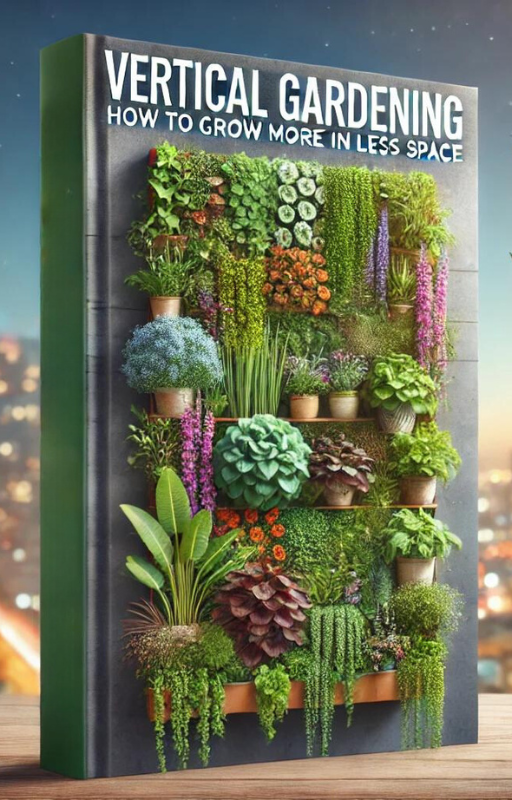
| Vertical Layer | Vines and climbers. | Hardy Kiwi, Grapes, Pole Beans |
Key Traits of a Top Permaculture Plant
- Multi-Functional: Provides food, medicine, fodder for animals, or materials (e.g., bamboo for poles).
- Low Maintenance: Preferentially perennial, meaning you plant it once and it returns for years, or vigorous self-seeding annuals.
- Soil Builders: Includes nitrogen-fixing plants and “dynamic accumulators” that mine minerals from deep in the subsoil and bring them to the surface.
- Pest & Disease Resistant: Naturally robust varieties that don’t require chemical sprays.
- Supports Wildlife: Attracts and supports pollinators, predatory insects, and other beneficial fauna.
The Ultimate List of Top Permaculture Plants for Self-Sufficient Gardens
The Nitrogen-Fixing Foundation Plants
These plants form the backbone of a fertile garden, working with soil bacteria to pull nitrogen from the air and make it available to neighboring plants.
| Plant | Key Uses & Benefits | Unique Insight |
|---|---|---|
| Comfrey (Symphytum officinale) | Dynamic accumulator, medicinal herb, compost activator, chicken feed. | Its leaves are so rich in potassium and other nutrients that they can be used to create a powerful “comfrey tea” fertilizer. Simply dropping the leaves as mulch around fruit trees acts as a slow-release fertilizer, making it a living fertilizer factory. |
| Goumi Berry (Elaeagnus multiflora) | Edible tart berries, nitrogen-fixer, great for wildlife. | Unlike many fruiting plants, Goumi Berry actually improves soil fertility for the plants around it while providing a unique, vitamin-rich fruit. |
| Fava Beans (Vicia faba) | Edible beans and shoots, excellent winter cover crop. | They are one of the few beans that can fix nitrogen in cold, wet winter soils, making them invaluable for year-round soil building. |
Perennial Vegetables for “Plant Once, Harvest for Years”
Eliminate the need for annual tilling and planting with these reliable food producers.
| Plant | Key Uses & Benefits | Unique Insight |
|---|---|---|
| Egyptian Walking Onion (Allium × proliferum) | Edible bulbs (top and bottom), perennial, very hardy. | It literally “walks” across your garden. The top-setting bulbils become heavy, bending the stalk to the ground where they root themselves, ensuring a continuous, no-work harvest and naturally propagating the plant. |
| Asparagus (Asparagus officinalis) | Classic perennial vegetable, high-value crop. | A well-established asparagus patch can be productive for 20 years or more, representing a fantastic long-term investment in food security. |
| Turkish Rocket (Bunias orientalis) | Edible broccoli-like shoots, perennial, drought-tolerant. | This is a superb, lesser-known perennial brassica that provides early spring greens when little else is available, and it’s far more resilient than annual broccoli. |
Resilient & Prolific Fruiters
These plants provide sweet rewards with minimal fuss, often for decades.
- Fig (Ficus carica): Thrives in warm climates but can be grown in containers and protected in colder regions. Produces abundant, sweet fruit.
- Serviceberry / Saskatoon Berry (Amelanchier alnifolia): An extremely cold-hardy native plant that produces delicious berries loved by both humans and birds. It’s an ideal understory tree.
- Hardy Kiwi (Actinidia arguta): Produces grape-sized, smooth-skinned kiwi fruits that are sweeter than their fuzzy cousins. A vigorous vine that can create a beautiful and productive vertical layer.
Dynamic Support Species (The “Workers”)
These plants may not always be for your plate, but they work tirelessly for the health of your entire garden.
| Plant | Key Uses & Benefits | Unique Insight |
|---|---|---|
| Yarrow (Achillea millefolium) | Biodynamic accumulator, attracts beneficial insects, medicinal herb. | Yarrow is known to enhance the aromatic oil production of herbs planted near it, making them more potent and pest-resistant. |
| Borage (Borago officinalis) | Excellent pollinator attractor, edible flowers, self-seeds readily. | Borage is not just a pollinator magnet; it’s believed to increase the disease resistance of plants growing near it, particularly strawberries and tomatoes. |
Solving Common Garden Challenges with Permaculture Plants
“I’m tired of watering constantly!”
Solution: Incorporate deep-rooted, drought-tolerant perennials. Their extensive root systems access water far below the soil surface.
- Artichokes: Beautiful architectural plants with edible buds, very drought-tolerant once established.
- Jerusalem Artichokes (Sunchokes): Produce abundant tubers with minimal water and can even become invasive, so plant them where they can spread.
- Lavender: Aromatic, pollinator-friendly, and thrives in hot, dry conditions.
“My soil is poor and I don’t want to keep buying fertilizer!”
Solution: Deploy a team of soil-building plants. Let them do the work of fertilizing for you.
- Clover (as a living mulch): Plant between garden beds or under fruit trees. It fixes nitrogen, suppresses weeds, and retains soil moisture.
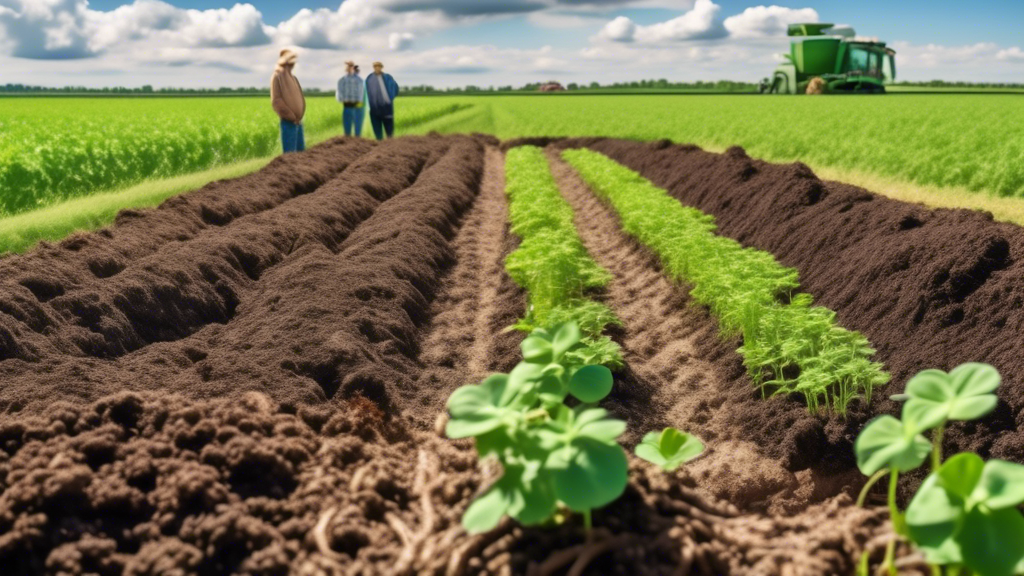
- Fava Beans: Use as a winter cover crop. Till them into the soil in spring (“chop and drop”) to add a massive boost of organic matter and nitrogen.
- Comfrey: As a dynamic accumulator, its deep roots pull up nutrients that other plants can’t reach.
“Pests keep destroying my crops!”
Solution: Use plants for pest control by repelling bad insects or attracting the good ones that eat them.
- Nasturtiums: A classic “trap crop” that aphids prefer over your valuable vegetables. Plant them as a sacrificial border.
- Dill & Fennel: Their umbrella-shaped flowers are a powerhouse for attracting predatory insects like ladybugs, lacewings, and parasitic wasps that control pest populations.
- Chives & Garlic: Their strong scent can confuse and repel pests like aphids and Japanese beetles.
Permaculture Plant Showdown: Smart Comparisons
Comfrey vs. Rhubarb: The Ultimate Mulch Plant
| Criteria | Comfrey | Rhubarb |
|---|---|---|
| Primary Use | Soil building, fertilizer, medicine | Culinary (stews, desserts) |
| Growth Speed | Extremely fast; can be cut 4-5 times a season | Moderate; harvest stalks sparingly in first few years |
| Mineral Accumulation | Excellent (especially Potassium) | Good |
| Verdict | Winner for soil building and mulch. A non-stop nutrient machine. | Winner for the kitchen. A delicious perennial, but less prolific for garden support. |
Clover vs. Grass for Lawn & Pathways
| Criteria | Clover | Grass |
|---|---|---|
| Nitrogen Fixation | Yes – fertilizes itself and nearby plants | No – requires additional fertilizer |
| Drought Resistance | High – stays green longer | Low – turns brown without water |
| Pollinator Support | Yes – flowers feed bees | No (unless left to seed, which is uncommon) |
| Mowing Frequency | Low | High |
| Verdict | Clover is the clear permaculture choice. It creates a living, fertilizing, low-maintenance ground cover that actively supports the ecosystem. | |
Designing Your Garden Guild: Putting It All Together
The real magic of permaculture happens when you stop thinking about individual plants and start designing “guilds”—mutually beneficial communities of plants, animals, and fungi centered around a key species, like a fruit tree. Each member of the guild supports the others.
Example Apple Tree Guild:
- Apple Tree (Canopy): The central element, providing shade and main food crop.
- Goumi Berry (Understory / Nitrogen-Fixer): Provides secondary fruit and fertilizes the apple tree.
- Comfrey (Mulch / Nutrient Accumulator): Planted in a ring around the tree. Its leaves are regularly cut and dropped as nutrient-rich mulch.
- Walking Onions (Pest-Confusing Herb Layer): Their strong smell helps deter pests from the apple tree.
- Clover or Yarrow (Ground Cover / Insectary): Covers the soil to prevent weeds, retain moisture, and attract beneficial insects to pollinate the apple blossoms and control pests.
Frequently Asked Questions (FAQs)
Can I really stop tilling my garden with permaculture?
Answer: Yes, and you should! Tilling destroys soil structure, burns up organic matter, and chops up the vital fungal networks (mycelium) that act as a nutrient internet for your plants. A no-till approach, using heavy mulching and perennial roots, builds rich, spongy, living soil that grows healthier plants with less work.
I have a small urban yard. Can I still use these plants?
Answer: Absolutely. Permaculture is about principles, not acreage. Focus on multi-functional plants in containers or small, intensive guilds. Dwarf fruit trees, Egyptian Walking Onions, herbs like Borage and Chives, and vertical layers with Hardy Kiwi or runner beans are perfect for small spaces.
Where is the best place to buy these plants?
Answer: Prioritize local native plant nurseries and specialized permaculture or heirloom seed companies. They often offer varieties well-suited to your region and grown without systemic pesticides. Online nurseries that stock perennial edibles are also a great resource, and don’t overlook local seed swaps for unique, locally-adapted varieties.
How long does it take to become self-sufficient?
Answer: View it as a journey, not a destination. True self-sufficiency is a complex goal, but you can make significant strides quickly. Start by replacing one or two grocery items (like herbs or salads) in your first season. As your perennial plants mature over 2-5 years, you’ll gradually rely less on store-bought produce. The garden becomes more productive and less work each year.
Conclusion: Choosing the right plants is the foundational step toward a resilient, self-sufficient garden. By selecting multi-functional perennials that support each other and the ecosystem, you can create a beautiful, productive landscape that requires less work and fewer external inputs over time. This is the true spirit of permaculture: creating a system that not only feeds you but also heals the land. Start small by introducing just two or three of these powerhouse plants into your garden this season.