The Gardener’s Water Woes: Common Challenges
Evaporation and Runoff
Wasting water and money as it simply washes away or evaporates before plants can use it.
Inefficient Irrigation
The hassle and waste of sprinklers that water leaves and pathways instead of roots.
Soil That Repels Water
Dealing with compacted or poor soil that acts like concrete, preventing water from soaking in.
Reliance on Mains Water
The stress and cost of being dependent on the hose or municipal water, especially during droughts.
Core Permaculture Principles for Water Conservation
Observe and Interact
The first step is always to watch how water moves through your garden during a rainstorm. Where does it pool? Where does it run off?
Catch and Store Energy (Water)
Treat water as a valuable resource to be harvested, not a problem to be disposed of.
Obtain a Yield
The “yield” here is a healthier garden with less work and lower water bills.
Practical Strategies: How to Use Permaculture to Conserve Water in Your Garden
Start from the Ground Up: Building Sponge Soil
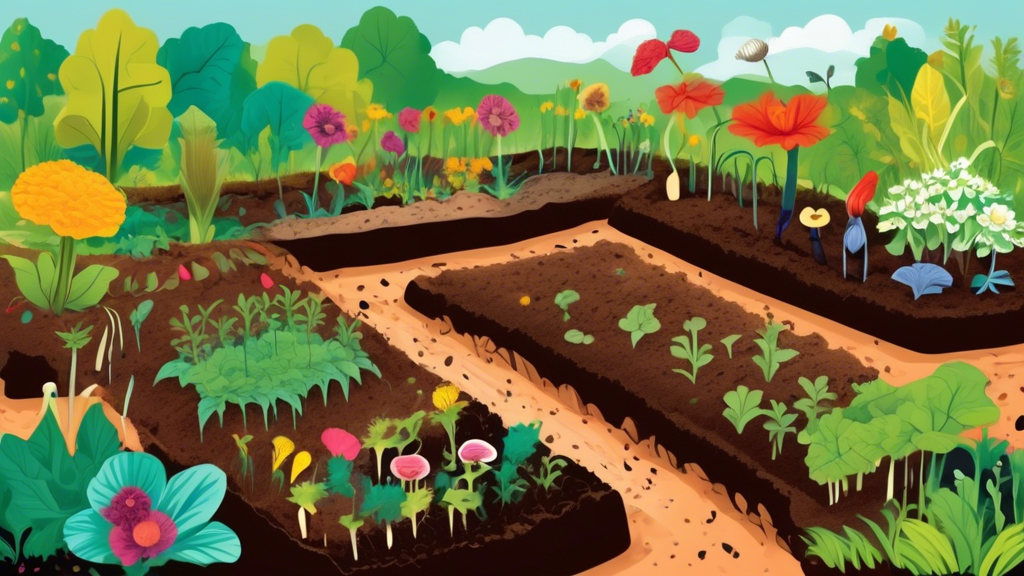
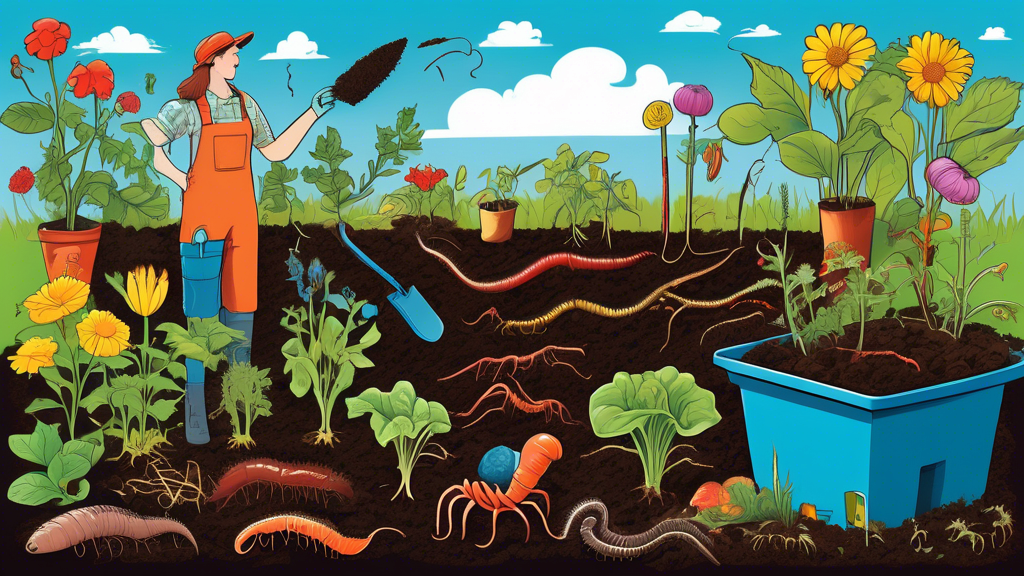
The role of organic matter (compost) in increasing water retention. Avoiding tilling to protect soil structure and fungal networks.
Harvesting Rainwater from Your Roof
Simple rain barrel systems. Linking multiple barrels for greater capacity.
Earthworks: Shaping the Land to Hold Water
Swales: The ultimate permaculture technique for stopping runoff on sloped land and allowing water to infiltrate deeply.
Basins and Berms: Creating small planting pits and mounds around trees and shrubs to direct water to their root zones.
The Magic of Mulching
How a thick layer of mulch drastically reduces evaporation, suppresses weeds, and feeds the soil. Types of mulch: straw, wood chips, leaf litter.
Planting the “Sponge”: The Right Plants in the Right Place
Using native and drought-tolerant plants that are adapted to your climate.
Plant Guilds: A unique permaculture concept where you group plants together so they support each other, reducing the need for external inputs like water.
Permaculture vs. Conventional Gardening: A Water-Saving Comparison
| Feature | Conventional Gardening | Permaculture Approach |
|---|---|---|
| Water Source | Relies on mains water (hose/sprinklers) | Prioritizes harvested rainwater and soil moisture |
| Soil | Often compacted, requiring frequent watering | Sponge-like, rich in organic matter, holds water |
| Planting | Rows of single species | Dense polycultures and guilds that shade the soil |
| Goal | Fight against nature to grow plants | Work with nature to create a self-sustaining system |
Beyond the Basics: A Unique Permaculture Insight
The “Dust Mulch” Myth and Why You Should Avoid It
Many gardeners believe that hoeing the soil surface creates a “dust mulch” that conserves water.
The Unique Insight: This is counterproductive. Breaking the soil’s surface capillary action actually increases evaporation from the deeper soil layers. A true, thick, organic mulch is far more effective at sealing in moisture. This is a little-known fact that highlights the deep ecological thinking in permaculture.
Frequently Asked Questions (FAQs)
Is a permaculture garden expensive to set up?
Not necessarily. While some elements like large tanks cost money, many techniques (composting, mulching with free materials, observing) are low or no-cost.
Can I use permaculture water conservation in a small urban garden?
Absolutely! Techniques like mulching, building good soil, using a rain barrel, and planting in dense guilds are perfectly suited for small spaces and even containers.
How long does it take to see the water-saving benefits?
Some benefits, like reduced evaporation from mulching, are immediate. The full system, with healthy soil and established plants, becomes increasingly water-efficient over 1-3 growing seasons.
Do I have to completely redesign my garden?
No. You can start small. Add a rain barrel one season, a new planting guild the next. Permaculture is about gradual, thoughtful change.
Your Journey to a Water-Wise Garden Starts Now
Reiterate that learning how to use permaculture to conserve water in your garden is a journey that saves you time, money, and a precious resource. Encourage the reader to pick one strategy—whether it’s installing a single rain barrel or simply observing the next rainfall—and start today. Emphasize that every small action adds up to create a more resilient and abundant garden.