Why Choose Dwarf Fruit Trees? Solving Your Space Problems
The Challenges of a Small Garden
Many aspiring gardeners face common hurdles that prevent them from growing their own fruit. Dwarf fruit trees are the perfect solution to these specific problems.
- “I don’t have enough room for a traditional orchard.” Dwarf trees can be planted as close as 2-3 feet apart, allowing you to cultivate a diverse mini-orchard in a tiny footprint.
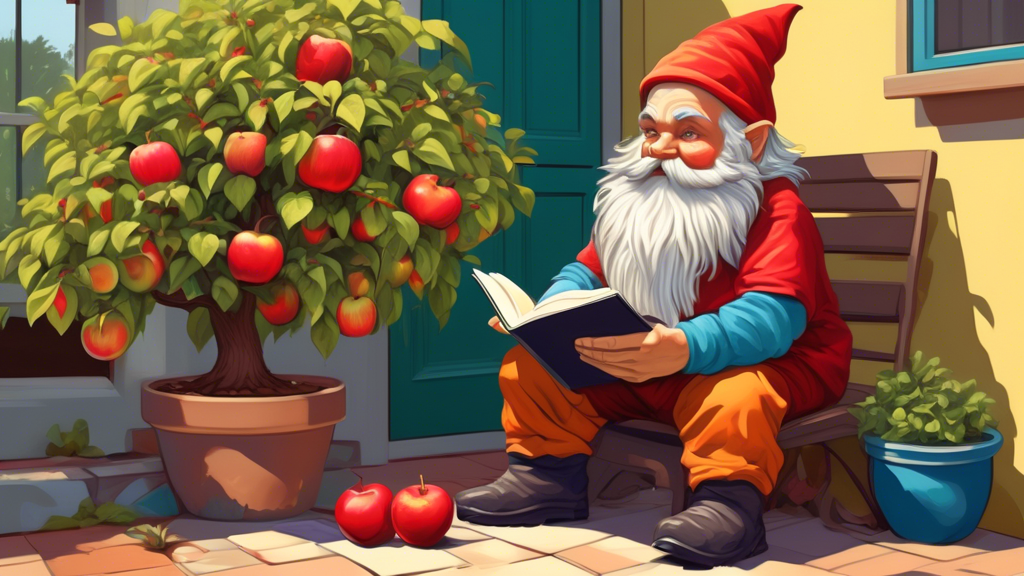
- “I only have a patio or balcony.” These trees are bred to thrive in containers, bringing fruit production to any sunny spot.
- “I want to harvest fruit without a ladder.” Most dwarf trees mature at a manageable 6-10 feet tall, putting all the fruit within easy reach.
- “I want a quicker harvest.” Dwarf varieties often bear fruit 1-3 years sooner than their standard-sized counterparts.
Benefits Beyond Saving Space
The advantages of dwarf fruit trees extend far beyond their compact size.
- Simplified Maintenance: Their smaller stature makes tasks like pruning, pest control, and netting against birds significantly easier.
- The “Fruit Salad” Tree: You can find trees with multiple compatible varieties grafted onto a single trunk, allowing you to harvest different types of fruit from one plant.
- Ultimate Flexibility: Container-grown trees can be moved to chase the sun, provide shelter from harsh winds, or even be brought indoors temporarily to protect from a sudden frost.
Our Picks: The Best Dwarf Fruit Tree Varieties
Dwarf Apple Trees
A classic choice for cooler climates, dwarf apple trees are reliable and productive.
- Popular Varieties: ‘Gala’, ‘Fuji’, ‘Granny Smith’
- Unique Insight: While most apples require a second, different variety for cross-pollination, some are self-fertile. The ‘Beverly Hills’ apple, for example, can produce a crop on its own, a fact that can simplify planning for a very small garden.
Dwarf Citrus Trees (Perfect for Containers)
Ideal for sunny patios and can even be grown indoors with sufficient light.
- Popular Varieties: Improved Meyer Lemon, Bearss Lime, Calamondin Orange
- Unique Insight: The beloved Meyer Lemon is not a true lemon but a hybrid between a lemon and a mandarin orange. This is why its fruit is sweeter, less acidic, and has a thin, fragrant skin that is excellent for culinary use.
Dwarf Stone Fruit Trees
These trees, which bear fruit with a single large “stone” or pit, are summer favorites.
- Popular Varieties: ‘Stella’ Cherry (self-fertile), ‘Elberta’ Peach, ‘Pixie’ Plum
- Unique Insight: Look for “Genetic Dwarf” or “Patio” peaches, like the ‘Bonanza’ variety. These are naturally small and bushy due to their genetics, not just from being grafted onto dwarfing rootstock, making them exceptionally sturdy and well-suited for container life.
Unique & Ornamental Dwarf Trees
For the gardener looking for something different, these trees offer beauty and unique flavors.
- Popular Varieties: Dwarf Pomegranate (‘Nana’), Dwarf Fig (‘Little Miss Figgy’), Dwarf Mulberry
Dwarf vs. Semi-Dwarf: What’s the Difference?
Understanding the terminology is key to selecting the right tree for your space.
| Feature | Dwarf Trees | Semi-Dwarf Trees |
|---|---|---|
| Mature Height | 6-10 feet | 10-16 feet |
| How It’s Achieved | Grafted onto very controlling rootstock (e.g., Malling 9 for apples). | Grafted onto moderately controlling rootstock. |
| Ideal For | Primary container growing; the very smallest spaces like balconies. | Small in-ground yards where a slightly larger tree is acceptable. |
Success Secrets: Planting and Caring for Your Trees
Choosing the Right Container and Soil
Getting the foundation right is critical for a healthy, productive tree.
- Container: Start with a 15-20 gallon pot with excellent drainage holes. Material (plastic, wood, ceramic) affects weight and moisture retention.
- Soil: Never use garden soil in a container. It compacts and hinders drainage. Always use a high-quality, well-draining potting mix.
The Art of Watering and Feeding
Container plants have different needs than in-ground plants.
- Watering: Container trees dry out quickly. Check soil moisture by sticking your finger 2 inches deep. Water thoroughly when it feels dry.
- Feeding: Potted trees exhaust nutrients faster. Use a balanced, slow-release fertilizer or a fertilizer formulated for fruit trees according to the package schedule, typically in early spring and midsummer.
Sunlight, Pruning, and Winter Care
These three factors are non-negotiable for success.
- Sunlight: Fruit trees require a minimum of 6-8 hours of direct sunlight daily to produce energy for flowers and fruit.
- Pruning: Annual pruning is essential to maintain the tree’s shape, remove dead or diseased wood, and encourage the growth of new fruiting wood.
- Winter Care: In cold climates, protect container trees from freezing roots. Insulate the pot by wrapping it in bubble wrap or burlap, or move the tree to an unheated garage or shed.
Frequently Asked Questions (FAQs)
How long does it take for a dwarf fruit tree to bear fruit?
While you’ll get fruit much faster than with a standard tree, patience is still required. Most dwarf fruit trees will begin to bear fruit 2 to 5 years after planting, depending on the type and variety.
Can I grow a dwarf fruit tree from seed?
No. Dwarf trees are created by grafting a fruiting variety (scion) onto a dwarfing rootstock. A tree grown from seed will not inherit the dwarfing characteristic and will revert to its standard, large size, making it unsuitable for a small space or container.
Do I need two trees for pollination?
It depends on the tree. Some varieties, like many figs, sour cherries, and peaches, are self-fertile and can pollinate themselves. However, many apples, pears, plums, and sweet cherries require a second, different variety blooming at the same time nearby for cross-pollination. Always check the specific requirements of the variety you choose.
How often do I need to re-pot a dwarf fruit tree?
Plan to re-pot your tree every 2 to 4 years, or when you see roots circling the inside of the pot or growing out of the drainage holes. You can refresh the soil in the same pot or move it to a slightly larger one to encourage further growth.
Growing your own fruit is an incredibly rewarding experience, and with dwarf fruit trees, it’s an opportunity available to everyone, regardless of space. By selecting the right variety and providing proper care, you can enjoy the taste of fresh, homegrown fruit from your own mini-orchard for years to come.