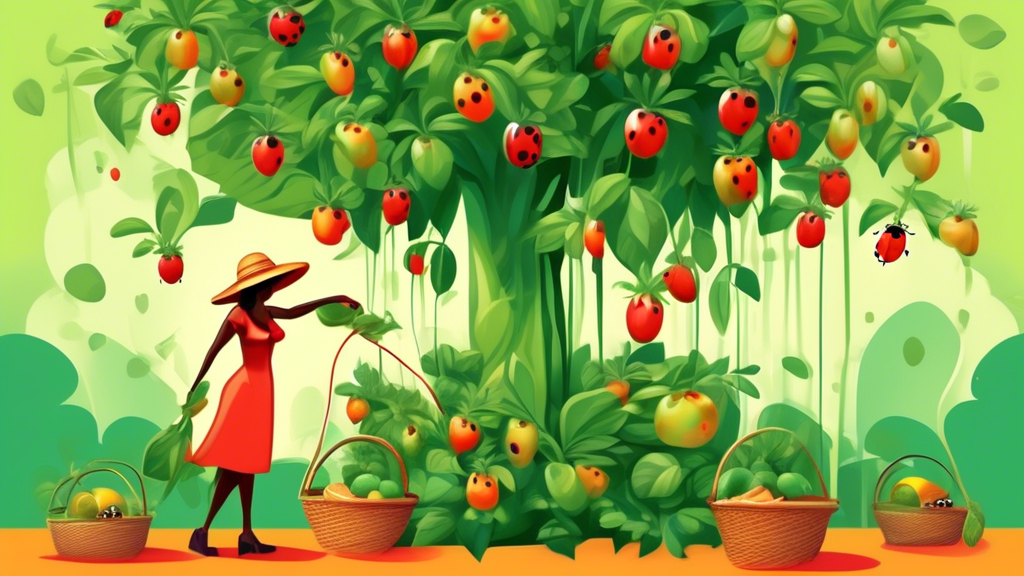
Why Go Organic? The Benefits Beyond the Harvest
Choosing organic methods for your fruit trees isn’t just about avoiding chemicals; it’s about embracing a holistic approach to gardening that yields profound benefits for your health, your trees, and the environment.
For Your Family’s Health
By eliminating synthetic pesticides, you ensure the fruit your family eats is free from harmful chemical residues, providing peace of mind and pure, natural nutrition.
For a Thriving Ecosystem
Organic practices create a sanctuary for pollinators like bees and butterflies, as well as beneficial insects that naturally control pest populations, fostering biodiversity in your garden.
For Long-Term Tree Health
Focusing on soil vitality and tree resilience through organic care leads to stronger trees capable of withstanding stressors, reducing the need for interventions over time.
The Proactive Foundation: Prevention is the Best Cure
A robust, preventative strategy is the cornerstone of organic pest and disease management, saving you time and effort by addressing issues before they escalate.
The Right Tree, Right Place
Selecting disease-resistant varieties suited to your climate and ensuring proper planting locations with adequate sunlight and airflow can prevent many common issues.
Pruning for Health, Not Just Shape
Strategic pruning opens the canopy to sunlight and improves air circulation, which is crucial for minimizing fungal diseases and promoting overall tree vigor.
Building Soil Health from the Ground Up
Enriching soil with compost, organic mulches, and cover crops builds a rich microbial ecosystem that supports strong root systems and naturally resilient trees.
The Unique Insight: Plant a “Sacrificial” Tree
An often-overlooked strategy is to plant a decoy tree that attracts pests away from your primary fruit trees. For instance, planting a mulberry can lure Japanese beetles, protecting your peaches and plums from significant damage.
Identifying the Invaders: Common Fruit Tree Pests & Diseases
Accurate identification is the first step toward effective organic management. Here are some frequent offenders in the orchard.
The Usual Suspects (Pests)
Aphids, Codling Moths, Plum Curculio, Scale insects, and Japanese Beetles are among the most common pests that target fruit trees, each requiring specific organic countermeasures.
The Common Culprits (Diseases)
Diseases like Apple Scab, Powdery Mildew, Fire Blight, and Brown Rot can devastate crops if not managed early with cultural and organic treatments.
Your Organic Arsenal: Direct Intervention Methods
When prevention isn’t enough, these organic tools and techniques allow you to tackle pests and diseases directly, safely, and effectively.
Physical & Mechanical Controls
For immediate action against visible pests, methods like dormant oil sprays, kaolin clay barriers, and manual removal provide quick, non-toxic relief.
| Method | Best For | Application Tips |
|---|---|---|
| Dormant Oil | Overwintering pests, scale, mites | Apply in late winter before bud break |
| Kaolin Clay | General insect repellent, sunburn | Spray evenly to coat leaves and fruit |
| Hand-Picking | Larger pests like beetles, caterpillars | Check trees daily during peak season |
Biological Controls: Enlisting Nature’s Army
Harness the power of natural predators by attracting beneficial insects, birds, and bats, which provide ongoing pest control with minimal effort on your part.
Homemade & Botanical Sprays
For a DIY approach, neem oil, horticultural soap, and homemade garlic or chili sprays offer effective, safe solutions for repelling and eliminating pests and fungi.
Organic vs. Conventional: A Clear-Cut Comparison
Understanding the differences between organic and conventional methods helps you make informed decisions for your orchard’s health and sustainability.
| Aspect | Organic Methods | Conventional Methods |
|---|---|---|
| Environmental Impact | Supports biodiversity, improves soil health | Can harm non-target species, soil degradation |
| Human Health | No toxic residues, safer for families and pets | Risk of chemical exposure on fruit and in soil |
| Cost Over Time | Lower long-term input costs, sustainable | Recurring expense for chemicals, potential for resistance |
| Efficacy | Builds resilience, may take longer to show results | Rapid action, but can lead to pest resistance |
Frequently Asked Questions (FAQs)
Are organic methods really as effective as chemical pesticides?
Yes, when implemented consistently and as part of an integrated approach. Organic methods focus on long-term ecosystem health, which can lead to sustained pest and disease control without the negative side effects of chemicals.
When is the best time to start applying organic pest controls?
Begin in late winter with dormant oils and cultural practices like pruning and sanitation. Early intervention prevents pests and diseases from gaining a foothold.
My tree is already infected. Is it too late to go organic?
Not at all. Start by removing and destroying infected material to prevent spread, then apply organic treatments like neem oil or compost tea to support the tree’s recovery and bolster its defenses.
What is the one most important thing I can do for my fruit trees?
Prioritize soil health. Healthy, living soil is the foundation of tree vitality, enabling your trees to access nutrients and resist pests and diseases naturally.
Conclusion: Cultivating Patience and a Healthy Harvest
Mastering organic methods for managing pests and diseases in fruit trees is a rewarding journey that emphasizes observation, patience, and harmony with nature. By building a resilient orchard ecosystem, you’ll enjoy bountiful, healthy harvests for years to come.