Why Your Fruit Tree is Lonely: The Problems Companions Solve
Many gardeners plant a fruit tree and wonder why it struggles despite their best efforts. The issue often isn’t the tree itself, but the barren, competitive environment it’s placed in. Here are the common struggles companion plants can alleviate.
The Struggle for Nutrients
A solitary fruit tree surrounded by grass or weeds is in a constant battle. These plants compete aggressively for the same water and nutrients in the top layer of soil, often leaving the tree with insufficient resources, leading to stunted growth and pale leaves.
The Pest Invasion
Fruit trees are magnets for specific pests like aphids, codling moths, and borers. When planted alone, they stand out, making them an easy target. A monoculture is a buffet for pests, while a diverse planting creates a complex environment that confuses and repels them.
Poor Pollination and Fruit Set
You might see blossoms, but little fruit. This is often due to a lack of pollinators. A tree in the middle of a lawn offers no incentive for bees and other beneficial insects to stick around, leading to poor pollination and disappointing yields.
Soil Erosion and Compaction
Bare soil beneath a tree is vulnerable. Rain compacts it, and water runs off instead of soaking in, eroding precious topsoil. This hardpan layer restricts root growth and oxygen, slowly suffocating your tree.
The Ultimate Companions: Categorizing Your Helpers
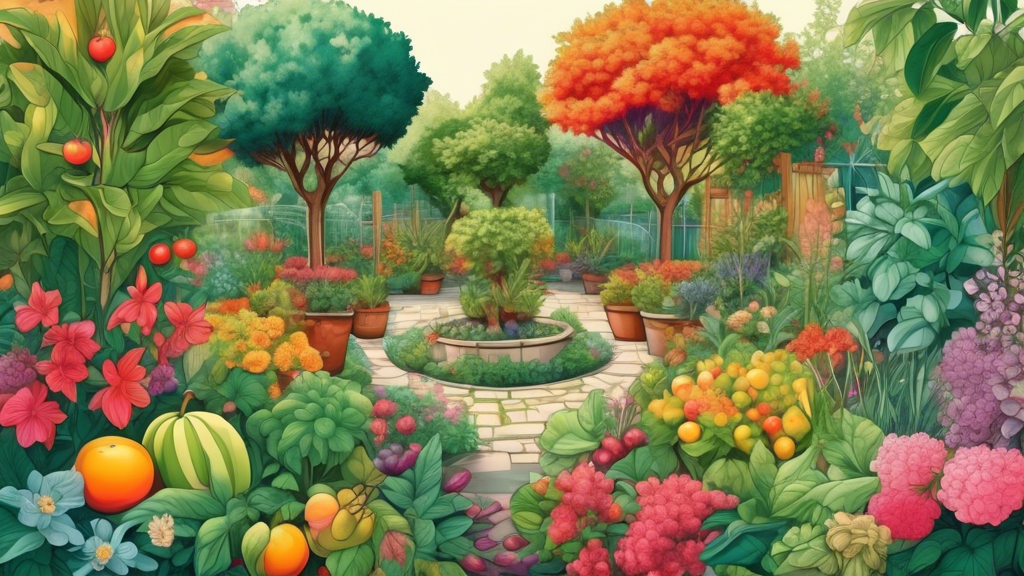
Companion plants are not random; they serve specific, powerful functions in your orchard’s ecosystem. Think of them as your tree’s personal support staff.
The Nitrogen-Fixers: Natural Fertilizers
These plants work with soil bacteria to pull nitrogen from the air and convert it into a form your tree can use. They are the cornerstone of a self-fertilizing system.
- Plants: White Clover, Crimson Clover, Alfalfa, Fava Beans (as an understory crop).
- How they work: They host rhizobia bacteria in root nodules that “fix” atmospheric nitrogen, enriching the soil for the heavy-feeding fruit tree.
The Pest-Repellents: Your Garden’s Bodyguards
These companions use strong aromas or act as trap crops to protect your tree from harmful insects.
- Plants: Chives, Garlic, and Onions (deter borers and aphids), Nasturtiums (trap crop for aphids), Tansy (deters ants and flying insects).
- How they work: Their potent scents mask the aroma of the fruit tree, making it harder for pests to find. Nasturtiums, conversely, are so attractive to aphids that they lure them away from the tree.
The Pollinator Magnets: Bringing in the Bees
To get fruit, you need flowers to be visited. These plants ensure pollinators are always present in your garden.
- Plants: Borage, Comfrey, Lavender, Rosemary, Calendula.
- How they work: They produce nectar and pollen throughout a long season, creating a reliable food source that keeps bees, hoverflies, and other pollinators living in your orchard.
The Dynamic Accumulators: Mining for Minerals
This is a unique and often overlooked function. These plants have deep taproots that act like nutrient pumps.
- Plants: Comfrey (especially Bocking 14), Yarrow, Borage, Dandelion.
- How they work: Their roots penetrate deep into the subsoil, accessing minerals like potassium, calcium, phosphorus, and magnesium that are beyond the reach of your tree’s roots. When you cut the leaves and let them decompose on the surface (a technique called “chop and drop”), these mined nutrients become a slow-release, natural fertilizer directly available to the tree.
Companion Planting Showdown: Helpful vs. Harmful
Not all plants play well together. Choosing the right allies is crucial for a thriving guild.
The All-Star Team (A Sample Guild)
Here is an example of a powerful plant community, or “guild,” for a common fruit tree.
| Tree | Companion Plants | Function in the Guild |
|---|---|---|
| Apple Tree | Comfrey, Chives, White Clover, Daffodils |
|
Plants to Keep Away From Your Fruit Trees
Some plants can actively harm your tree’s health and should be planted well outside the drip line (the area under the outermost branches).
- Potatoes & Tomatoes: As members of the nightshade family, they can harbor and spread blight, which can affect your fruit trees.
- Black Walnut Trees: They release a toxic compound called juglone from their roots, which inhibits the growth of many plants, including apples and pears.
- Tall, Aggressive Shrubs (e.g., Forsythia, Lilac): These will compete fiercely with your young tree for sunlight, water, and nutrients, significantly hindering its establishment.
Implementing Your Fruit Tree Guild: A Step-by-Step Guide
Ready to build your own ecosystem? Follow these steps to get started.
Step 1: Assess Your Tree and Soil
Look at your tree’s age and health. Is the soil compacted? What is the biggest issue you’re facing (pests, poor growth, etc.)? This will guide your plant selection.
Step 2: Choose Your Companions Based on Your Biggest Challenge
Use the categories above. If pests are the main issue, focus on repellents. For poor soil, start with nitrogen-fixers and dynamic accumulators.
Step 3: Planting and Spacing (The “Drip Line” Rule)
The most active tree roots are in the area from the trunk to the drip line and slightly beyond. This is the prime real estate for your companions. Avoid planting directly against the trunk to prevent rot.
Step 4: Ongoing Maintenance and “Chop & Drop” Mulching
Water new companions until established. The primary maintenance is “chop and drop”—periodically cutting back the leafy growth of your companions (especially accumulators like comfrey) and dropping it on the soil as nutrient-rich mulch.
Frequently Asked Questions About Fruit Tree Companions
Can I just use companion plants instead of fertilizing?
For a young tree, you may still need to supplement as its root system and the companion guild establish themselves. However, a mature, well-designed guild can create a closed-loop system that significantly reduces or even eliminates the need for external fertilizers, as it continuously feeds the soil.
Will these companion plants compete with my tree for water?
This is a common concern, but the opposite is often true. Properly selected, low-growing ground covers create a “living mulch” that shades the soil, dramatically reducing water loss from evaporation. Their roots also help to break up compacted soil, improving water infiltration.
Is it too late to plant companions under an established, mature tree?
It’s never too late to improve your tree’s environment! Start gently by introducing a few tough, shade-tolerant plants like clover or comfrey. Even small additions will immediately begin improving soil structure and attracting beneficial biology.
What is the single best companion plant to start with?
For a beginner, White Clover is an excellent choice. It’s resilient, fixes nitrogen, suppresses weeds, attracts pollinators, and acts as a living mulch. It’s a true multi-tasker that provides a solid foundation for building a more complex guild to enhance your fruit tree’s growth and yield.