Why Your Garden Needs an Army of Beneficial Insects
The Problem with Chemical Pesticides
Many gardeners reach for chemical sprays at the first sign of pests, but this creates a cascade of problems. These pesticides are non-discriminatory, wiping out the beneficial insects that are your natural allies. This leads to pest populations developing resistance, forcing you to use stronger chemicals. Furthermore, these toxins leach into the soil, harming its microbiome, and can poison the pollinators essential for your fruits and vegetables to develop.
How Beneficial Insects Work for You
Instead of fighting nature, you can recruit it. Beneficial insects fall into three main categories, each with a specific job in your garden’s ecosystem.
The Predators: Ladybugs, Lacewings, and Praying Mantises
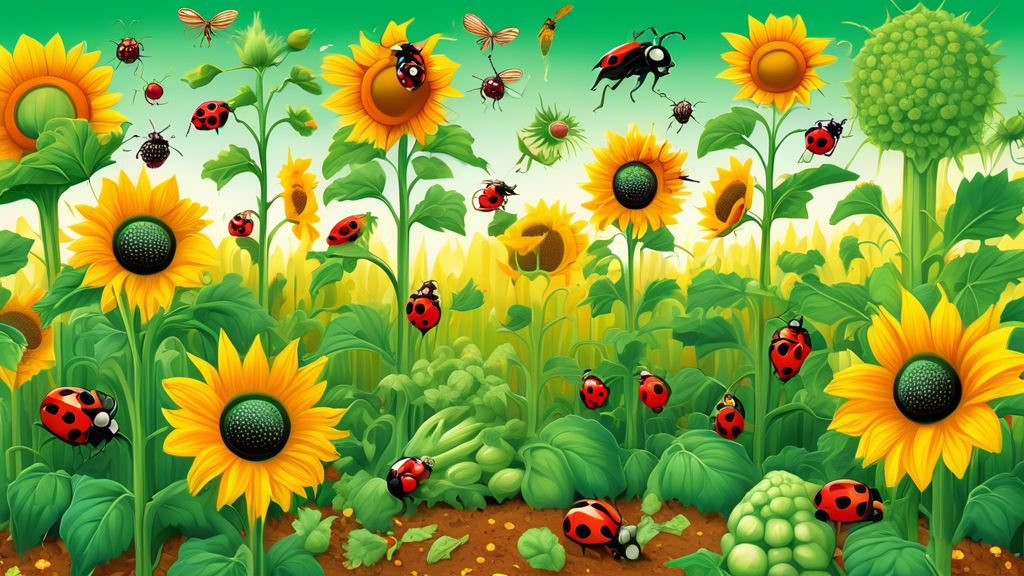
These are the hunters. A single ladybug larva can consume up to 40 aphids per hour. Lacewing larvae, often called “aphid lions,” are equally voracious. They actively seek out and consume soft-bodied pests like aphids, mites, thrips, and small caterpillars.
The Pollinators: Bees and Hoverflies
While we value bees for pollinating our crops, hoverflies are dual-purpose heroes. The adults are excellent pollinators, while their larvae are fierce predators of aphids. By attracting them, you directly increase your fruit set and vegetable yield while simultaneously controlling pests.
The Parasitoids: Parasitic Wasps
This is nature’s most sophisticated pest control. Tiny, non-stinging parasitic wasps lay their eggs inside or on pest insects like caterpillars and aphids. The developing wasp larva consumes the host from the inside, providing a gruesomely effective and self-perpetuating control method.
Core Principles of Using Companion Planting to Attract Beneficial Insects
It’s All About the Flowers: The Power of Nectar and Pollen
A crucial, often-missed detail is that while the larvae of many beneficial insects are predatory, the adults often feed solely on nectar and pollen. Planting the right flowers isn’t just a nice addition; it’s the fuel station that keeps your pest control army alive, healthy, and reproducing in your garden.
Providing Shelter and Habitat
Insects need shelter from weather and predators, as well as a safe place to overwinter and lay eggs. Dense, low-growing plants, perennial herbs, and even small piles of leaves or rocks can provide this essential housing, encouraging beneficials to take up permanent residence.
Creating a Continuous Bloom Cycle
Your insects need food from early spring to late fall. Plan your garden so that as one “insectary” plant finishes blooming, another begins. This ensures a consistent food source, preventing your beneficial insect population from leaving to find nectar elsewhere.
Your Go-To Guide: Companion Plants That Are Insect Magnets
The A-List Plants for Attracting Beneficial Insects
Certain plant families are exceptionally good at attracting the insects you want. Here are the top performers.
Dill, Fennel, and Cilantro (Umbellifers)
Plants in the carrot family, with their large, flat-topped flower clusters (umbels), are a paradise for hoverflies and parasitic wasps. The complex flowers provide an easy-to-access landing pad and a rich source of nectar.
Sweet Alyssum and Buckwheat
These are ideal as low-growing ground covers or living mulch. Their tiny, prolific flowers attract hoverflies and provide shelter for ground-dwelling predators like predatory beetles and spiders.
Sunflowers and Goldenrod
These are late-season powerhouses. When other flowers are fading, they provide a critical last meal for beneficial insects, helping them build energy reserves for overwintering.
Yarrow and Daisies (Asters)
Plants with composite flowers, like those in the aster family, attract a wide variety of beneficials, including ladybugs, lacewings, and parasitic wasps. Their structure offers both food and a perfect perch.
Strategic Companion Planting Pairings for Common Garden Pests
Here’s how to target specific pests with strategic plant partnerships.
| Target Pest | Vulnerable Crop | Companion Plants to Add | Beneficial Insects Attracted |
|---|---|---|---|
| Aphids | Tomatoes, Roses | Nasturtiums (trap crop), Cilantro, Sweet Alyssum | Ladybugs, Hoverflies, Lacewings |
| Tomato Hornworms / Cabbage Loopers | Tomatoes, Broccoli, Cabbage | Dill, Fennel, Marigolds, Dill | Parasitic Wasps (especially the Braconid wasp) |
| Squash Bugs | Squash, Zucchini, Pumpkins | Nasturtiums, Tansy, Radishes | Tachinid Flies, Spiders |
| Whiteflies | Brassicas, Tomatoes | French Marigolds, Sweet Alyssum | Ladybugs, Lacewings |
What You Might Not Know: Advanced Tips for Success
The “Sacrificial” or “Trap” Crop Strategy
Go beyond simple pairing. Intentionally plant a crop that pests love more than your main vegetables. For example, nasturtiums are a magnet for aphids. By planting them near your prized tomatoes, you lure the aphids away, creating a concentrated buffet that is easier for your beneficial insects to manage.
Don’t Be Too Tidy!
A perfectly manicured garden is a desert for beneficial insects. Leaving some leaf litter, spent flower stalks, and a few “weedy” corners provides crucial overwintering habitat for insect eggs, pupae, and adults. This ensures your pest control army is already in place when spring arrives.
It’s Not Just About Repelling—It’s About Recruiting
Many gardeners focus on plants that repel pests (like the strong scent of marigolds). However, the real power of using companion planting to attract beneficial insects is the shift from a defensive to an offensive strategy. You are not just discouraging pests; you are actively recruiting, feeding, and housing a permanent, self-sustaining pest control army that works for you 24/7.
Common Companion Planting Mistakes to Avoid
- Planting Too Few Insectary Plants: One or two marigolds won’t cut it. You need a critical mass of flowers to produce enough scent and nectar to attract and sustain a population.
- Using Broad-Spectrum Insecticides: Even organic options like neem oil or pyrethrin can harm or kill the beneficial insects you’re trying to attract. Use them only as a last resort and spot-treat problems.
- Ignoring Plant Needs: Don’t plant a sun-loving, drought-tolerant flower like yarrow next to a thirsty squash plant. Ensure your companion plants have similar water, light, and soil requirements to thrive together.
Frequently Asked Questions
How long does it take to see results?
You may notice an increase in insect activity within a few weeks of adding flowering companions. However, it often takes a full season for predator and parasitoid populations to establish and build to levels where they make a significant impact on pest numbers. Be patient; you are building an ecosystem.
Will I still have any pest damage?
Yes, and you should! The goal is not total eradication but ecological balance. A small number of pests is necessary to provide a food source that keeps your beneficial insect population living and breeding in your garden. Think of it as maintaining the food chain in your backyard.
Can I do this in a small garden or containers?
Absolutely. Interplanting is key. Add pots of sweet alyssum, dwarf marigolds, or herbs like cilantro and dill directly among your vegetable plants. Even a small cluster of flowers can serve as a valuable refueling station for traveling beneficial insects.
Are there any plants I should avoid that repel beneficial insects?
Most discussions focus on what to plant, but some plants can be counterproductive. For instance, the herb Rue is known to repel certain beneficial insects like ladybugs. It’s best to research specific plant interactions if you plan to use strong-scented repellent plants extensively.
Getting Started: Your First-Year Action Plan
- Start Small: Don’t overwhelm yourself. Choose 2-3 of the most proven pairings from the table above, like tomatoes with basil and marigolds, or broccoli with dill.
- Incorporate Flowers: Select a mix of early, mid, and late-season blooming flowers from the “A-List” to ensure a continuous food supply. Sweet Alyssum and Calendula are fantastic and easy choices for beginners.
- Observe and Learn: Spend time in your garden watching the insects. Learn to identify the good guys from the bad. Your observations will be your best guide for refining your strategy in year two.