Why Start Composting? The “Why” Behind the Pile
Transform Your Trash into Garden Gold
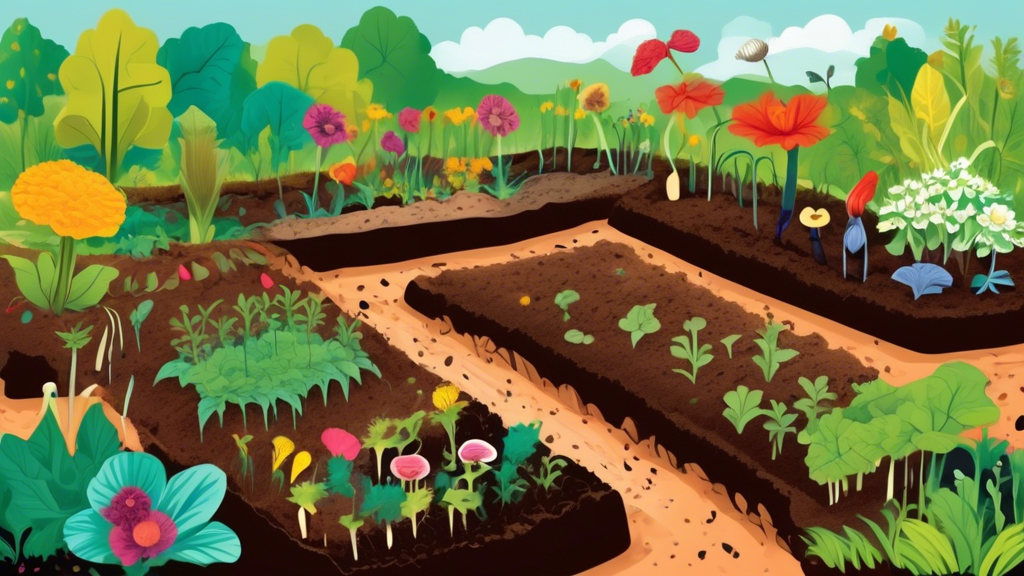
Composting is the ultimate form of recycling, turning your everyday kitchen and yard waste into a dark, crumbly, nutrient-rich material called humus. This “black gold” is a powerhouse for your garden, improving soil structure, helping it retain moisture, and reducing the need for chemical fertilizers.
Make a Direct Impact on the Environment
When organic waste like food scraps ends up in a landfill, it decomposes without oxygen, producing methane, a potent greenhouse gas. By composting, you’re diverting this waste, reducing landfill mass, and closing the natural nutrient loop right in your own backyard.
Overcoming Common Composting Hurdles
“But Won’t It Smell Bad?”
A properly maintained compost pile should have a pleasant, earthy aroma, not a foul odor. Unpleasant smells are usually a sign of an imbalance, often too many “green” nitrogen-rich materials and not enough “brown” carbon-rich materials, or a lack of oxygen.
“I’m Worried About Pests and Critters.”
Pests are attracted to easily accessible food, especially meat, dairy, and oily foods, which you should not compost. Using a enclosed bin with a lid and a base of hardware cloth, and burying new food scraps under a layer of browns like leaves or shredded paper, will effectively deter unwanted visitors.
“I Don’t Have a Big Yard or Any Outdoor Space.”
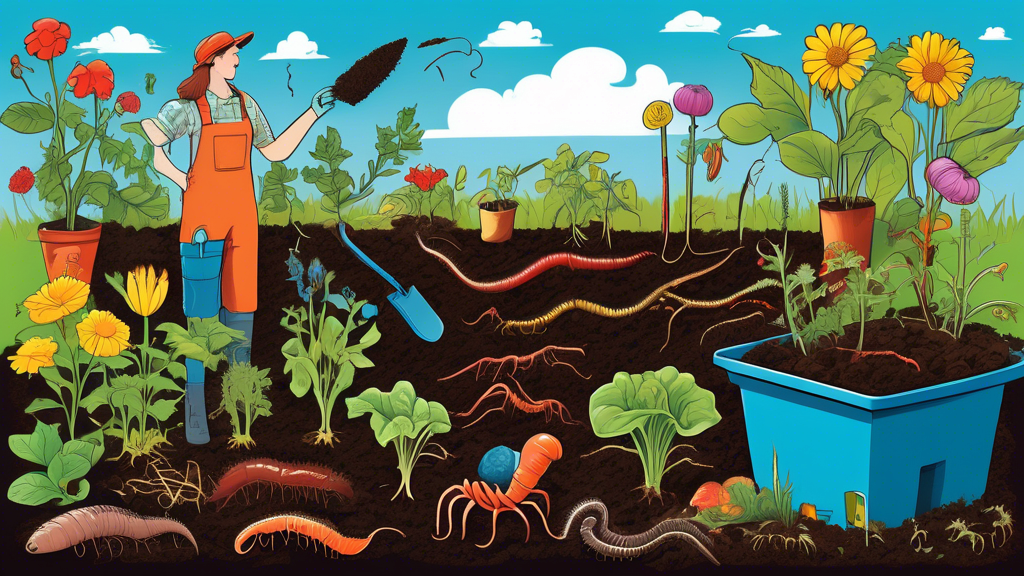
Lack of space is no longer a barrier to composting. Methods like worm bins (vermicomposting) are perfect for apartments and balconies, and electric countertop composters can transform scraps into fertilizer in a matter of hours, with minimal odor.
The Simple Science: What You’re Actually Doing
The Four Key Ingredients for Success
Think of composting as a recipe where you need to balance four key ingredients:
- Greens (Nitrogen): Provide protein for microorganisms. Examples: fruit and vegetable scraps, coffee grounds, fresh grass clippings.
- Browns (Carbon): Provide energy for microorganisms. Examples: dry leaves, cardboard, paper, straw.
- Water (Moisture): Essential for microbial life. Your pile should feel like a wrung-out sponge.
- Air (Oxygen): Necessary for aerobic decomposition, which prevents odors.
You Can Compost More Than You Think
Beyond the usual fruit peels, many everyday household items are compostable gold. A unique tip many beginners don’t know is that you can compost:
- 100% Cotton Balls & Q-Tips (with cardboard sticks, not plastic).
- Human & Pet Hair (a fantastic, slow-release source of nitrogen).
- Dryer Lint (but only from natural fiber clothing like cotton and wool).
- Crushed Eggshells (they add valuable calcium to your soil, though they decompose slowly).
- Paper Tea Bags (just remember to remove the staple first!).
Choosing Your Composting Method: A Side-by-Side Comparison
| Method | Best For | Pros | Cons |
|---|---|---|---|
| The Classic Compost Pile or Bin | Homeowners with a yard. | Very low cost, large capacity. | Slower process, requires more space. |
| The Tumbler | Those who want faster results and easy turning. | Contained, easy to mix, highly rodent-resistant. | More expensive, limited capacity. |
| Worm Bin (Vermicomposting) | Apartments, small patios, indoor composting. | Works year-round, fast for kitchen scraps, produces liquid fertilizer (“worm tea”). | Requires managing the worm population, sensitive to temperature extremes. |
Your Step-by-Step Action Plan to Start Today
- Select Your Spot & System: Choose a dry, shady spot near a water source if outdoors. Select a bin that fits your space and needs.
- Build Your Base: Start with a 4-6 inch layer of coarse browns (like small twigs) to aid drainage and aeration at the bottom.
- Add Your Ingredients: Alternate layers of greens and browns. A good rule of thumb is a 1:2 or 1:3 ratio of greens to browns.
- Moisten and Mix: As you build your pile, moisten each layer. Turn or mix the pile every week or two to introduce oxygen.
- Harvest Your Compost: Your compost is ready when it’s dark, crumbly, and has a sweet, earthy smell. This can take anywhere from 2 months to a year.
What Goes In (And What Stays Out): The Ultimate Lists
The Green Light List (YES!)
- Fruit and vegetable scraps
- Coffee grounds and paper filters
- Tea bags (paper, staple removed)
- Grass clippings (in thin layers)
- Garden plant trimmings
The Red Light List (AVOID!)
- Meat, fish, and bones
- Dairy products (cheese, milk, yogurt)
- Fats, oils, and grease
- Diseased plants
- Pet waste (dog/cat feces)
- Glossy or heavily inked paper
Composting 101: Frequently Asked Questions (FAQs)
How long does it take to make compost?
The timeframe varies widely based on your method, the balance of materials, and how often you turn the pile. A well-maintained tumbler can produce compost in 2-3 months, while a passive pile may take 6 months to a year.
My compost pile isn’t heating up. What’s wrong?
A cool pile is often a sign of one of three issues: it’s too dry and needs moisture, it needs more nitrogen-rich “greens” to fuel the microbes, or it needs to be turned to incorporate more oxygen.
Can I compost in the winter?
Absolutely! While the decomposition process slows down significantly in freezing temperatures, it doesn’t stop entirely. Insulating your bin with straw bales or moving a worm bin indoors can keep the process going.
Are there any tools I need to get started?
You can start with just a container and your scraps. A garden fork or a specialized compost aerator makes turning the pile much easier, and a small kitchen caddy is convenient for collecting scraps indoors.
Conclusion: Your Composting Journey Begins Now
Starting your own compost is one of the most rewarding and impactful habits you can adopt for your garden and the planet. It’s simpler than it seems, and the benefits are immense. Don’t wait for the perfect moment—your first step can be as simple as saving your next coffee grounds or eggshells. Welcome to the wonderful world of composting!