Shade Gardening Tips for Lush Greenery: Your Guide to a Thriving Oasis
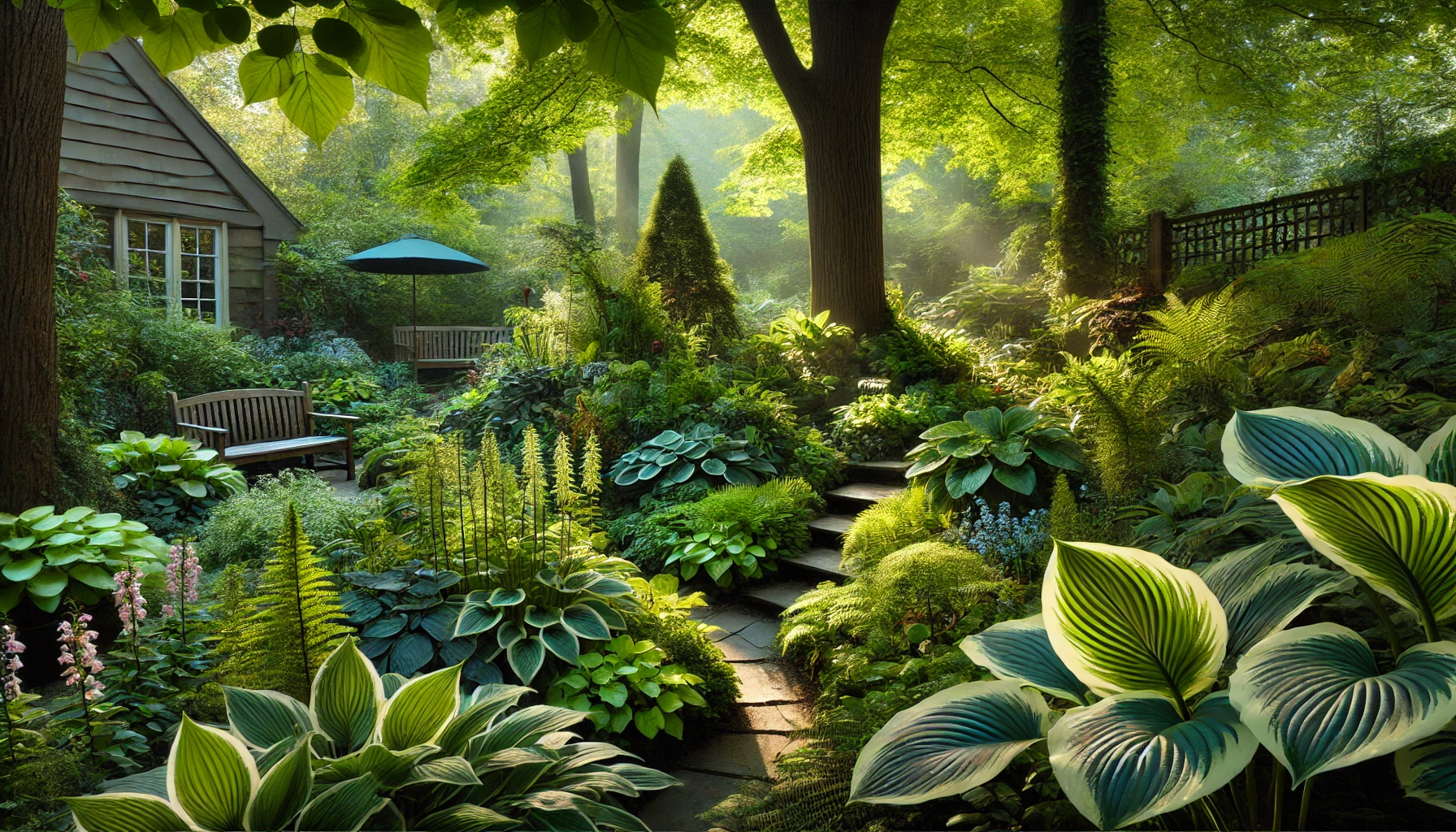
Welcome to the serene world of shade gardening. Far from being a limitation, a shaded space offers a unique opportunity to create a cool, texturally rich, and deeply calming retreat. This guide provides actionable shade gardening tips for lush greenery, transforming your dimmest corners into vibrant, living art.
Understanding Your Shade: It’s Not All the Same
The first step to a successful garden is diagnosing the type of shade you have. Not all shade is created equal.
Defining the Different Types of Shade
- Light/Filtered Shade: Sunlight is dappled through a high tree canopy, like under a Birch or Honey Locust.
- Partial/Medium Shade: The area receives about 3 to 6 hours of sun, often the gentler morning sun.
- Full/Dense Shade: Less than 3 hours of direct sun, typically found on the north side of a house or under dense evergreens like spruce trees.
Unique Insight: The “quality” of shade is seasonal. A spot that is in full shade in the summer under a deciduous tree becomes full sun in winter after the leaves fall. This can stress some perennial plants that are expecting a consistent environment, so it’s a critical factor in plant selection.
Overcoming Common Shade Gardening Challenges
Every gardening situation has its hurdles. Here’s how to clear the most common ones in the shade.
“My Shade Garden Lacks Color and Vibrancy”
Solution: Shift your focus from flowers to foliage. Plants with variegated (striped, spotted), golden, silver, or deep burgundy leaves provide year-round color and visual drama that outlasts any bloom.
“Nothing Seems to Grow in My Deep Shade”
Solution: Don’t fight nature; work with it. Embrace the classic, hardy stalwarts of the shade garden. Hostas, Ferns, and Heuchera (Coral Bells) are proven performers. Give them a fighting chance by amending the soil with generous amounts of compost before planting.
“My Soil is Dry and Root-Infested”
Solution: Shade from large trees often comes with two problems: dry soil and intense root competition. Combat this with a dedicated, regular watering schedule for new plants and by applying a thick layer (2-3 inches) of organic mulch, like shredded bark, to help retain moisture and suppress weeds.
Essential Shade Gardening Tips for Lush Greenery
Master these fundamentals to build a healthy and beautiful shade garden.
Master Your Soil Preparation
Shade plants almost universally thrive in rich, well-draining soil. Amend your native soil with plenty of compost or leaf mold to boost fertility and improve texture.
Choose the Right Plants for Your Specific Conditions
This is the cornerstone of success. Always match the plant to the specific light and moisture conditions of your garden bed.
Layer Your Plants for a Fuller Look
Create a lush, multi-dimensional space by planting in tiers. Place taller shrubs or small trees in the background, mid-height perennials in the middle, and low-growing groundcovers at the front to fill every layer.
Shade Plant Showdown: Comparing Your Options
Making the right plant choice is easier when you can compare popular options side-by-side.
Hostas vs. Heucheras: The Foliage Champions
| Feature | Hosta | Heuchera (Coral Bells) |
|---|---|---|
| Foliage | Large, bold leaves; great for texture | Smaller, intricate leaves; vast color range |
| Pest Resistance | Often preferred by slugs and deer | Generally more slug-resistant |
| Best For | Making a dramatic statement | Adding pops of color and fine texture |
Impatiens vs. Begonias: Annuals for Pop
| Feature | Impatiens | Begonias |
|---|---|---|
| Water Needs | Need consistent moisture | More drought-tolerant |
| Features | Classic, prolific bloomer | Waxy leaves and flowers; various forms |
| Best For | Mass color in consistently moist beds | Containers and drier shade spots |
Ferns: A Comparison of Textures
- Japanese Painted Fern: Offers stunning silvery and burgundy hues for color beyond green.
- Autumn Fern: New fronds emerge a beautiful coppery-pink, maturing to a deep green.
- Ostrich Fern: Tall and statuesque, it creates an instant “woodland” feel and can form large colonies.
Pro-Level Secrets for an Extra Lush Garden
Unique Insight: To make your shade garden feel brighter and more vibrant, incorporate plants with reflective properties. Certain Hellebores and Cyclamen have leaves with a silvery, marbled pattern. This patterning doesn’t just look pretty—it acts like a mirror, capturing and reflecting the minimal available light deep into the plant’s canopy and onto neighboring plants. This little-known trick used by expert gardeners makes the entire space feel lighter and the greenery more luminous.
Frequently Asked Questions (FAQs)
Can I grow any vegetables in the shade?
Answer: Absolutely. While fruiting vegetables like tomatoes need full sun, many leafy greens thrive in partial shade. Lettuce, spinach, kale, arugula, and herbs like mint, chives, and parsley are excellent choices, as they are less likely to bolt (flower prematurely) in cooler conditions.
How often should I water a shade garden?
Answer: There’s no one-size-fits-all rule. You must check soil moisture regularly. While evaporation is slower in the shade, the roots of large trees will compete fiercely for water. A good guideline is to water deeply when the top inch of soil feels dry to the touch.
Do shade plants need fertilizer?
Answer: Yes, but typically less than sun-loving plants. Their growth rate is often slower. A single, light application of a balanced, slow-release fertilizer in early spring as they break dormancy is usually all that’s needed to support healthy growth throughout the season.
What is the best mulch for a shade garden?
Answer: Shredded bark or homemade leaf mold are the top choices. They are the closest mimics to a plant’s natural forest floor environment. They excel at retaining moisture, suppressing weeds, and, most importantly, slowly decomposing to add organic matter and improve soil structure naturally.
A shade garden is a unique and deeply rewarding canvas. By applying these shade gardening tips for lush greenery, you can transform any dim corner into a peaceful, textured, and thriving oasis. Embrace the cool calm of the shade and start planting your retreat today.