The Core Benefits of Composting for You and the Planet
Composting is a simple, powerful solution that transforms everyday waste into a valuable resource. Let’s explore the key advantages that make it worthwhile.
Supercharge Your Garden for Free
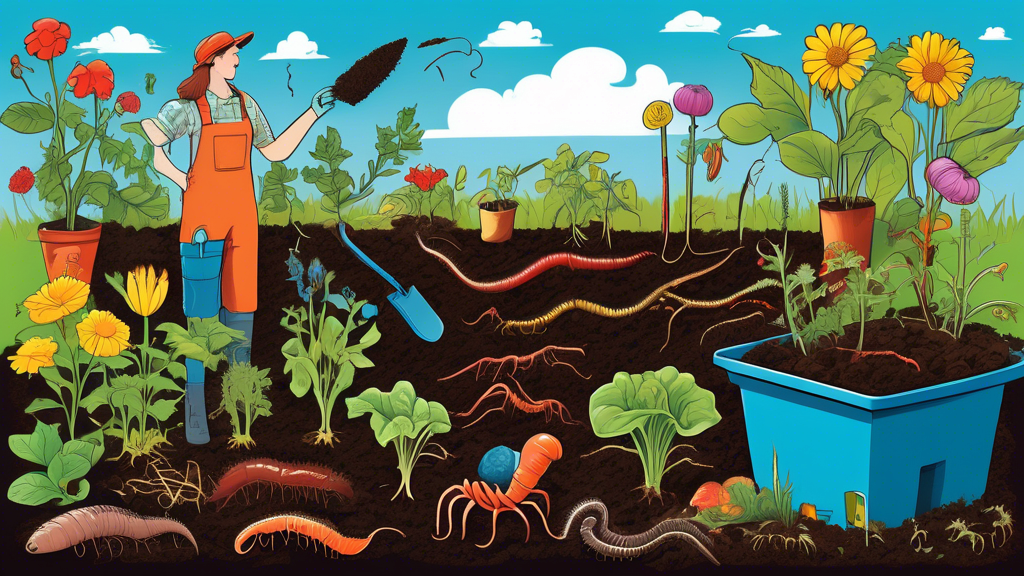
Tired of buying expensive fertilizers? Compost is a nutrient-rich, natural alternative that improves soil structure and boosts plant health. It introduces beneficial microbes that help plants develop stronger immune systems, reducing the need for pesticides.
Dramatically Reduce Your Household Waste
Up to 30% of household waste is compostable. By composting, you cut down on smelly trash and frequent trips to the curb. Plus, when organic matter breaks down in landfills without oxygen, it releases methane—a greenhouse gas 25 times more potent than CO2. Composting avoids this entirely.
Save Money on Trash Bags and Garden Supplies
Less trash means fewer trash bags, and “black gold” compost replaces store-bought soil amendments and fertilizers.
Compost vs. Chemical Fertilizers
| Aspect | Compost | Chemical Fertilizers |
|---|---|---|
| Nutrient Release | Slow-release, long-term soil health | Quick, synthetic boost |
| Environmental Impact | Improves soil biology and water retention | Can harm soil and cause water pollution |
| Cost | Free from household waste | Recurring expense |
Conserve Water and Protect Watersheds
Compost helps soil retain moisture, reducing your watering needs. It also acts as a natural filter, preventing pollutants from reaching groundwater.
Busting Common Composting Myths and Barriers
Let’s tackle the obstacles that might be holding you back.
“I Don’t Have the Space”: Composting in Apartments and Small Homes
Methods like bokashi bins or compact worm farms are perfect for small spaces and can fit under a sink or on a balcony.
“It’s Too Complicated/Smelly”: The Simple Science of a Balanced Pile
Maintain an easy “Greens vs. Browns” ratio. Greens (like kitchen scraps) provide nitrogen, and Browns (like dry leaves) provide carbon. A good balance prevents odors.
“It Attracts Pests”: How to Keep Your Compost Critter-Free
Bury food scraps under a layer of browns, use a lidded bin, and avoid composting meat, dairy, or oily foods.
Your Simple Guide to Start Composting Today
Ready to begin? Here’s how to get started easily.
Choosing Your Composting Method
| Method | Best For | Notes |
|---|---|---|
| Backyard Bin/Tumbler | Houses with outdoor space | Easy to turn and manage |
| Worm Farm (Vermicomposting) | Indoor/small-space composting | Uses worms to break down waste quickly |
| Bokashi Bucket | Kitchens, small homes | Fermentation process; can handle meat and dairy |
The Ultimate “Yes” and “No” List for Your Compost
| Yes! Compost These | No! Avoid These |
|---|---|
| Fruit and vegetable scraps | Meat and fish |
| Eggshells | Dairy products |
| Coffee grounds and filters | Oily or greasy foods |
| Yard trimmings | Diseased plants |
Frequently Asked Questions About Composting
How long does it take to make finished compost?
It can take from 2 months to a year, depending on the method and maintenance. Turning the pile regularly speeds up the process.
Can I compost if I don’t have a garden?
Yes! Offer compost to community gardens, neighbors, or use it for houseplants. Diverting waste from landfills is beneficial on its own.
What if my compost pile isn’t heating up?
This usually means the pile is too small, dry, or needs more nitrogen-rich materials. Add greens, turn the pile, and moisten it to the consistency of a wrung-out sponge.