Why Choose Drought-Tolerant Plants?
Challenges You’ll Overcome
Many gardeners face common hurdles that can make maintaining a beautiful outdoor space feel like a constant battle. High water bills can put a strain on your budget, especially during the hot summer months. Municipal water restrictions can leave you feeling helpless as your garden suffers. The time commitment required for frequent watering can be overwhelming. Furthermore, if you have sandy, rocky, or otherwise nutrient-poor soil, it can feel impossible to get anything to grow successfully.
Beyond Survival: The Aesthetic and Ecological Benefits
Choosing resilient plants isn’t just about solving problems; it’s about unlocking new possibilities. These gardens offer stunning year-round interest through sculptural forms, evergreen foliage, and attractive winter seed heads. They become a haven for local wildlife, providing essential nectar and pollen for bees, butterflies, and hummingbirds. You’ll also discover a rich palette of unique textures, from silvery leaves to fragrant herbs, that add depth and sophistication to your landscape.
Our Top Picks: Drought-Tolerant Plants for Every Garden Style
For Vibrant Color & Blooms
- Lavender (Lavandula): Famous for its fragrant purple spikes and silvery-green foliage. Thrives in full sun and well-drained soil.
- Coneflower (Echinacea): A tough North American native with daisy-like flowers that are a magnet for butterflies. Available in shades of purple, pink, and white.
- Blanket Flower (Gaillardia): Offers a spectacular show of fiery red and yellow blooms that persist throughout the summer.
- Russian Sage (Perovskia atriplicifolia): Produces airy, lavender-blue flower spikes on upright, silvery-white stems, adding a soft, hazy effect.
For Architectural Interest & Foliage
- Agave: A dramatic succulent that serves as a stunning focal point with its bold, geometric form (check cold hardiness for your zone).
- Ornamental Grasses (e.g., Fountain Grass, Blue Fescue): Introduce movement, sound, and fine texture that contrasts beautifully with other plants.
- Yucca: Features sharp, sword-like leaves and sends up towering flower spikes for a truly architectural statement.
- Sedum ‘Autumn Joy’: A reliable perennial with fleshy leaves and large flower heads that evolve in color from pink to a deep, coppery-red in fall.
For Ground Cover & Slopes
- Creeping Thyme: Forms a dense, fragrant mat that can tolerate light foot traffic and becomes covered in tiny flowers.
- Ice Plant (Delosperma): A succulent ground cover that dazzles with a carpet of vibrant, daisy-like flowers.
- Sedum spurium (Dragon’s Blood): A fast-spreading sedum with attractive red-tinged foliage and clusters of pink star-shaped flowers.
For Shrubs & Structure
- Butterfly Bush (Buddleia): Produces long, arching flower panicles that are irresistible to pollinators. Blooms on new growth, so it flowers profusely each year.
- Heavenly Bamboo (Nandina domestica): Provides multi-season interest with colorful foliage, white flowers, and bright red berries.
- Rock Rose (Cistus): An extremely tough shrub with papery, crinkled flowers that, despite their delicate appearance, can handle intense heat and poor soil.
Drought-Tolerant vs. Desert Garden: What’s the Difference?
Busting the Myth
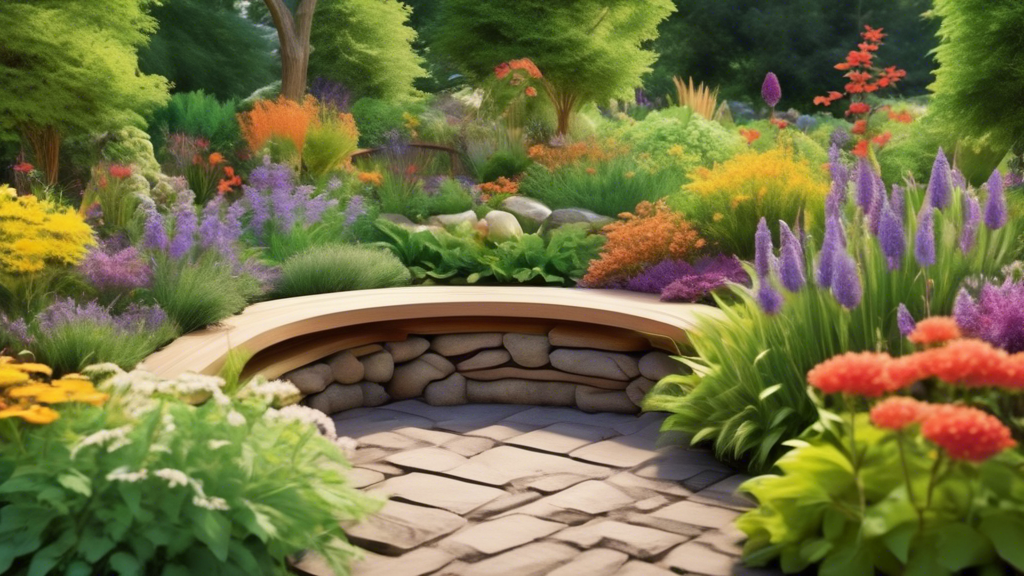
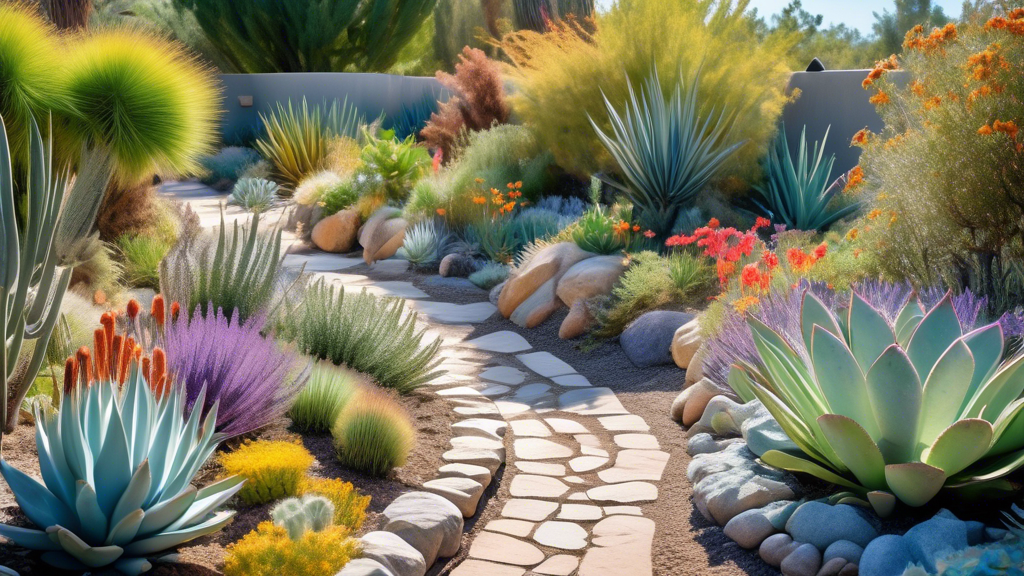
There’s a common misconception that a water-wise garden must look like a stark desert landscape. This is not the case. A drought-tolerant garden is a broad category that includes plants from Mediterranean climates, prairies, and coastal areas. It can be lush, green, and overflowing with color. The goal is intelligent water use, not the elimination of water. A desert garden (Xeriscape) is a specific type of drought-tolerant landscaping that emphasizes cacti, succulents, and true desert natives for an ultra-low-water environment. The key takeaway is that you have immense flexibility. You can create a garden that is both resilient and reflects your personal style, whether that’s a cottage garden brimming with blooms or a modern landscape with sculptural forms.
Pro Tips for a Truly Thriving Drought-Tolerant Garden
The Secret to Success: The First Season
Here is a crucial insight many gardeners miss: drought-tolerant plants aren’t born that way—they are trained to be. The most vital period in the life of these plants is their first growing season in your garden. During this time, they need consistent, deep watering to encourage their roots to grow deep into the soil in search of moisture. A plant with a deep, established root system is a resilient plant. Once they are fully established (which typically takes one full year), their water needs will drop dramatically. Neglecting them in the first year is the most common cause of failure.
Smart Gardening Practices
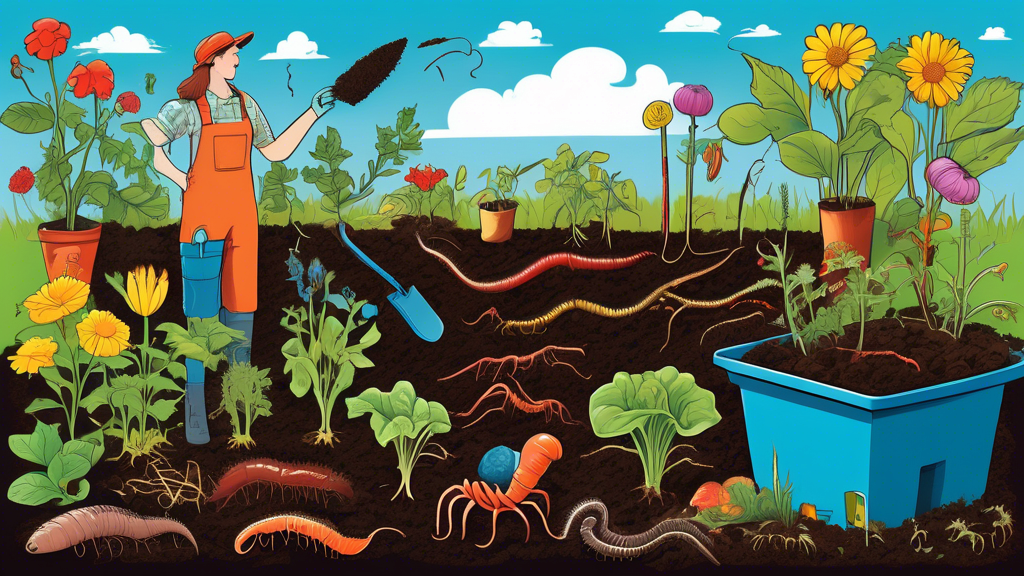
- Soil is Key: Amend your native soil with compost. This improves the soil’s structure, helping it to both retain moisture and drain excess water effectively, preventing root rot.
- Mulch Heavily: Apply a 2-3 inch layer of organic mulch (like bark chips) or inorganic mulch (like gravel). This layer is essential for suppressing weeds and, most importantly, reducing water evaporation from the soil surface by up to 25%.
- Group Plants by Water Needs (Hydrozoning): Arrange your garden so that plants with similar water requirements are planted together. This allows you to water efficiently without overwatering some plants while underwatering others.
- Water Deeply and Infrequently: Instead of frequent, shallow watering, give your plants a long, slow drink that penetrates deep into the root zone. This trains the roots to grow downward, making them more independent and drought-resistant.
| Plant Name | Type | Sun Exposure | Notable Feature |
|---|---|---|---|
| Lavender | Perennial/Shrub | Full Sun | Fragrant, pollinator-friendly |
| Coneflower | Perennial | Full Sun | Long-lasting cut flower |
| Agave | Succulent | Full Sun | Architectural focal point |
| Creeping Thyme | Ground Cover | Full Sun | Walkable, fragrant lawn alternative |
| Butterfly Bush | Shrub | Full Sun | Extremely attractive to butterflies |
Frequently Asked Questions (FAQs)
Do drought-tolerant plants need any water?
Yes, absolutely. The term “drought-tolerant” means they are adapted to survive periods of dryness, not that they are immortal. They require regular water during their first year to establish a strong root system. Even after establishment, they will benefit from occasional deep watering during extended periods of extreme heat and drought.
Can I plant them in the fall?
Fall is actually an ideal time for planting most drought-tolerant perennials, trees, and shrubs. The cooler air temperatures and typically more reliable rainfall reduce stress on the new plants, allowing them to focus their energy on developing a robust root system underground before the following summer’s heat arrives.
Are these plants deer-resistant?
Many drought-tolerant plants have characteristics that make them less appealing to deer. These include strong scents (lavender, rosemary), fuzzy or tough leaves (lamb’s ear), thorns (yucca, agave), and a bitter sap. While no plant is completely deer-proof, incorporating these types can significantly reduce browsing damage.
Can I mix them with my existing, thirstier plants?
It is not recommended. For the health and vitality of all your plants, it is best to practice “hydrozoning”—grouping plants together based on their water needs. Mixing drought-tolerant plants with water-loving ones will inevitably lead to a conflict. You will either overwater the drought-tolerant plants (which can cause root rot) or underwater the thirstier plants, causing them to decline.
Embarking on the journey to create a garden with top drought-tolerant plants is a smart, sustainable, and deeply rewarding choice. By starting with a few well-chosen plants, focusing on proper establishment in the first year, and implementing simple water-wise practices, you can cultivate a beautiful, resilient oasis that thrives with minimal input, saving you time, money, and a precious resource.