What is Organic Gardening? More Than Just “No Pesticides”
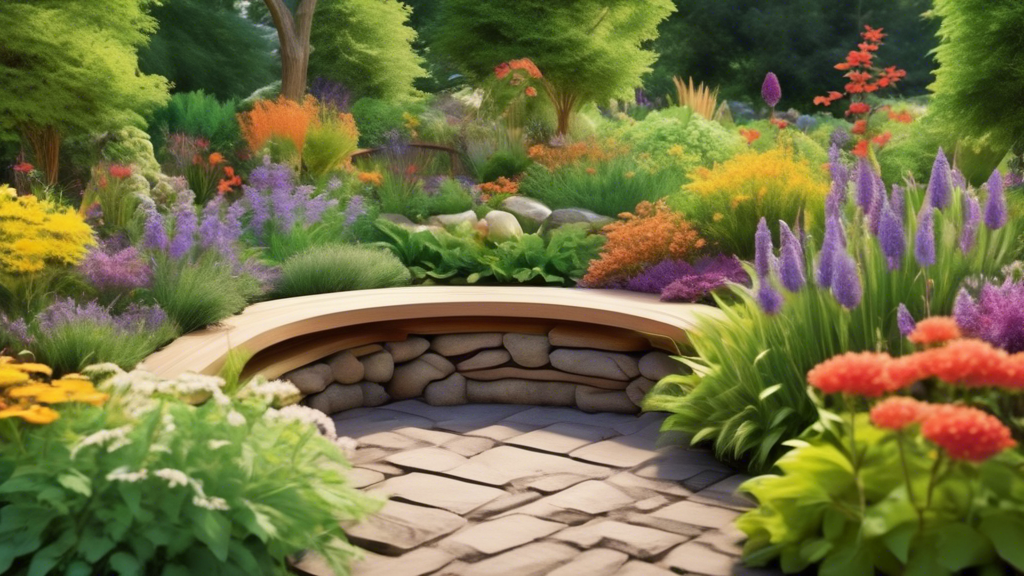
Organic gardening is a holistic approach to cultivating plants that emphasizes working in harmony with natural systems. It goes beyond simply avoiding synthetic chemicals to foster a balanced, self-sustaining ecosystem in your own backyard.
The Core Philosophy: Working With Nature, Not Against It
Instead of fighting against natural processes, organic gardening seeks to understand and leverage them. This means viewing your garden as a living community where soil, plants, insects, and microorganisms all play interconnected roles. The goal is to create a resilient environment where plants can thrive with minimal external intervention.
The Surprising Benefit: How Organic Gardening Actually Builds Soil Health Over Time
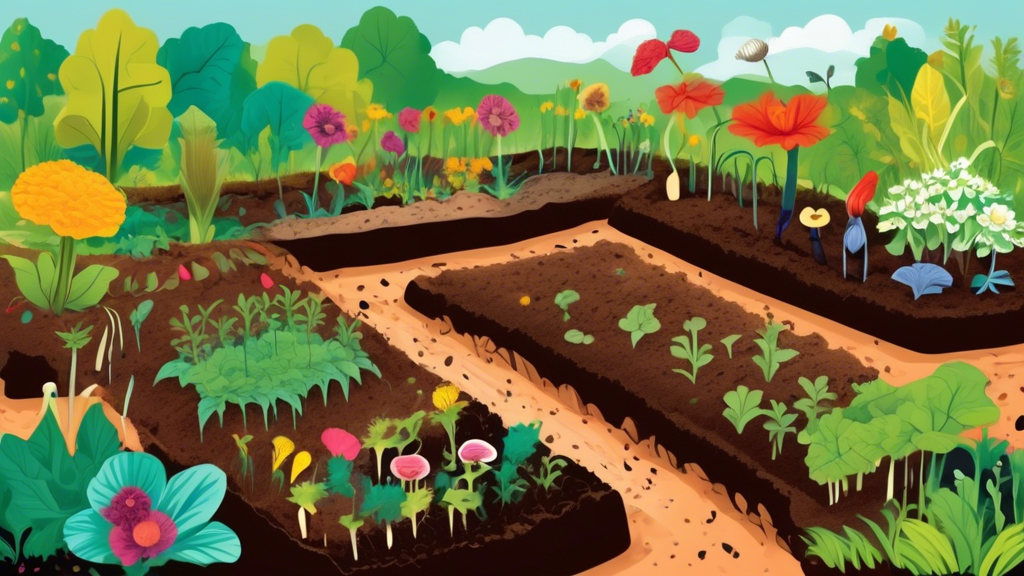
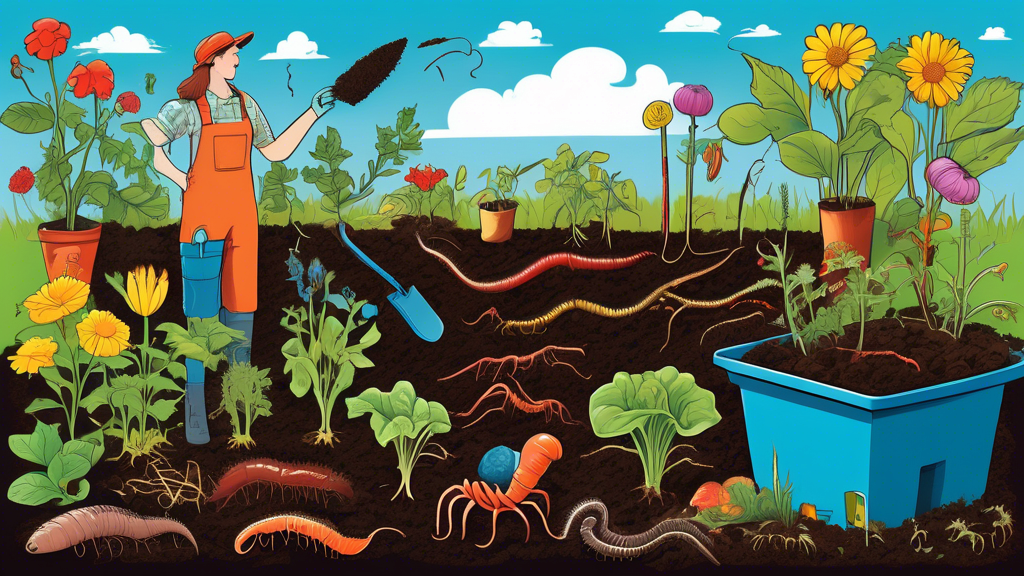
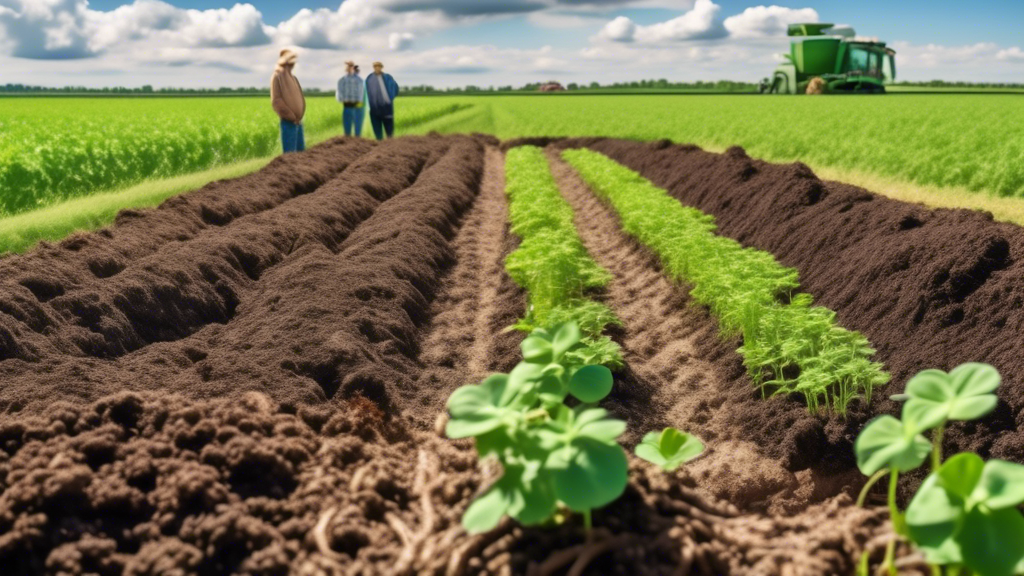
Something you might not know: While conventional gardening often depletes soil by relying on synthetic inputs that can harm microbial life, organic methods actively create a richer, more resilient ecosystem with each season. By adding organic matter like compost, you feed the billions of beneficial bacteria and fungi in the soil. These microorganisms, in turn, create a crumbly soil structure, improve water retention, and make nutrients more available to your plants. Your soil doesn’t just get used—it gets better.
Getting Started: Your First Steps into The Basics of Organic Gardening
Beginning an organic garden is an exciting journey. By focusing on a few key fundamentals, you can set yourself up for success from the very first season.
Choosing the Perfect Location: Sun, Water, and Accessibility
Most vegetables and flowers need at least 6-8 hours of direct sunlight daily. Observe your potential garden spot throughout the day to ensure it gets enough light. Also, consider proximity to a water source and ease of access for regular maintenance.
Understanding Your Soil: The Heart of Your Garden
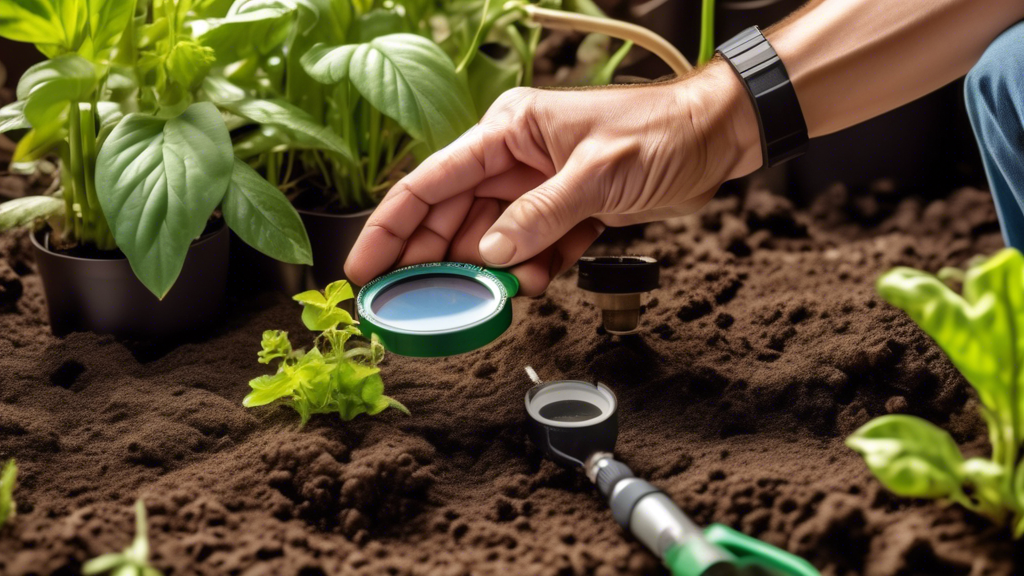
Your soil is the foundation of everything. A simple soil test can reveal its pH and nutrient levels. Organic gardens thrive in loamy soil rich in organic matter. You can improve your soil’s texture and fertility by incorporating compost.
Selecting the Right Plants: Heirlooms, Natives, and Disease-Resistant Varieties
Choose plants that are well-suited to your local climate and soil conditions. Heirloom varieties often offer superior flavor, while native plants support local pollinators. Look for disease-resistant labels on seed packets or plant tags to reduce potential problems.
Common Challenges in Organic Gardening (and How to Solve Them)
Every gardener faces obstacles, but organic methods offer effective, natural solutions to the most common problems.
Challenge: Dealing with Pests Without Harsh Chemicals
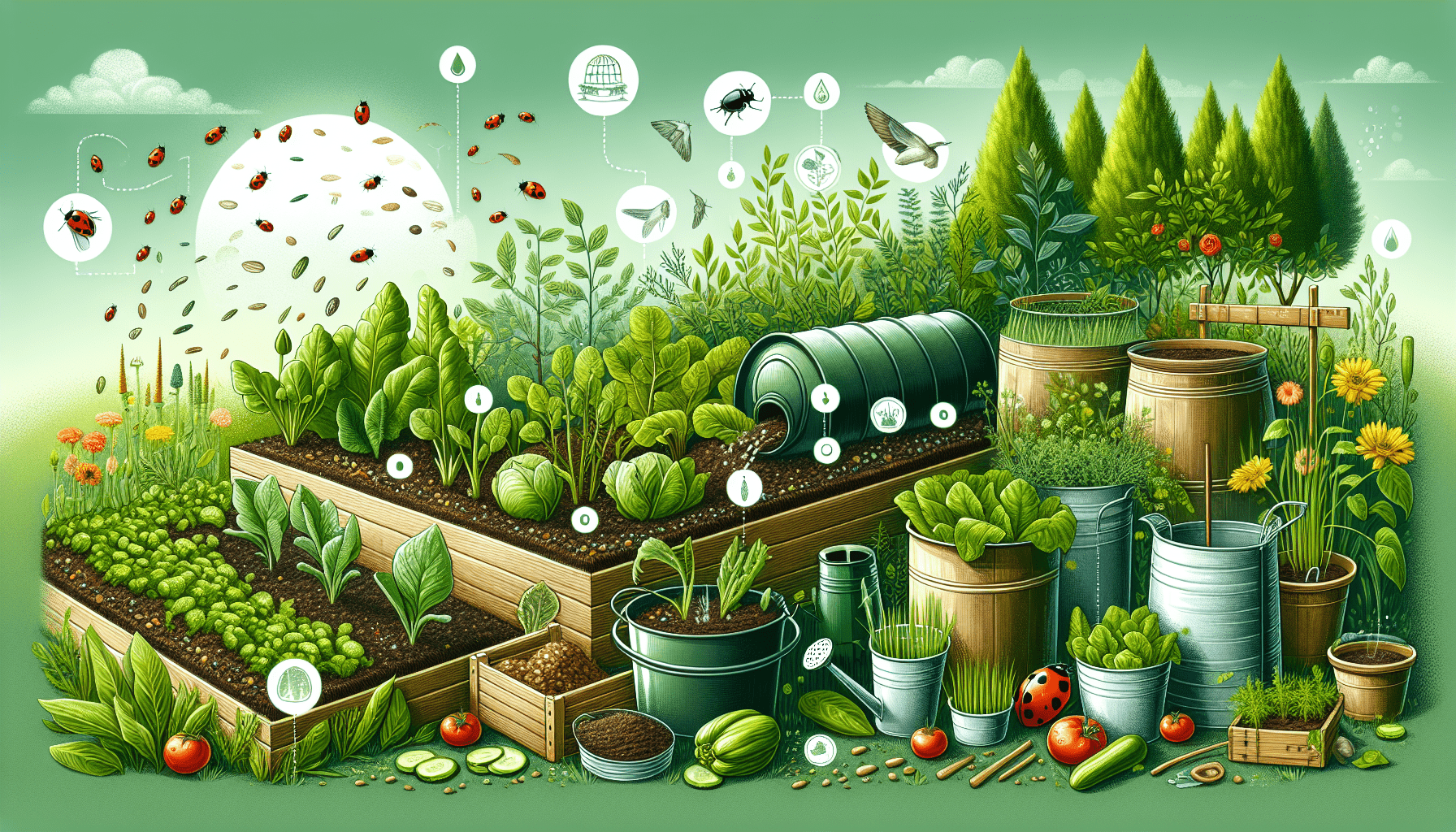
Solution: Encourage a balanced ecosystem by introducing beneficial insects like ladybugs and lacewings, using physical barriers such as floating row covers, and planting companion crops that repel pests. For example, planting marigolds among your vegetables can deter nematodes.
Challenge: Controlling Weeds Naturally
Solution: Apply a thick layer (2-4 inches) of organic mulch like straw, wood chips, or shredded leaves to suppress weed germination. For existing weeds, use a sharp hoe for shallow cultivation, which severs weeds from their roots without disturbing your garden soil deeply.
Challenge: Fear of Low Yields or Poor Plant Health
Solution: The single most effective strategy is to focus on building incredible soil health. Nutrient-rich, living soil, teeming with microbes, is the key to growing vigorous, productive plants that are naturally more resistant to pests and diseases.
Organic vs. Conventional Gardening: A Quick Comparison
Understanding the differences between these two approaches can help you make informed decisions for your garden.
| Aspect | Conventional Gardening | Organic Gardening |
|---|---|---|
| Inputs | Relies on synthetic fertilizers and pesticides. | Uses compost, manure, and natural amendments. |
| Environmental Impact | Can contribute to chemical runoff and soil depletion. | Promotes biodiversity, soil health, and sustainability. |
| Taste and Nutrition | Debated; some studies show comparable levels. | Many gardeners report superior flavor and potential for higher phytonutrient content. |
Inputs: Synthetic Fertilizers & Pesticides vs. Compost & Natural Amendments
Conventional gardening often uses readily available synthetic chemicals to feed plants and control pests. Organic gardening focuses on feeding the soil with compost and other organic matter, which in turn feeds the plants, and uses natural methods for pest control.
Environmental Impact: Runoff and Soil Depletion vs. Biodiversity and Sustainability
Synthetic chemicals can run off into waterways, harming aquatic life. Organic practices build healthy soil that absorbs water better and supports a wide range of organisms, from earthworms to pollinators, creating a more sustainable system.
Taste and Nutrition: The Flavor and Health Benefit Debate
While scientific studies vary, many organic gardeners and chefs swear by the intensified flavors of organically grown produce. The theory is that plants grown in rich soil, without chemical crutches, produce more of their own beneficial compounds, potentially enhancing both taste and nutritional value.
Essential Practices for a Thriving Organic Garden
Incorporate these core techniques to nurture a productive and healthy organic garden year after year.
The Art of Composting: Turning Scraps into Garden Gold
Composting is the cornerstone of organic gardening. By recycling kitchen scraps (fruit and vegetable peels, coffee grounds) and yard waste (leaves, grass clippings) into a dark, crumbly, nutrient-rich humus, you create the perfect food for your soil. A simple compost pile or bin is all you need to start.
Watering Wisely: Conservation and Deep Root Development
Water deeply and less frequently to encourage plants to develop deep, strong root systems. Soaker hoses or drip irrigation systems deliver water directly to the soil, minimizing evaporation and preventing fungal diseases by keeping leaves dry. Watering in the early morning is ideal.
Crop Rotation: The Secret to Preventing Disease and Nutrient Depletion
Avoid planting the same family of vegetables in the same spot year after year. Rotating crops helps break pest and disease cycles and prevents the soil from being depleted of specific nutrients. A simple three or four-year rotation plan is highly effective.
Frequently Asked Questions About The Basics of Organic Gardening
Is organic gardening more expensive to start?
The initial investment can be comparable or slightly higher if you purchase a lot of compost and soil amendments. However, over time, organic gardening can save you money. You’ll create your own compost and seeds, reducing the need to buy inputs every season.
How long does it take to see results from organic methods?
You may see some improvements in plant health and soil texture within the first season. However, the most significant benefits—like deeply rich, fertile soil and a fully balanced ecosystem—build and compound over several years of consistent organic practices.
Can I really grow enough food to make a difference for my family?
Absolutely. Even a small, well-planned garden can produce a significant supplement to your family’s diet. A 10′ x 10′ plot can yield a substantial amount of fresh vegetables like tomatoes, peppers, lettuce, and beans throughout the growing season.
What is the one most important thing for a beginner to focus on?
Soil health! If you concentrate your efforts on building and maintaining healthy, living soil—primarily by adding compost—you will solve about 80% of potential gardening problems before they even begin. Healthy soil grows healthy plants that are naturally resistant to pests and diseases.