Why Choose a Drought-Tolerant Garden?
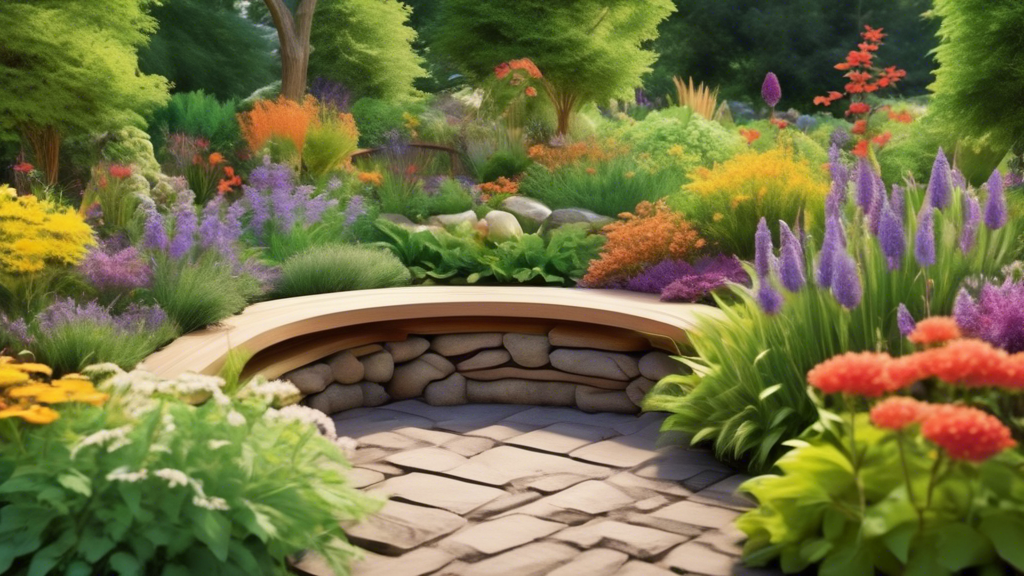
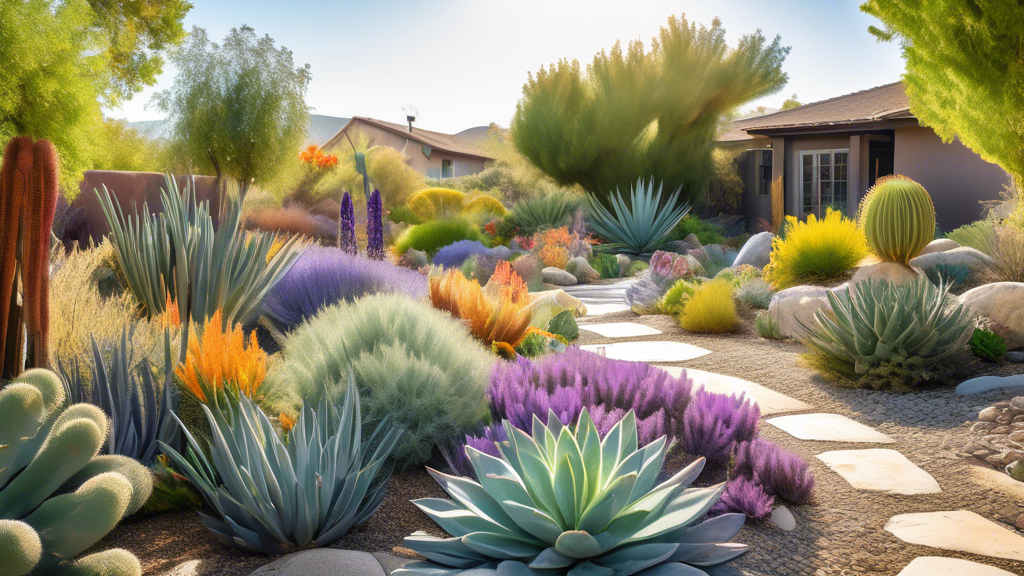
Creating a beautiful garden doesn’t have to mean high water bills and constant maintenance. A drought-tolerant garden, often called xeriscaping, offers a brilliant solution for the modern, eco-conscious gardener. It’s about working smarter, not harder, to cultivate a resilient and vibrant outdoor space.
Solving Common Gardening Challenges
- Reduce High Water Bills: Drastically cut down on your outdoor water usage, saving money and a precious resource.
- Minimize Watering Chores: Spend less time with the hose and more time enjoying your beautiful landscape.
- Combat Water Restrictions: Maintain a lush garden even during droughts and local hosepipe bans.
- Thrive in Poor Soil: Many of these plants excel in sandy, rocky, or otherwise challenging soil conditions where others would fail.
The Surprising Ecological Benefits
Beyond personal convenience, a drought-tolerant garden is a boon for the local environment. It provides essential habitats and food sources for pollinators like bees, butterflies, and hummingbirds. The deep root systems of these plants also help reduce soil erosion and stormwater runoff, contributing to a healthier, more resilient local ecosystem.
Our Top Picks: Drought-Tolerant Plants for Every Garden Style
From vibrant flower beds to structural shrubs, there’s a drought-tolerant plant to suit every aesthetic.
For Stunning Flower Beds & Color
- Lavender (Lavandula): Beloved for its fragrance and purple spikes, it’s a magnet for bees and perfect for borders.
- Coneflower (Echinacea): A tough, native perennial with bold, daisy-like flowers that bloom throughout the summer.
- Blanket Flower (Gaillardia): Offers a spectacular, long-lasting display of fiery red, orange, and yellow blooms.
- Russian Sage (Perovskia atriplicifolia): Adds elegance with its wispy, lavender-blue flower spikes and silvery foliage.
For Structural Interest & Foliage
- Ornamental Grasses (e.g., Fountain Grass, Blue Fescue): Provide year-round texture, movement, and sound as they rustle in the wind.
- Sedum ‘Autumn Joy’ (Stonecrop): A butterfly favorite with succulent leaves and flower heads that change color from pink to a rich, coppery-red in the fall.
- Lamb’s Ear (Stachys byzantina): Features incredibly soft, fuzzy, silver-green leaves that are a delight to touch.
For Shrubs and Hedging
- Butterfly Bush (Buddleja): A fast-growing shrub that produces long, fragrant flower spikes, irresistibly drawing in butterflies. (Check for sterile cultivars to avoid invasiveness).
- Rock Rose (Cistus): A tough, evergreen shrub known for its resilience and beautiful, papery flowers that often have a distinctive dark blotch at the base of each petal.
- Heavenly Bamboo (Nandina domestica): Offers multi-season interest with colorful foliage, delicate white flowers, and bright red berries.
Unique and Unexpected Choices
A Little-Known Secret: Your kitchen herb garden is a hidden trove of drought-tolerant landscaping plants! Rosemary, Thyme, and Oregano are not just culinary staples; they are exceptionally hardy, low-water plants. Use them as aromatic ground covers, spillers over walls, or in border fronts. They release a wonderful fragrance when brushed against and produce small flowers that attract pollinators.
Drought-Tolerant vs. Traditional Lawns: A Quick Comparison
Replacing even a portion of a traditional lawn with drought-tolerant plantings can yield significant benefits.
| Factor | Traditional Lawn | Drought-Tolerant Garden |
|---|---|---|
| Water Usage | High; requires frequent, shallow watering. | Low; thrives on deep, infrequent watering once established. |
| Maintenance | Weekly mowing, fertilizing, and aerating. | Occasional weeding, deadheading, and seasonal pruning. |
| Biodiversity | Low; a monoculture that offers little habitat. | High; supports a wide variety of pollinators and beneficial insects. |
| Aesthetic Appeal | Uniform green carpet. | Dynamic tapestry of color, texture, height, and seasonal change. |
Your Guide to a Thriving Drought-Tolerant Garden
Success with these plants hinges on proper initial setup and smart gardening practices.
The Secret is in the Soil and Setup
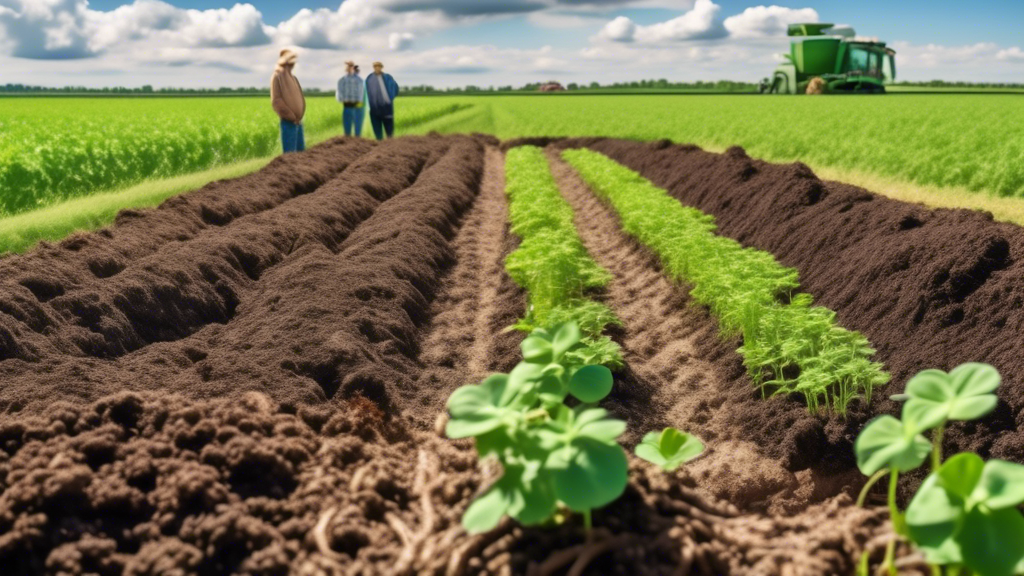
- Amend Your Soil: Good drainage is non-negotiable. Mix in compost to improve soil structure or gravel/sand in very heavy clay.
- The “Establishment” Period is Key: This is the most critical step. Even drought-tolerant plants need consistent, deep watering for their first full growing season to develop the extensive root systems that will allow them to survive future dry spells.
- Mulch Heavily: Apply a 2-3 inch layer of organic mulch (like wood chips) or inorganic mulch (like gravel). This conserves soil moisture, suppresses weeds, and keeps roots cool.
Smart Planting and Grouping
Practice “hydrozoning” by grouping plants with similar water and sun needs together. This makes watering more efficient and ensures all plants in a given area thrive under the same conditions. Always choose the right plant for the right place, paying close attention to sun exposure recommendations.
Frequently Asked Questions
Does “drought-tolerant” mean I never have to water them?
No. “Drought-tolerant” means the plant can survive extended periods of dry weather once its root system is fully established. During the first year and in cases of extreme, prolonged drought, they will still benefit from a deep, thorough watering.
Will a drought-tolerant garden look brown and desert-like?
Not at all! While you can create a stunning desert aesthetic with cacti and agaves, the plants listed above are chosen for their lush foliage and vibrant, long-lasting blooms. A drought-tolerant garden can be just as colorful and vibrant as a traditional one, if not more so.
When is the best time to plant drought-tolerant species?
Spring or early fall is ideal. These seasons provide cooler temperatures and more reliable rainfall, giving plants a less stressful environment to establish their roots before the heat of summer or the freeze of winter.
Are these plants invasive in my area?
It is always crucial to check with local nurseries or university extension services. Some plants celebrated for their toughness, like the Butterfly Bush (Buddleja davidii), can be invasive in certain regions. Always look for sterile or non-invasive cultivars where available.
Embracing top drought-tolerant plants for a thriving garden is a smart, sustainable, and beautiful choice. It allows you to save time, money, and water while creating a dynamic landscape that supports local wildlife. Start small by converting one section of your yard, and discover the joy of a garden that flourishes with ease.