Understanding the Core Principles of Drought-Resistant Gardening
Why Your Soil is Your Secret Weapon for Water Conservation
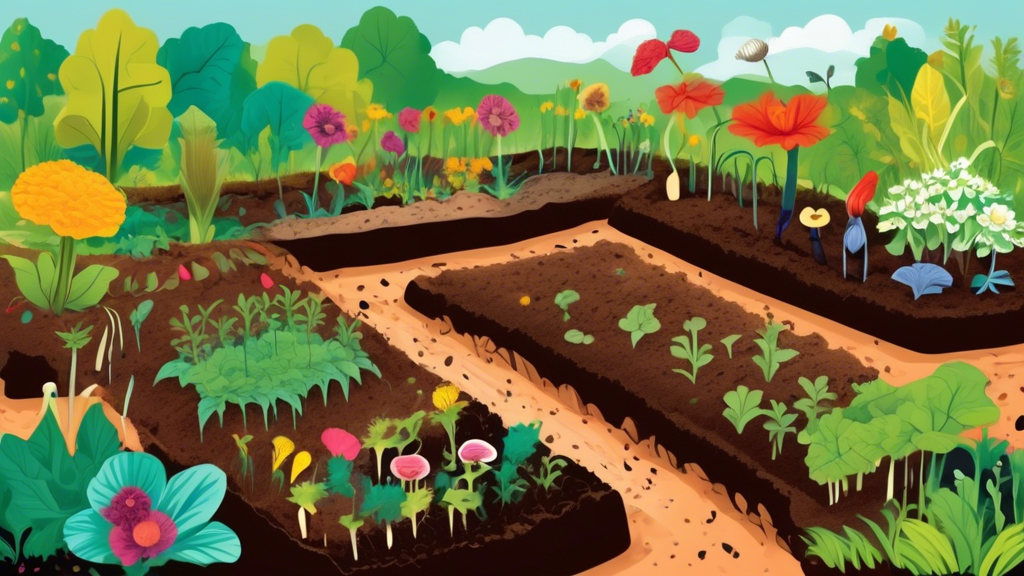
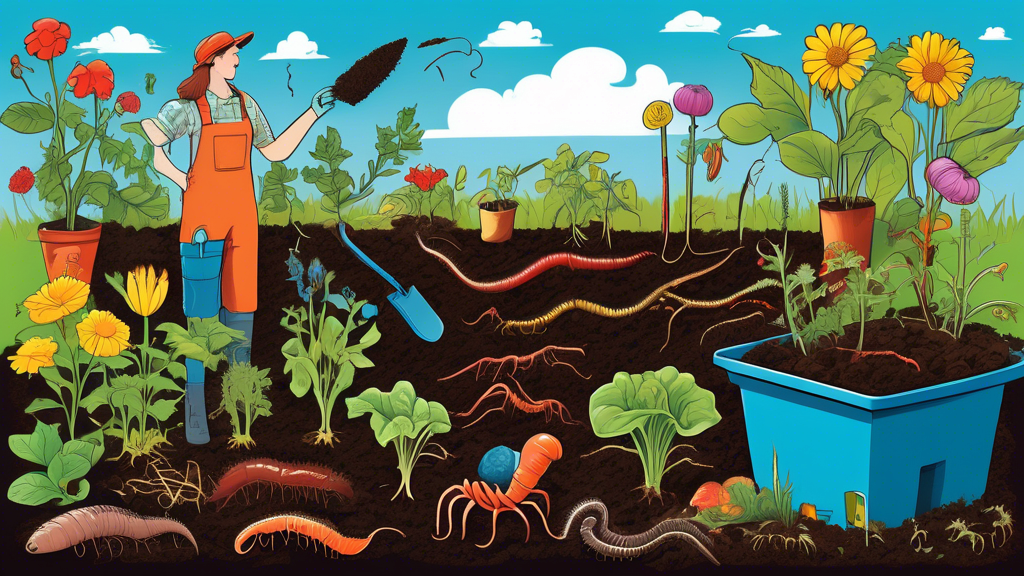
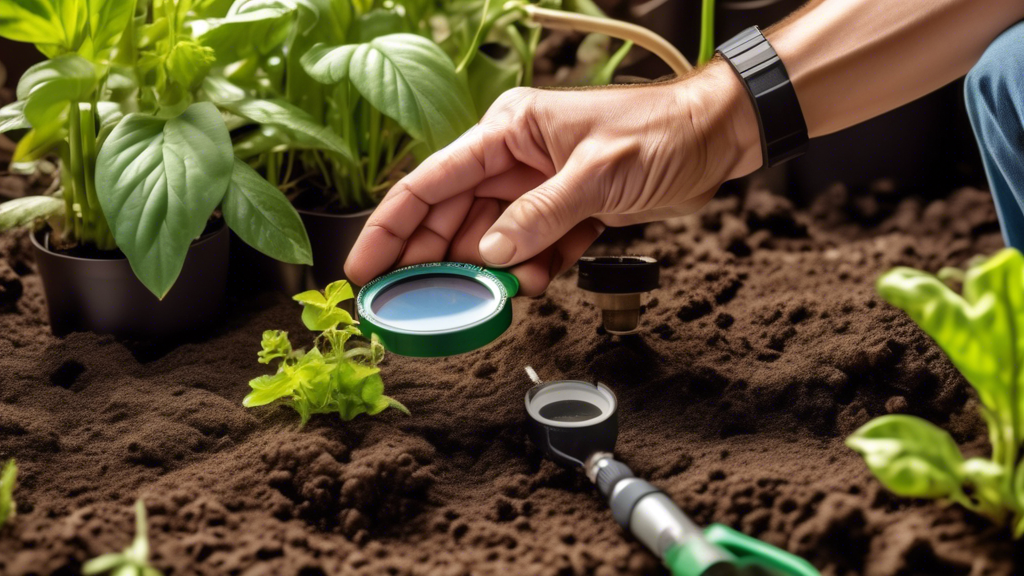
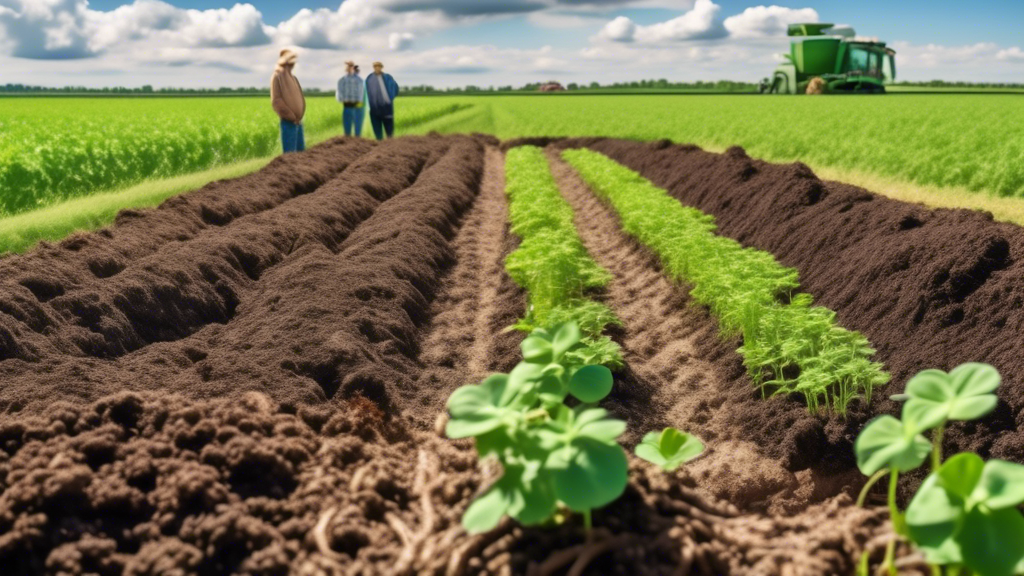
Healthy soil is the foundation of any water-wise garden. It acts like a sponge, absorbing rainfall and irrigation, then slowly releasing it to plant roots. Amending your soil with organic matter like compost increases its water-holding capacity, meaning you’ll need to water less frequently. A simple test is to squeeze a handful of moist soil; if it forms a loose ball that crumbles easily, it’s well-structured. If it forms a tight, hard ball or feels slimy, it needs amendment.
The Right Plant, Right Place: Selecting Native and Climate-Appropriate Plants
This principle is about working with your local environment, not against it. Native plants and those adapted to your region’s climate (often called “climate-appropriate”) have evolved to thrive with the natural rainfall patterns, temperature extremes, and soil types of your area. They require far less supplemental water, fewer fertilizers, and are more resistant to local pests and diseases.
Essential Best Practices for Water Conservation in Drought-Resistant Gardening
Smart Irrigation: Drip Systems, Timers, and Deep Watering Techniques
Efficient watering is paramount. Overhead sprinklers can lose up to 50% of water to evaporation and wind. A drip irrigation system delivers water slowly and directly to the root zone, minimizing waste. Pairing this with a smart timer that waters in the early morning further reduces evaporation. The goal of “deep watering” is to encourage roots to grow downward, creating more resilient plants. Water less often, but for a longer duration to saturate the root zone.
The Power of Mulch: Locking in Moisture and Suppressing Weeds
A layer of mulch is one of the most effective and simple water-saving techniques. It acts as a protective blanket over the soil, reducing surface evaporation, keeping soil temperatures consistent, and suppressing water-hungry weeds. Organic mulches like wood chips, bark, or straw also break down over time, improving soil health.
Hydrozoning: Grouping Plants by Thirst to Maximize Water Efficiency
Hydrozoning is the practice of grouping plants with similar water needs together in the same irrigation zone. This prevents you from over-watering drought-tolerant plants to meet the needs of a single thirsty plant. It’s a simple yet highly effective design strategy.
| Hydrozone | Water Need | Example Plants | Irrigation Frequency |
|---|---|---|---|
| Low Water | Drought-tolerant | Lavender, Sage, Succulents | Infrequent, only during extended dry spells |
| Moderate Water | Some supplemental water | Rosemary, California Poppy, Yarrow | Weekly or bi-weekly in summer |
| High Water | Regular moisture | Vegetables, some perennials | As needed, often 2-3 times per week |
Advanced Strategies for a Truly Resilient Garden
Harvesting Every Drop: A Beginner’s Guide to Rainwater Collection
Why let free water flow away? Installing a rain barrel is a simple way to capture rainwater from your roof for use in the garden. This soft, chemical-free water is excellent for plants. Ensure your barrel has a screen to prevent mosquitoes and a secure lid for safety.
Beyond Grass: Replacing Lawns with Beautiful, Water-Wise Alternatives
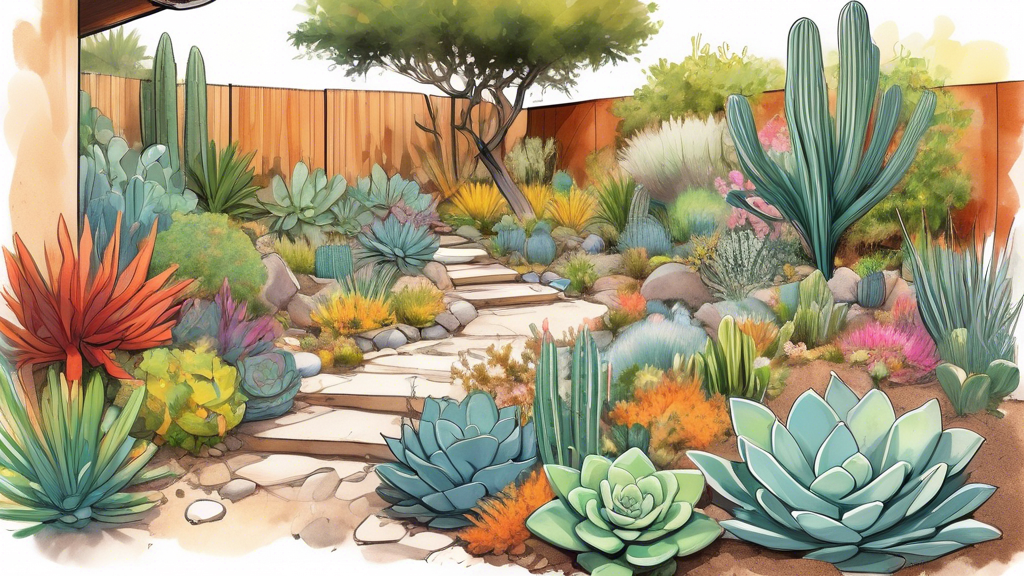
Traditional turf grass is one of the most water-intensive parts of a landscape. Consider replacing all or part of your lawn with ground covers like creeping thyme, ornamental grasses, or a rock garden with drought-tolerant succulents. These alternatives provide beauty and habitat while slashing your water bill.
Reading Your Plants’ Thirst Cues: Signs of Over and Under-Watering
Learn to understand your plants. Wilting can be a sign of both over and under-watering. Check the soil first. If it’s soggy, you’re over-watering, which can suffocate roots. If it’s dry several inches down, it’s time to water. Leaves that are crispy and brown at the edges typically indicate under-watering, while yellow, dropping leaves often point to over-watering.
Common Challenges and How to Overcome Them
“My Soil is Hard as a Rock and Water Just Runs Off”
Solution: This is a classic sign of compacted or clay-heavy soil. The solution is aeration and amendment. Use a garden fork to poke holes in the soil, which allows water and air to penetrate. Then, work in generous amounts of compost or other organic matter. Over time, this will dramatically improve soil structure and water infiltration.
“I Don’t Have Time for a High-Maintenance Garden”
Solution: A well-designed drought-resistant garden is inherently low-maintenance. Once established, these gardens require less weeding (thanks to mulch), less frequent watering, and less pruning and deadheading than a traditional garden. The initial time investment pays off with years of easier upkeep.
“Drought-Tolerant Gardens Look Sparse and Uninteresting”
Solution: This is a common misconception. The key is to focus on texture, form, and strategic color. Combine spiky grasses with rounded shrubs and trailing ground covers. Use the silvery foliage of plants like Artemisia or Lavender as a neutral backdrop to make the vibrant colors of flowering plants like Penstemon or Blanket Flower pop. A drought-resistant garden can be incredibly lush and dynamic.
Drought-Resistant Gardening vs. Xeriscaping: What’s the Difference?
Key Similarities and Philosophical Overlaps
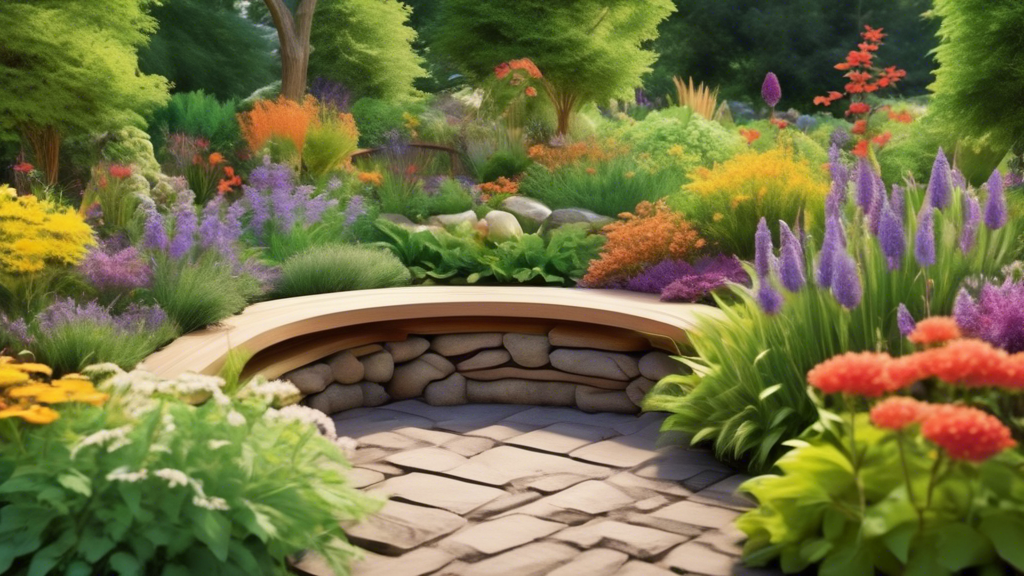
Both philosophies are dedicated to creating beautiful landscapes that require minimal supplemental water. They share core principles like improving soil, using mulch, efficient irrigation, and selecting appropriate plants. The ultimate goal for both is environmental sustainability and resource conservation.
Practical Differences in Plant Selection and Design Approach
While often used interchangeably, there is a subtle distinction. Drought-resistant gardening focuses on plants that can survive with little water once established, but it can include a wider palette of plants that may need occasional watering. Xeriscaping (from the Greek “xeros” for dry) is often more strictly associated with landscapes that rely solely on natural rainfall, using plants that are extremely drought-tolerant and often have a more “arid” aesthetic. Xeriscaping is a specific, rigorous form of drought-resistant landscaping.
Frequently Asked Questions (FAQs) About Water-Wise Gardening
Can I have a colorful garden if I’m conserving water?
Absolutely! Many drought-tolerant plants produce stunning, vibrant flowers. Consider plants like Red Hot Poker (Kniphofia), California Fuchsia (Epilobium), Purple Coneflower (Echinacea), and a huge variety of Salvias (Sage) for a long season of color with very little water.
How often should I really be watering my drought-resistant plants?
The “finger test” is your best guide. Push your finger into the soil up to the second knuckle. If it feels dry, it’s time to water. For most established drought-resistant plants, this might mean a deep watering once every 1-3 weeks in the summer, or even less, depending on your climate and rainfall.
Is it expensive to convert my existing garden to a water-wise one?
It can be done cost-effectively. Start small with one area, like replacing a section of lawn. Focus on improving your soil first (a low-cost investment), use mulch, and propagate plants from cuttings or seeds. The long-term savings on your water bill will quickly offset the initial costs.
What is “Graywater” and can I use it in my garden safely?
Graywater is the relatively clean wastewater from baths, sinks, washing machines, and other kitchen appliances (excluding toilet water, which is “blackwater”). With proper, simple systems, it can be safely used to irrigate ornamental plants and trees, significantly reducing your potable water use. A unique and surprising source of graywater that many gardeners don’t know about is the water collected from dehumidifiers and air conditioners. This water is essentially distilled and is excellent for plants, as it’s free of the minerals and chemicals found in tap water.