Why Go Drought-Resistant? Addressing Your Biggest Challenges
Transforming your garden into a water-wise oasis isn’t just a trend; it’s a practical solution to common frustrations. Let’s explore the core motivations.
The High Cost of a Thirsty Lawn
Many homeowners watch their water bills climb during the summer months, directly tied to keeping a conventional lawn green. The financial strain is significant, not to mention the hours spent on maintenance.
The Frustration of Water Restrictions and Brown Lawns
During droughts, water bans can leave you feeling helpless as your garden suffers. It’s disheartening to see your investment wilt and can feel like you’re fighting a losing battle against the climate.
Beyond Saving Water: The Surprising Benefits
A drought-resistant garden offers rewards that go far beyond water conservation. You’ll spend less time on tedious chores like mowing and weeding, and your garden will become a haven for essential pollinators like bees and butterflies. Furthermore, a well-executed, sustainable landscape is a recognized feature that can increase your property’s value.
Foundational DIY Projects for Drought-Resistant Gardens
These core projects form the backbone of any effective water-wise garden, ensuring your efforts have a lasting impact.
DIY Soil Amendment: Unlocking Your Garden’s Water Storage
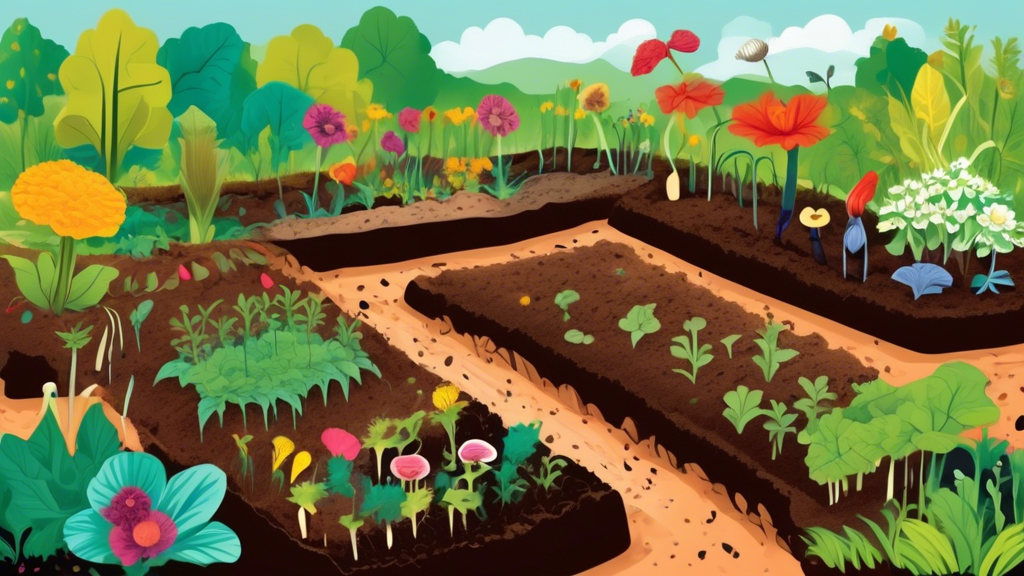
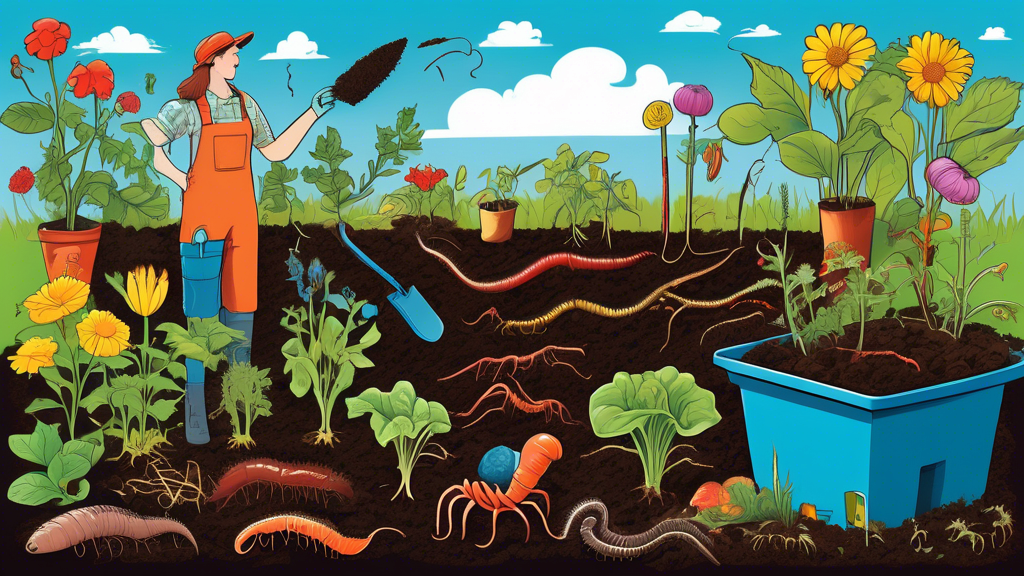
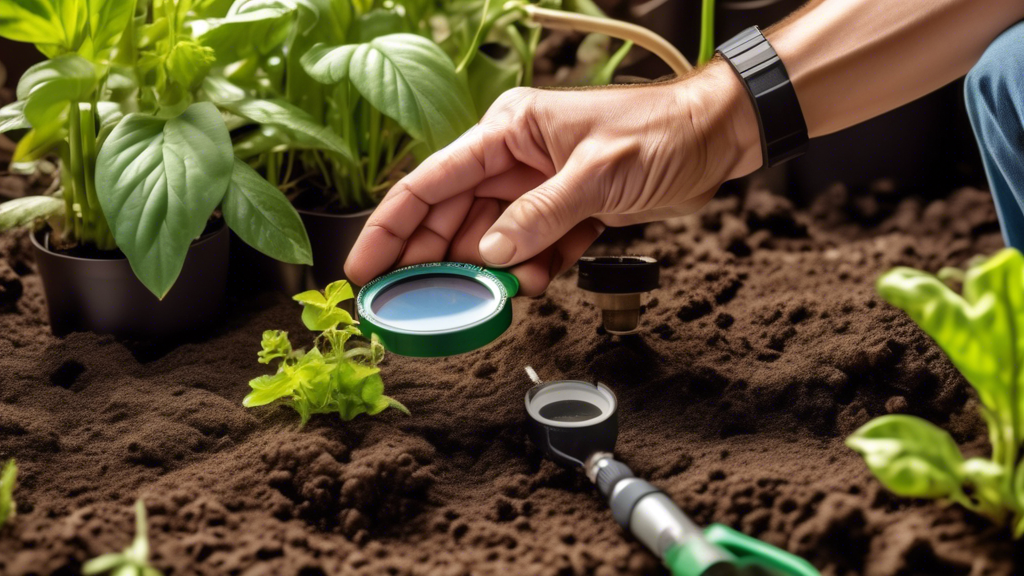
Healthy soil is the unsung hero of a drought-resistant garden. By enriching your soil with compost, you essentially create a sponge that retains moisture and delivers it to plant roots over time, reducing the need for frequent watering.
Simple Drip Irrigation on a Budget
Not all watering systems are created equal. Drip irrigation delivers water directly to the base of the plant, minimizing evaporation and runoff.
| Feature | Drip Irrigation | Traditional Sprinklers |
|---|---|---|
| Water Efficiency | Up to 90% | 65-75% |
| Water Delivery | Direct to roots | Broadcast (leaves, soil, air) |
| Best For | Garden beds, specific plants | Large, uniform lawns |
The Art of Mulching: Your Garden’s Best Blanket
A layer of mulch is one of the simplest and most effective ways to conserve soil moisture and suppress weeds. The type of mulch you choose depends on your aesthetic and functional needs.
| Mulch Type | Pros | Cons |
|---|---|---|
| Organic (Wood Chips, Bark) | Improves soil as it decomposes, excellent moisture retention | Needs replenishing periodically |
| Inorganic (Gravel, Stone) | Long-lasting, excellent drainage, modern look | Doesn’t improve soil, can heat up in direct sun |
Creative and Aesthetic DIY Projects
Once the foundations are in place, you can add beautiful, unique features that enhance both the function and form of your garden.
Build a Rain Chain and Barrel System
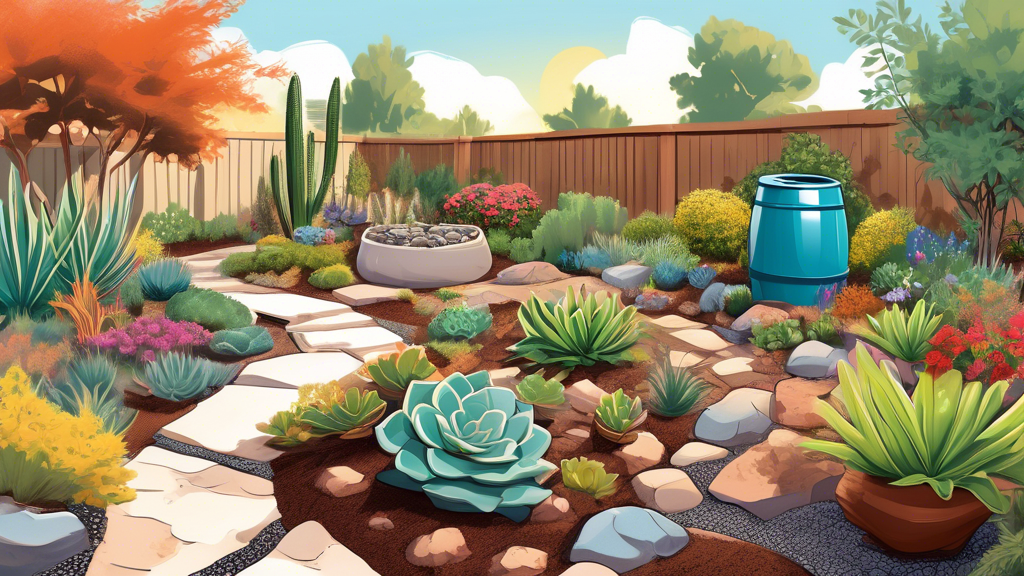
Instead of a plain downspout, install a decorative rain chain. It gracefully guides rainwater from your roof gutters into a barrel, creating a beautiful visual and auditory feature while providing you with free, non-chlorinated water for your plants.
Crafting a Gravel Garden with Drought-Tolerant Succulents
Gravel gardens are not only modern and stylish but also highly practical. The gravel provides perfect drainage for succulents and dramatically reduces surface water evaporation. You can easily create stunning patterns and textures by combining different colored stones and succulent varieties.
DIY “Olla” Irrigation Pots (An Ancient Secret)
Here’s something unique you might not know: an ancient irrigation technique using unglazed clay pots, called “ollas.” You bury these pots in your garden beds, fill them with water, and they slowly seep moisture directly into the soil and to the plant roots. This method is incredibly efficient, as it eliminates runoff and evaporation entirely, and the plants only take the water they need.
Plant Selection and Garden Design
The right plants in the right place are the final piece of the puzzle for a truly resilient garden.
Right Plant, Right Place: A Beginner’s Guide to Hydrozoning
The key is “hydrozoning”—grouping plants with similar water needs together. This allows you to water different zones of your garden efficiently. Prioritizing native plants is a smart strategy, as they are already perfectly adapted to your local rainfall and soil conditions.
Beyond Cacti: Beautiful and Surprising Drought-Resistant Plants
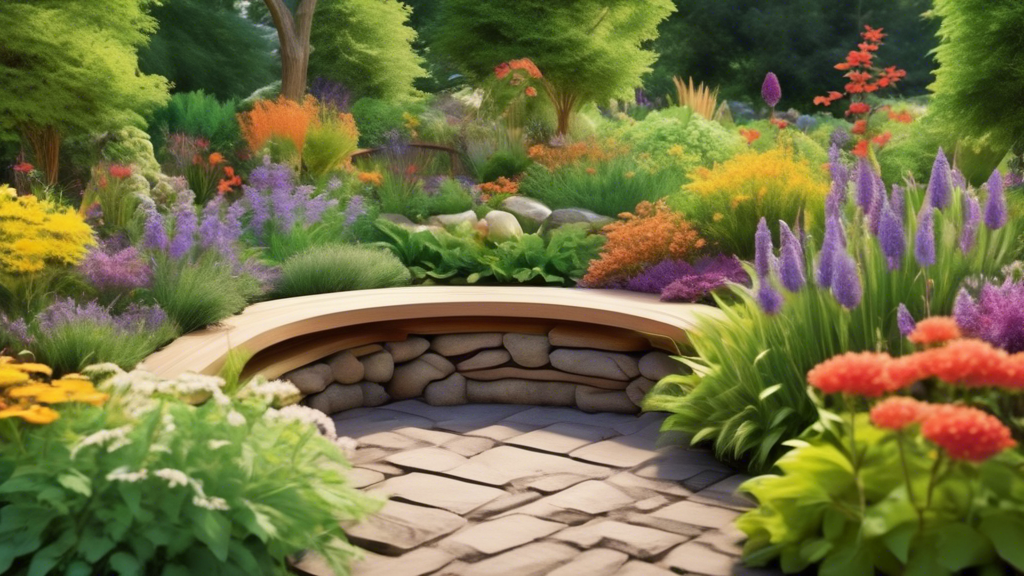
A drought-resistant garden doesn’t mean you’re limited to cacti and rocks. There is a world of beautiful, colorful, and textured plants to choose from. Consider Lavender for its scent and color, Russian Sage for its airy purple plumes, ornamental grasses for movement, or the vibrant Sedum ‘Autumn Joy’ for late-season interest.
Frequently Asked Questions (FAQs)
Isn’t a drought-resistant garden just a rock garden?
This is a common misconception. A true drought-resistant or xeriscape garden is a living, vibrant landscape based on water-wise principles. It focuses on strategic plant choices, soil health, and efficient irrigation to create a lush, colorful, and dynamic outdoor space, not a barren patch of rocks.
How much money can I really save with these DIY projects for drought-resistant gardens?
The savings can be substantial. By reducing outdoor water use, which can account for 30% or more of a household’s consumption, homeowners often see a 30-60% reduction in their water bills for landscaping. This can easily translate to saving hundreds of dollars each year.
Is it expensive to start a drought-resistant garden?
It can be very budget-friendly. You don’t need to do everything at once. Start with one foundational project, like amending the soil in a single bed or installing a simple drip line. You can also save money by propagating plants from cuttings or seeds, allowing you to transform your space gradually without a large upfront cost.
Will a drought-resistant garden attract bees?
Absolutely! In fact, they are often more attractive to pollinators than traditional lawns. Many drought-tolerant plants, especially native flowering perennials and Mediterranean herbs like lavender, sage, and coneflowers, are prolific producers of nectar and pollen, making them a vital food source for bees, butterflies, and hummingbirds.