The Seed of an Idea: A Partnership for Growth
Introducing the Tulsa Boys Home: A Mission of Transformation
The Tulsa Boys Home provides a safe, structured, and therapeutic residential environment for at-risk young men, focusing on healing, education, and personal development. A significant challenge faced is creating engaging, therapeutic activities that build essential life skills, self-esteem, and emotional resilience outside of traditional therapy settings.
The OSU Master Gardeners: Experts Rooted in Community Service
The OSU Master Gardener program is a dedicated volunteer arm of the Oklahoma State University Extension service. These individuals are not only trained horticulture experts but also committed educators and mentors who leverage their knowledge for community betterment.
More Than Weeds and Seeds: The Impact of the Garden
Cultivating Life Skills and Responsibility
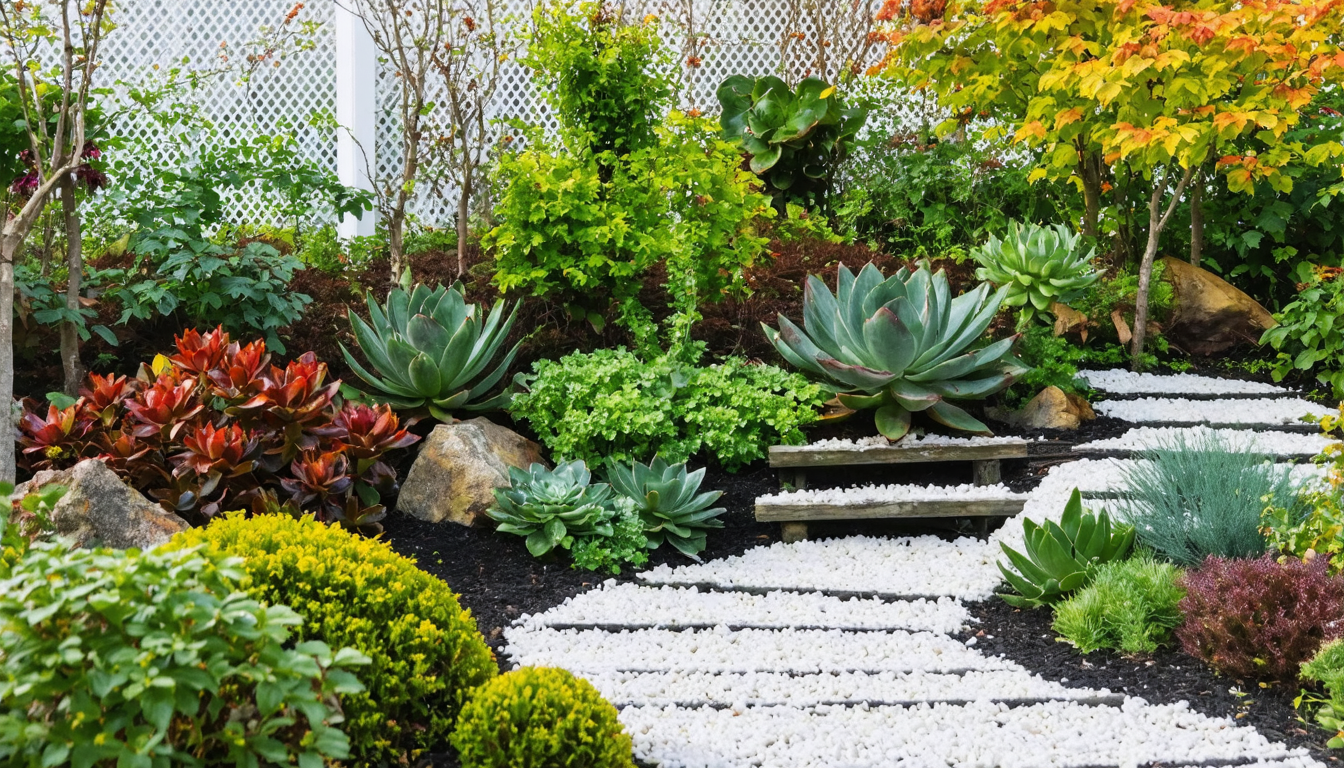
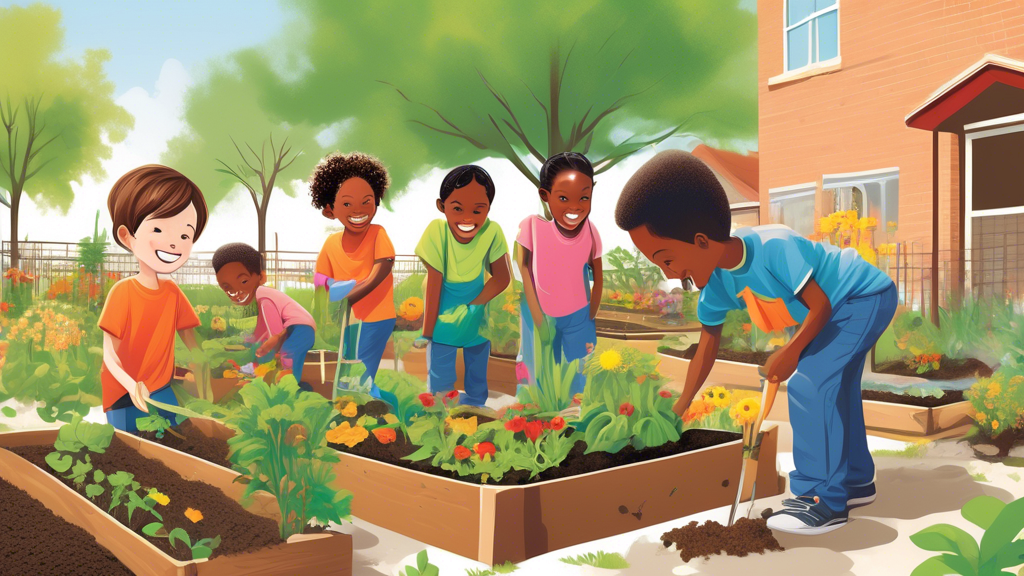
The boys engage in the entire lifecycle of a garden, from planning the layout and planting seeds to the daily nurturing and eventual harvest. This process instills crucial skills like planning, patience, and accountability. This initiative directly addresses a modern disconnect from nature and a lack of understanding about the origins of our food.
Growing Confidence and Emotional Well-being
Gardening offers profound therapeutic benefits, serving as a calming activity that reduces anxiety and provides a tangible sense of accomplishment. For youth processing complex emotions and trauma, the garden becomes a non-clinical, productive sanctuary for emotional expression and healing.
From Garden to Table: Lessons in Nutrition and Sustainability
The fruits (and vegetables) of their labor are used directly in the Home’s kitchen, completing the cycle from soil to plate. This provides powerful, practical lessons in nutrition, self-sufficiency, and sustainable living.
A Unique Symbiosis: What Makes This Initiative Special
The Unseen Benefit: Horticultural Therapy Principles in Action
While not formally labeled as such, the Master Gardeners intuitively apply core principles of horticultural therapy. They design tasks to be success-oriented, such as planting fast-growing radishes for a quick and motivating win. Repetitive motions like weeding are used to promote a calming focus, and by giving each boy a specific plant or plot to care for, they foster a powerful sense of ownership and pride. This nuanced approach elevates the garden from a simple hobby to a structured therapeutic tool.
Comparing Growth: Before and After the Garden Initiative
Before the Initiative: Limited Outdoor Engagement
Prior to the partnership, outdoor activities were often less structured, with limited opportunities for purposeful, skill-building engagement that could contribute directly to the therapeutic goals of the home.
After the Initiative: A Thriving Hub of Learning
The introduction of the garden has transformed an outdoor space into a vibrant, living classroom. There is now a marked increase in resident participation, observable improvements in cooperative behavior, and a palpable sense of pride and accomplishment among the youth.
| Aspect | Before the Garden | After the Garden |
|---|---|---|
| Primary Outdoor Activity | Unstructured play or limited engagement | Purposeful horticulture and skill-building |
| Therapeutic Application | Primarily confined to indoor sessions | Integrated, hands-on therapeutic work in nature |
| Youth Engagement & Pride | Less visible ownership of communal spaces | High engagement and clear pride in the garden’s success |
Frequently Asked Questions (FAQs) About the Program
What types of plants are grown in the garden?
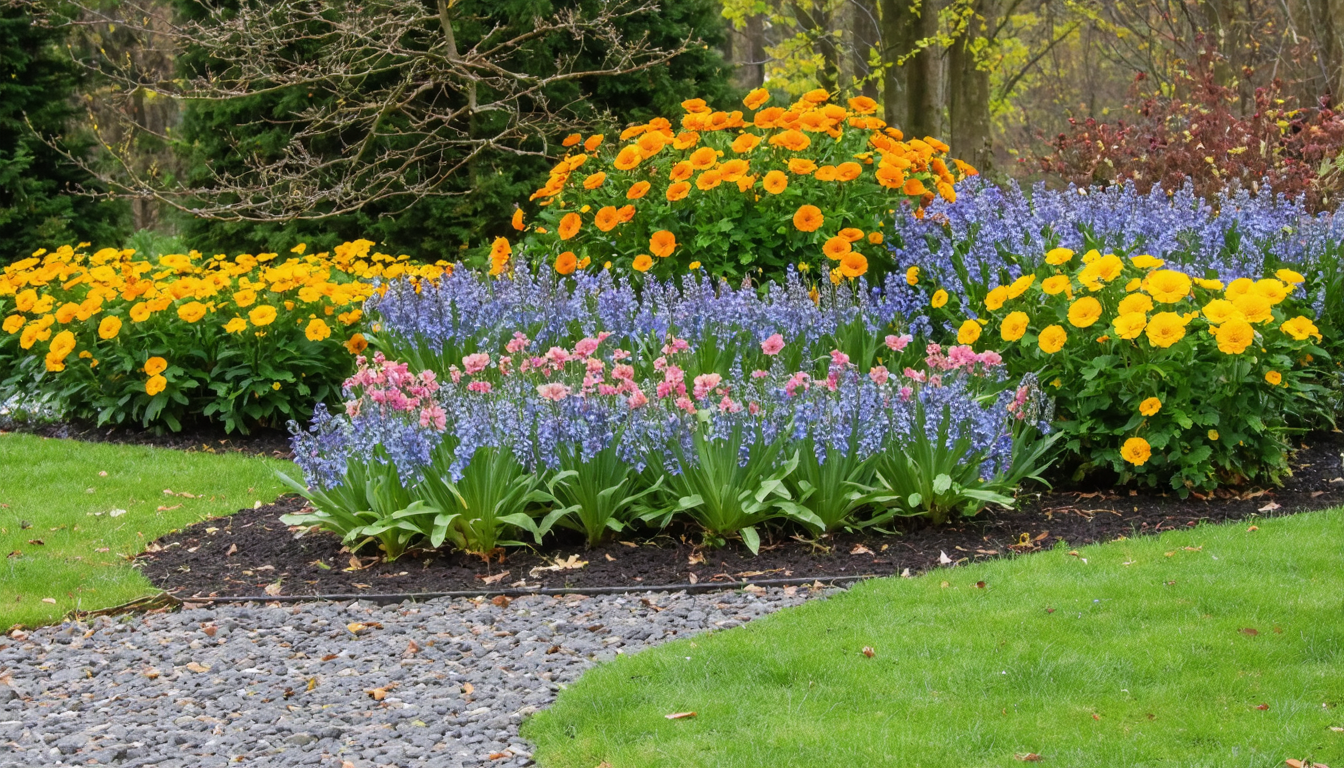
The garden features a mix of easy-to-grow and rewarding plants, including vegetables like tomatoes, zucchini, and peppers, various herbs for cooking, and often native flowers to support local pollinators and add beauty.
How often do the OSU Master Gardeners visit the Tulsa Boys Home?
Volunteers typically maintain a weekly or bi-weekly schedule during the primary growing season to provide consistent guidance. Off-season visits focus on planning, education, and preparing for the next cycle.
Can the public or other organizations support this initiative?
Yes, community support is vital. Donations of seeds, gardening tools, soil, or financial contributions made directly to the Tulsa Boys Home or designated for this program through the local OSU Extension office are greatly appreciated.
Do the skills learned in the garden translate to other areas of the boys’ lives?
Absolutely. The core competencies developed—patience, responsibility, problem-solving, and the ability to follow through on a long-term project—have direct and positive applications in their academic pursuits, future employment, and personal relationships.
A Harvest of Hope for the Future
This partnership between the OSU Master Gardeners and the Tulsa Boys Home is a powerful testament to how working with the land can cultivate growth far beyond the garden’s borders. It’s a symbiotic relationship that yields a harvest of hope, resilience, and transformed futures for everyone involved.