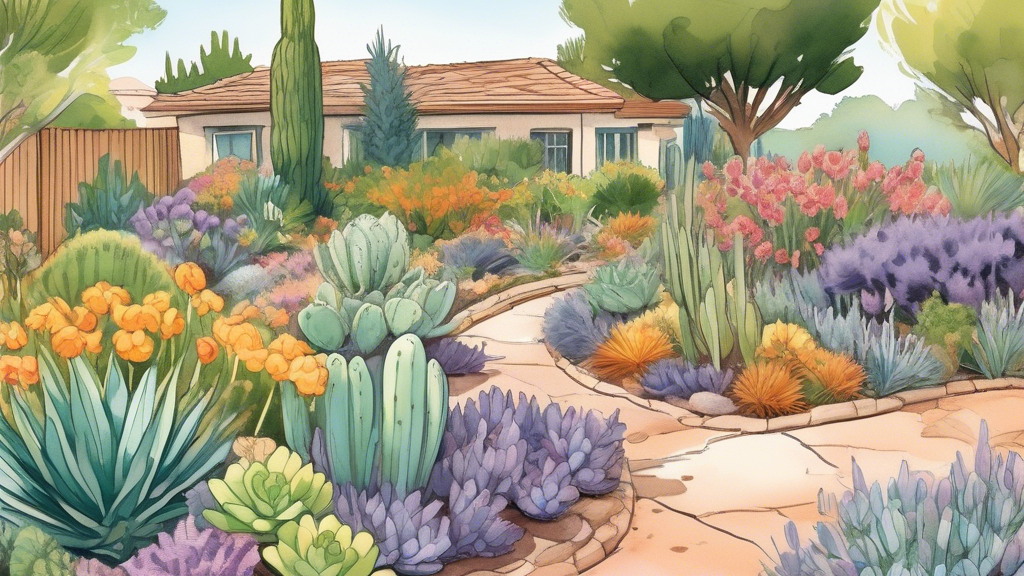
Why Seasonal Care is Non-Negotiable (Even for Tough Plants)
The Biggest Misconception: “Plant It and Forget It”
Many gardeners fall into the trap of believing that drought-resistant plants are completely self-sufficient. While these plants are champions of water conservation, they are not zero-maintenance. The term “drought-resistant” specifically refers to their ability to survive with less water, but they still have critical needs for pruning, soil health, and protection from extreme elements. Neglecting these aspects is a common reason why a supposedly “easy” plant fails to flourish.
The Goal: Beyond Survival to Thriving
The aim of seasonal care is to elevate your garden from a mere collection of surviving plants to a dynamic, vibrant landscape. Proper care encourages not just life, but robust growth, prolific blooming, and a strong physical structure that naturally resists pests and diseases.
Your Seasonal Guide to Drought-Resistant Plant Care
Spring: The Season of Awakening and Establishment
Spring is a period of renewed growth. Key tasks include pruning away any winter damage, dividing perennials that have become overgrown, and applying a light layer of compost to enrich the soil without promoting the weak, watery growth that synthetic fertilizers can cause. Crucially, you should begin to “taper” irrigation as natural rainfall decreases and temperatures climb.
Unique Insight: Spring is the absolute best time to introduce new drought-resistant plants to your garden. The combination of mild temperatures and typically higher rainfall provides an extended establishment period. This allows the root system to grow deep and strong, making the plant genuinely drought-tolerant before the intense heat of summer arrives.
Summer: The Season of Strategic Support
Summer is when these plants prove their mettle. The focus should be on strategic support: deep, infrequent watering (only if there are extended dry spells) to train roots to seek moisture deep underground, applying a thick layer of mulch to conserve soil moisture and keep roots cool, and deadheading spent flowers to encourage a second wave of blooms.
A common challenge is knowing how to react during a heatwave. The instinct is to water frequently, but this can be detrimental. The goal is to prevent severe stress without making the soil constantly soggy, which can lead to fatal root rot.
Fall: The Season of Preparation and Planting
As temperatures cool, your care should shift to preparing plants for dormancy. Gradually reduce watering to allow plant tissues to “harden off,” making them more resilient to cold. This is also an excellent time for a light garden cleanup and for planting spring-blooming bulbs that will complement your perennials.
Unique Insight: Fall is the secret second-best planting season. The soil remains warm from the summer sun, which encourages vigorous root growth, while the cooler air temperatures reduce stress on the plant’s foliage. This gives new additions a significant head start for the following spring.
Winter: The Season of Protection and Rest
Winter care is about protection, not growth. For many drought-resistant plants, especially Mediterranean herbs and tender succulents, the primary threat isn’t the cold air but wet, cold soil. This combination can cause crown and root rot. Protect vulnerable plants with a mulch of gravel or use cloches to keep them dry. Avoid heavy pruning, as the remaining foliage can provide some insulation.
Many gardeners are baffled when a “hardy” plant dies over winter. This “winter kill” is often caused by excess moisture around the plant’s base rather than the temperature itself.
Drought-Tolerant vs. True Desert Plants: A Critical Comparison
Understanding Their Native Habitats
Not all low-water plants are the same. Their origins dictate their care needs.
| Plant Type | Examples | Native Habitat & Key Adaptation |
|---|---|---|
| Mediterranean Plants | Lavender, Rosemary, Sage | Adapted to dry summers but cool, somewhat moist winters. Highly susceptible to root rot in wet, cold soil. |
| True Desert Succulents | Agave, Cactus, Yucca | Built for extreme heat and aridity. Require absolutely perfect drainage and are often sensitive to hard frost. |
| Native Prairie Plants | Coneflower, Blazing Star, Switchgrass | Adapted to seasonal cycles with incredibly deep root systems. Generally very cold-hardy and tolerant of a wider range of soil conditions. |
Tailoring Your Care Based on Origin
Your care strategy must reflect a plant’s ancestry. For instance, a Lavender plant (Mediterranean) in a rainy winter climate will need protection from wet soil, perhaps planted on a slope or in a raised bed. An Agave (desert) in the same climate would need to be in the fastest-draining soil possible and might need to be moved indoors or covered during freezing, wet weather.
Common Pitfalls and How to Avoid Them
- Overwatering: The most common killer. “Helping” with extra water promotes shallow roots and rot. Always check soil moisture deep down before watering.
- Wrong Soil and Fertilizer: Using rich, water-retentive soil or high-nitrogen fertilizer leads to weak growth. Use lean, gritty soil mixes and avoid fertilizers; compost is usually sufficient.
- Overcrowding: Planting too close together reduces air circulation, creating humid conditions that invite fungal diseases. Respect the plant’s mature size when planting.
Frequently Asked Questions (FAQs)
How often should I really water my established drought-resistant plants?
There is no universal schedule. The correct method is “deep and infrequent” watering. When you do water, soak the soil thoroughly so moisture reaches the entire root zone. Then, allow the soil to dry out completely before watering again. For well-established plants, this might mean watering only once every 2-4 weeks during the hottest part of summer, or not at all if it rains.
Do drought-tolerant plants need fertilizer?
Generally, no. These plants are adapted to nutrient-poor soils. Fertilizing, especially with high-nitrogen products, encourages rapid but weak growth that demands more water and is more attractive to pests. A top-dressing of compost in the spring provides all the gentle nutrition they typically need.
Can I use mulch around these plants? What kind is best?
Yes, mulch is essential for regulating soil temperature and conserving moisture. However, you must choose the right type. Avoid moisture-trapping organic mulches like wood chips placed directly against the plant’s crown. Instead, opt for inorganic mulches like gravel, crushed rock, or decomposed granite. These materials provide excellent drainage, suppress weeds, and can even reflect heat onto the plants, which many of them enjoy.
My succulent looks mushy at the base. What happened?
A mushy base is the classic symptom of rot, almost always caused by overwatering or poor drainage. The plant’s cells have absorbed too much water and burst. This is particularly common during cool weather when the plant’s water needs are lowest. The best course of action is to improve drainage immediately and significantly reduce your watering frequency. For advanced rot, you may need to propagate from healthy cuttings.