The Partnership: A Seed of an Idea Takes Root
Who Are the OSU Master Gardeners?
The OSU Master Gardeners are a dedicated group of volunteers trained by the Oklahoma State University Extension. They are not just hobbyists; they are certified experts who extend research-based horticulture and gardening information to the public, helping their communities grow in more ways than one.
The Mission of the Tulsa Boys Home
The Tulsa Boys Home provides a long-term, therapeutic residential environment for boys dealing with emotional and behavioral challenges. Their mission is to offer a safe, structured, and nurturing space where young men can heal, learn, and develop the skills needed for a successful future.
The Genesis of the Gardening Initiative
This partnership blossomed from a shared vision. Both organizations recognized the need for a hands-on, therapeutic activity that could teach invaluable life skills. The garden was conceived as a living classroom and a sanctuary for growth, both for plants and for the boys.
Addressing Core Needs: The “Why” Behind the Garden
Overcoming Emotional and Behavioral Challenges
For many residents, traditional therapy is supplemented by the calming, repetitive nature of gardening. Tasks like weeding, planting, and watering provide a constructive outlet for stress and anxiety, helping to build patience and emotional regulation in a non-judgmental environment.
Building Practical Life Skills and Confidence
The initiative directly addresses the need for self-sufficiency. Learning how to grow food is a tangible skill that fosters independence. The visible results of their labor—a thriving plant or a basket of vegetables—provide an immediate and powerful sense of accomplishment, boosting self-esteem.
Fostering Connection and Responsibility
The garden is a collaborative project that requires teamwork. By caring for living plants, the boys learn about commitment and responsibility. This shared purpose helps combat feelings of isolation and builds a stronger, more connected community within the home.
The Garden in Action: More Than Just Plants
From Planning to Harvest: The Master Gardener’s Role
OSU Master Gardeners are the project’s backbone, providing expert guidance on every step. They educate the boys on crucial topics like:
| Gardening Phase | Master Gardener Expertise |
|---|---|
| Soil Preparation | Teaching soil testing and amendment for optimal plant health. |
| Plant Selection | Choosing climate-appropriate and educational varieties. |
| Pest Management | Implementing integrated, eco-friendly pest control methods. |
| Sustainable Practices | Introducing composting and water conservation techniques. |
What’s Growing in the Garden?
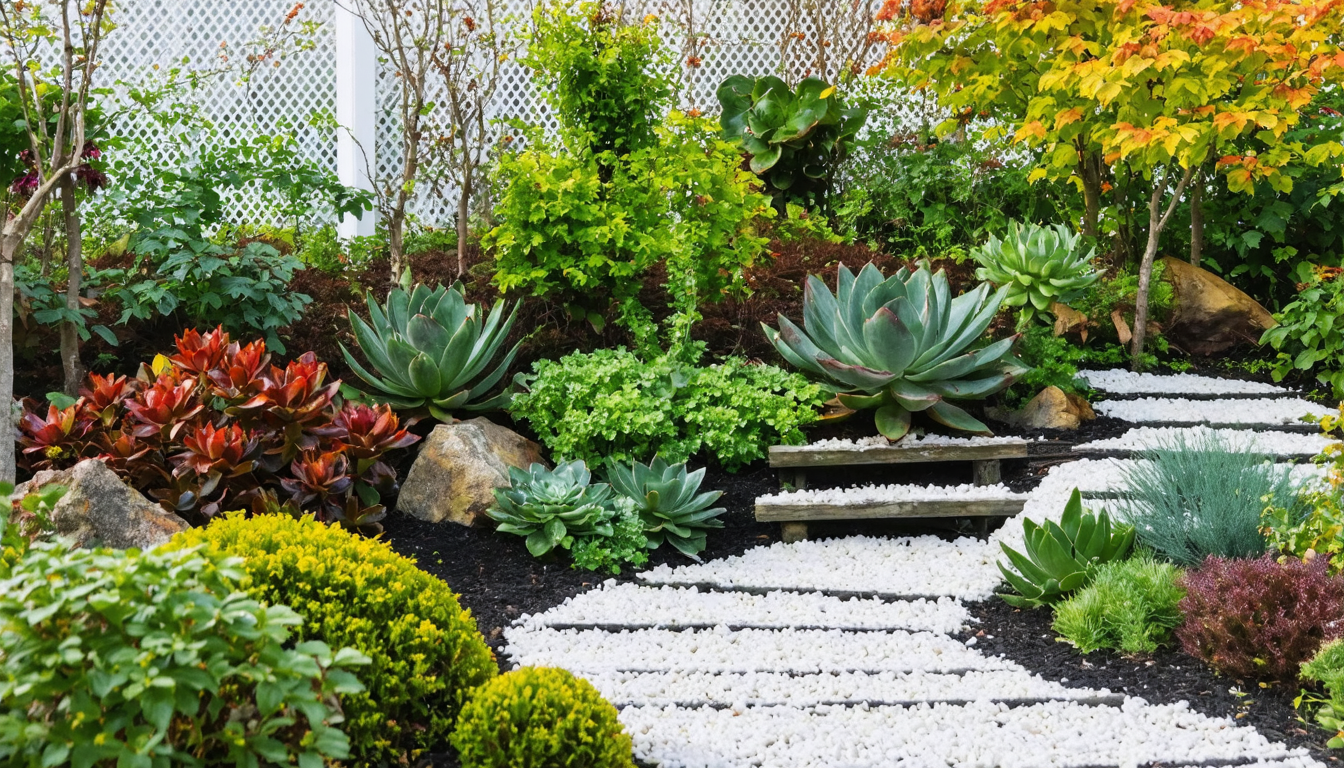
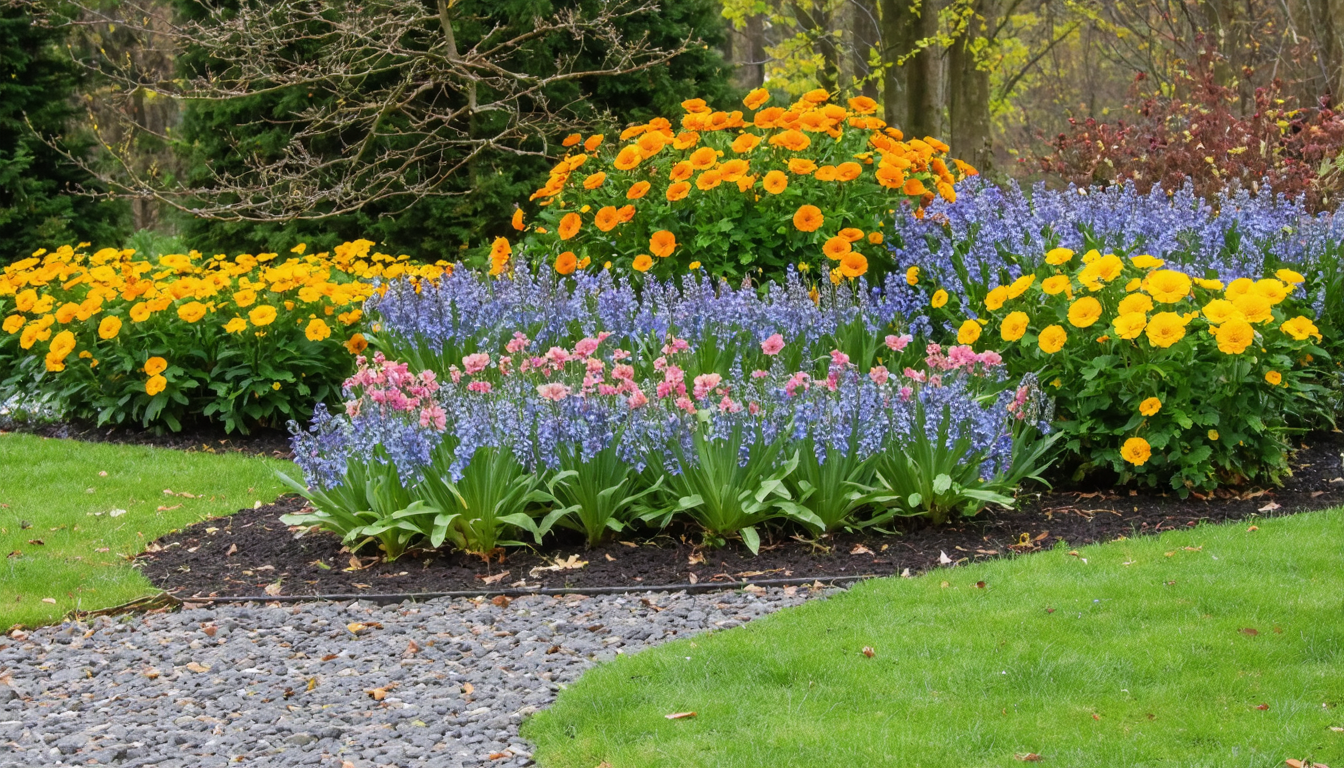
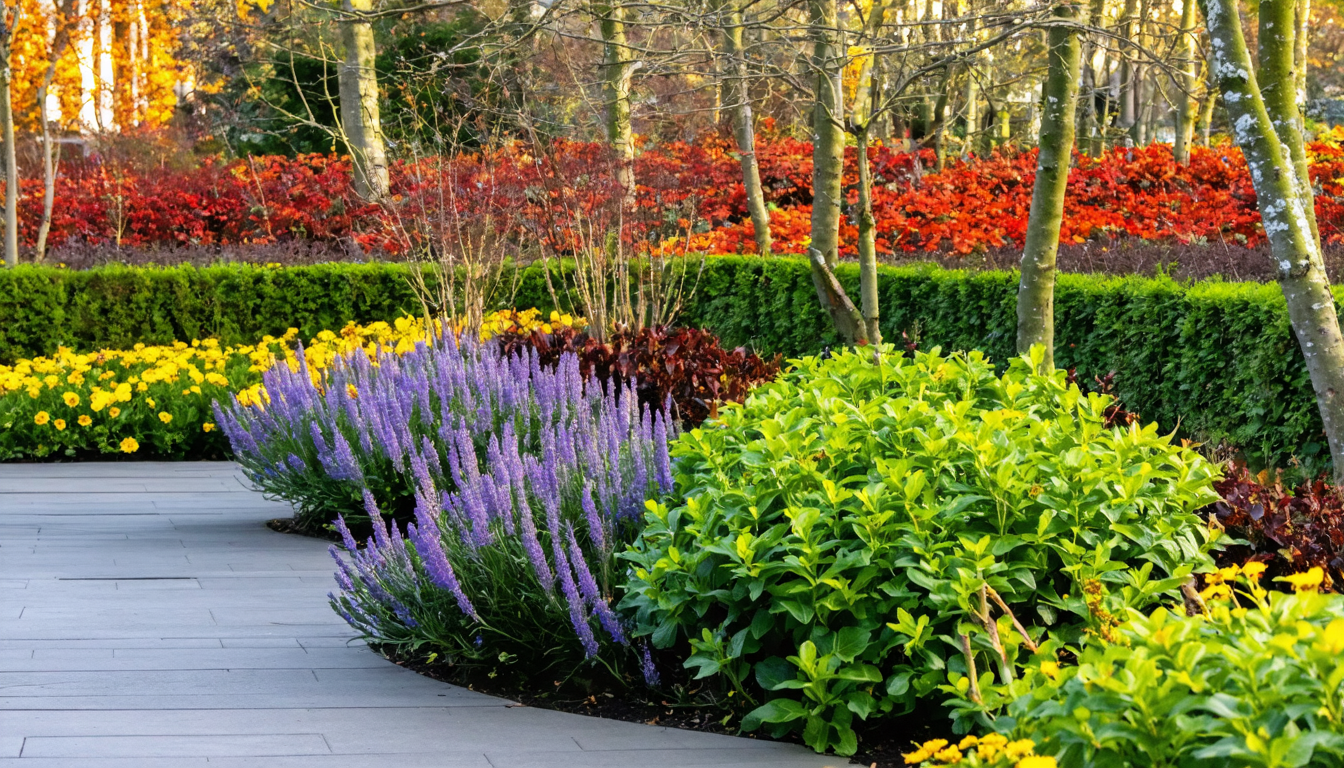
The garden is a diverse mix of functional and educational plants. Fast-growing radishes and lettuce provide quick rewards, while tomatoes and peppers teach patience. Herbs like basil and mint are used for cooking lessons, and native flowers are planted to support local pollinators, turning the garden into a full ecosystem.
The Ripple Effect: From Garden to Table
The harvest doesn’t just end in the garden. The boys are involved in washing, preparing, and cooking the produce they’ve grown. This completes the cycle, directly linking their hard work to a nutritious meal on their plates, which reinforces lessons in health, nutrition, and sustainability.
A Unique Insight: The Soil Food Web & Mental Wellbeing
While the therapeutic benefits of being outdoors are well-known, few realize there’s a scientific connection between soil health and mental health. A thriving garden depends on a complex ecosystem beneath the surface known as the soil food web—a community of bacteria, fungi, protozoa, and nematodes.
Remarkably, contact with healthy soil can directly impact our mood. A specific soil bacterium, *Mycobacterium vaccae*, has been shown to stimulate the release of serotonin in the brain. Serotonin is a key hormone that stabilizes our mood, feelings of well-being, and happiness. This means that digging in the dirt isn’t just metaphorically grounding; it can literally act as a natural antidepressant, providing a scientific explanation for the sense of peace and contentment that gardening brings to the boys.
Comparing the Outcomes: Before and After the Initiative
| Aspect | Before the Garden | After the Garden |
|---|---|---|
| Daily Engagement | Days could lack structure and purpose, leading to passive activities. | Boys have a purposeful routine and a tangible project to care for daily. |
| Understanding of Food | Food was often seen as a commodity that simply appeared on a plate. | Boys understand the entire lifecycle of food, from seed to harvest, making them informed producers. |
| Response to Challenges | Frustration might be expressed through negative behaviors. | They learn to problem-solve garden issues like pests or weather, building resilience and patience. |
Frequently Asked Questions (FAQs) About the Initiative
How can other organizations partner with OSU Master Gardeners?
Any community organization, school, or non-profit can explore a partnership by contacting their local OSU County Extension office. The Master Gardener program is always looking for new ways to serve the community.
What are the biggest challenges the initiative has faced?
The primary challenges have been adapting to Oklahoma’s unpredictable weather, such as extreme heat and sudden storms, and maintaining the boys’ engagement through the more tedious phases of gardening, like weeding. The Master Gardeners help by making these tasks educational and fun.
Do the boys receive any formal certification for their work?
While not a formal certification, the boys do receive recognition for their participation and learning. Some programs incorporate elements of the Junior Master Gardener curriculum, and all participants gain a portfolio of practical skills they can list on future resumes or applications.
How is the success of the gardening program measured?
Success is measured in two key ways:
Qualitatively: Staff observe improvements in mood, cooperation, communication, and pride.
Quantitatively: They track metrics like the pounds of produce harvested and used in the home’s kitchen, providing concrete evidence of their accomplishment.
Conclusion: Harvesting Hope for the Future
The collaboration between the OSU Master Gardeners and the Tulsa Boys Home with their gardening initiative is a powerful testament to how working with the land can cultivate growth in the human spirit. This program does more than grow vegetables; it grows confidence, resilience, and hope. It stands as a thriving model for how community expertise and compassionate care can come together to create a brighter future for young people, one seed at a time.