Why a Seasonal Approach is Key to a Thriving Pollinator Habitat
The Frustration of “One-and-Done” Gardening
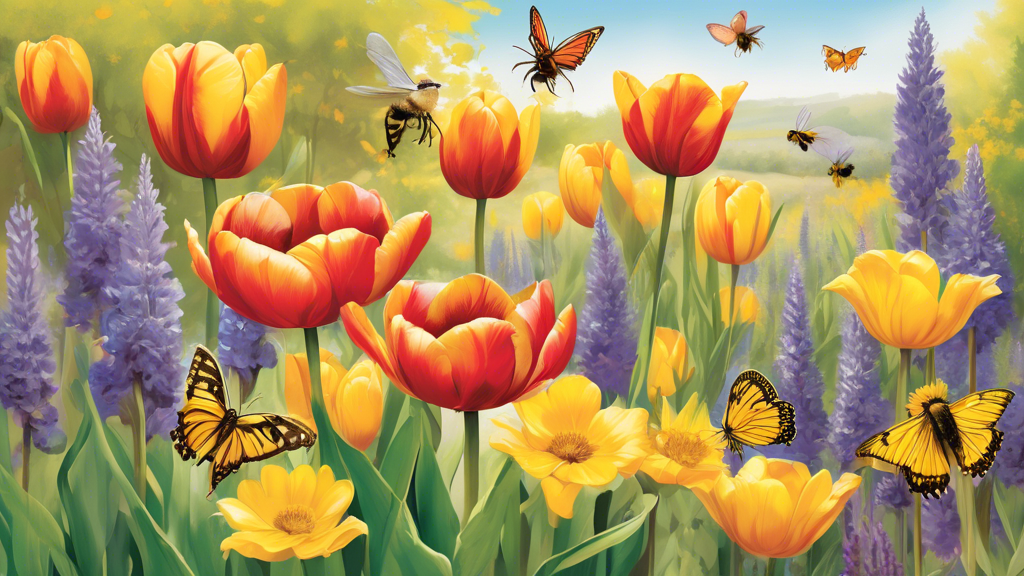
Many gardeners experience the disappointment of planting a beautiful pollinator patch, only to see visitor numbers dwindle after the initial bloom. A single seasonal effort often fails to provide the continuous, reliable food and shelter pollinators need throughout their entire life cycles. By adopting a year-round strategy, you create a stronger, more resilient local ecosystem that supports these vital creatures from early spring to late fall and through the winter.
Spring: Awakening and Fueling Growth
Clean-Up with Care
Resist the urge for a thorough spring clean-up immediately. A crucial, often overlooked practice is to leave some leaf litter and dead stems until daytime temperatures are consistently above 50°F (10°C). Many native bees and beneficial insects, like queen bumblebees and butterfly chrysalises, are still hibernating inside this “garden debris.” Disturbing it too early can be fatal.
Early Bloomers are Lifelines
After a long winter, early-emerging pollinators are desperate for energy. Planting early-season nectar sources like crocus, lungwort, and willow shrubs provides a critical lifeline, ensuring they have the fuel needed to start their colonies and life cycles.
Dividing and Conquering (Your Plants)
Spring is the ideal time to divide overgrown perennials. This not only rejuvenates the plants but also allows you to spread their blooms to other garden areas, effectively creating more feeding stations and supporting a greater number of pollinators.
Summer: Sustaining the Buzz and Managing Boom
The Art of Strategic Watering
Pollinators need water, but deep birdbaths are a drowning hazard. Provide shallow water sources by filling a plant saucer or shallow bowl with water and pebbles or marbles, creating safe landing spots for bees and butterflies to drink.
Succession Planting vs. Deadheading: A Comparison
To maintain a continuous food supply, you have two primary strategies. The table below compares them to help you decide the best approach for your garden.
| Strategy | What it is | Best For |
|---|---|---|
| Succession Planting | Planting new rounds of flowers every few weeks. | Annuals and vegetable gardens; ensures non-stop blooms. |
| Deadheading | Removing spent flowers from existing plants. | Perennials; encourages a second, smaller bloom period. |
Managing Pests the Pollinator-Friendly Way
Avoid broad-spectrum pesticides that harm beneficial insects. Instead, encourage a balanced ecosystem by attracting predatory insects like ladybugs and lacewings, which naturally control aphid and mite populations.
Autumn: Preparing for the Long Sleep
Don’t “Clean Up” Too Much
This is the most critical season for what some call “lazy gardening.” Standing plants and seed heads are not an eyesore; they are a winter lifeline. They provide crucial seeds for birds and, more uniquely, hollow stems serve as nesting sites for mason bees and other pollinators to overwinter. Leaving this structure is one of the best things you can do.
Planting for Next Year’s Success
Fall is the best time to plant perennials, trees, and shrubs. The warm soil and cool air encourage strong root establishment, giving your plants a head start for a vigorous bloom the following spring.
Providing Late-Season Banquets
As other flowers fade, late-blooming plants become essential. Goldenrod, asters, and sedum provide a crucial late-fall nectar feast, giving pollinators the final energy reserves they need to migrate or hibernate.
Winter: Protection and Planning
Providing Shelter from the Storm
The leaf litter and plant stems you left in autumn now act as a natural insulating blanket, protecting overwintering insects and eggs from freezing temperatures and harsh weather.
The Gardener’s Secret Weapon: Winter Sowing
A highly effective, low-effort method for growing native perennials is winter sowing. You can sow seeds in moist soil in repurposed milk jugs or clear containers and leave them outdoors. The natural freeze-thaw cycle stratifies the seeds (mimicking winter conditions), leading to perfectly timed, hardy germination in the spring with no indoor setup required.
Reflect and Plan for Next Season
Use this quiet time to research new native plants for your region, assess what worked well in your garden, and sketch plans for expansions or improvements for the coming year.
Frequently Asked Questions About Pollinator Gardens
I have a small space/balcony. Can I still help?
Absolutely! Container gardening is a powerful tool. Focus on high-nectar plants like lavender, salvia, and zinnias in pots. Even a single container can serve as a vital fueling station for passing pollinators.
What’s the single biggest mistake that harms pollinators?
Using systemic pesticides, such as neonicotinoids. These chemicals are absorbed by the plant and remain present in its pollen and nectar, effectively poisoning the very insects you’re trying to support. Always check plant tags and avoid these products.
Should I provide a “bee hotel”?
They can benefit some solitary bees, but they require proper maintenance to prevent the spread of mites and disease. A simpler and often better alternative is to leave bare, unmulched patches of soil in sunny areas, which provides ideal nesting grounds for the vast majority of native bees that are ground-nesters.
Is a non-native plant like Butterfly Bush bad?
While it provides nectar, it’s often compared to “junk food” for pollinators—it offers sugar but lacks the co-evolved nutritional complexity of native plants. Superior native alternatives like Buttonbush or New Jersey Tea provide high-quality nutrition and also serve as host plants for caterpillar species, supporting the entire pollinator life cycle.
Your Year-Round Commitment Makes a Difference
By following this seasonal guide, you are doing more than just gardening. You are creating a vital sanctuary that supports local biodiversity, strengthens our food systems, and brings dynamic, beautiful life to your outdoor space all year long. Your consistent, mindful efforts create a ripple effect of health for the entire ecosystem.