Introduction to DIY Pest Control
For the home gardener, few things are as disheartening as discovering your precious plants under attack. While the immediate reaction might be to reach for a powerful chemical spray, a proactive, natural approach to pest management is not just a trend—it’s a cornerstone of cultivating a truly healthy and resilient garden. Embracing DIY pest control solutions offers a trifecta of benefits: it’s remarkably cost-effective, using common household items; it ensures the safety of your children, pets, and local wildlife; and it actively contributes to a more sustainable and environmentally friendly gardening practice.
Identifying Common Garden Pests and Their Damage
Effective control starts with accurate identification. Knowing your enemy is half the battle won.
Chewing Pests
These pests leave very visible evidence of their feasting. Look for irregular holes in leaves, skeletonized foliage where only the veins remain, or entire leaves that have been devoured. Common culprits include:
- Caterpillars: The larval stage of butterflies and moths.
- Beetles: Such as Japanese beetles or Colorado potato beetles.
- Slugs and Snails: These moisture-loving pests leave a tell-tale silvery slime trail and chew large, ragged holes, often active at night or on overcast days.
Sucking Pests
These insects are more subtle but can be just as destructive. They pierce plant tissues and suck out the sap, leading to stunted growth, yellowing, and curled leaves. You might also notice a sticky residue known as honeydew, which can attract ants and lead to sooty mold.
- Aphids: Small, pear-shaped insects that cluster on new growth and the undersides of leaves.
- Spider Mites: Tiny arachnids that cause stippling (tiny yellow dots) on leaves and fine webbing.
- Whiteflies: Tiny, white, moth-like insects that swarm when the plant is disturbed.
Soil-Dwelling Pests
These pests attack your plants from below the surface, often going unnoticed until significant damage is done.
- Grubs: The larvae of various beetles, these C-shaped critters feed on grass and plant roots, causing wilting and yellowing.
- Cutworms: These caterpillars sever young seedlings at the soil line, effectively “cutting” them down.
Top DIY Pest Management Solutions for Home Gardeners
Physical and Mechanical Barriers
These methods prevent pests from reaching your plants in the first place.
- Row Covers: Lightweight fabric blankets placed over crops create a physical barrier against flying and many crawling insects while still allowing light and water through.
- Copper Tape for Slugs and Snails: When slugs and snails attempt to cross copper tape, it reacts with their slime, creating a mild electric shock that deters them. It’s a highly effective, set-it-and-forget-it solution for raised beds and containers.
- Hand-Picking: While it may seem primitive, hand-picking larger pests like Japanese beetles, hornworms, and squash bugs in the early morning or evening is incredibly effective for small to medium-sized gardens. Drop them into a bucket of soapy water.
Homemade Sprays and Repellents
Create your own safe and effective pest control concoctions with items from your kitchen and garden.
| Solution | Best For | Recipe & Application |
|---|---|---|
| Soap Spray | Aphids, Spider Mites, Whiteflies | Mix 1-2 teaspoons of pure castile soap (not detergent) per quart of water. Spray directly onto pests, coating them thoroughly. The soap breaks down their protective outer coating. |
| Neem Oil Solution | A broad-spectrum solution for aphids, mites, mildew, and more. | Combine 1-2 teaspoons of neem oil and 1/2 teaspoon of castile soap per quart of warm water. Shake well and spray on leaf surfaces, including undersides. It disrupts pest hormones and acts as a repellent. |
| Garlic & Chili Spray | A general repellent for a wide variety of chewing and sucking insects. | Blend two garlic bulbs and a few hot peppers with a little water. Steep overnight, strain, and add a teaspoon of soap. Dilute before spraying. The strong odor and capsaicin deter pests. |
Biological Controls: Enlisting Nature’s Help
This strategy involves recruiting other living organisms to fight your pests for you.
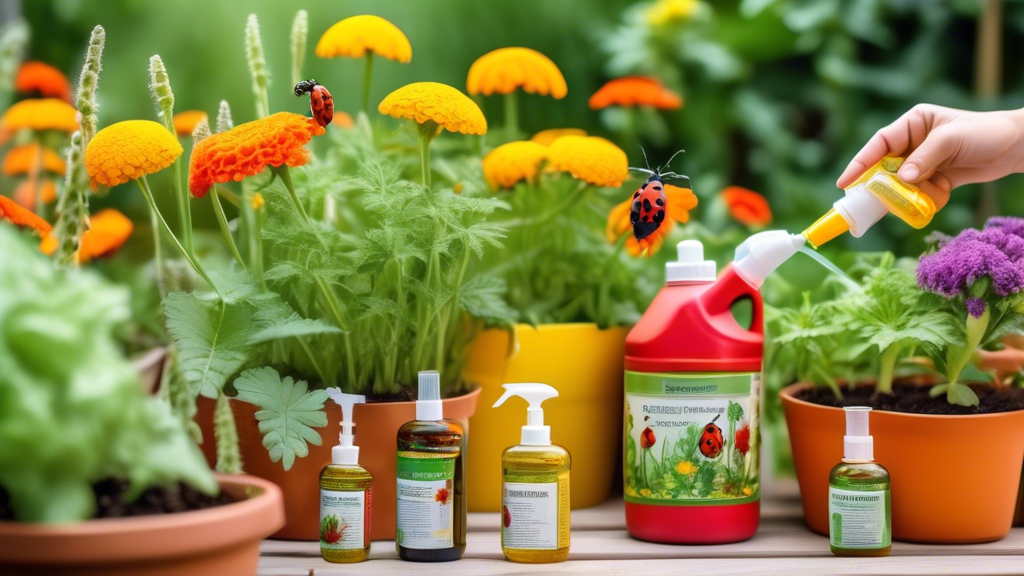
- Encouraging Beneficial Insects: Plant a diverse garden with plenty of nectar and pollen sources to attract predators like ladybugs (which devour aphids), lacewings, and hoverflies.
- Plant “Trap Crops”: A clever and often overlooked strategy is to plant a sacrificial crop that is more attractive to pests than your main vegetables. For example, nasturtiums are excellent for luring aphids away from your tomatoes and beans. Once the pests congregate on the trap crop, you can simply remove and dispose of the infested plants.
- Introducing Nematodes for Soil Pest Control: Beneficial nematodes are microscopic, worm-like organisms that you mix with water and apply to the soil. They actively seek out and infect soil-dwelling pests like grubs and cutworms, killing them from the inside out.
DIY Solution vs. Commercial Pesticides: A Quick Comparison
Pros and Cons of DIY Solutions
| Pros | Cons |
|---|---|
|
|
Pros and Cons of Commercial Pesticides
| Pros | Cons |
|---|---|
|
|
Proactive Practices: The Best Defense is a Good Offense
Preventing pest problems before they start is the most effective strategy of all.
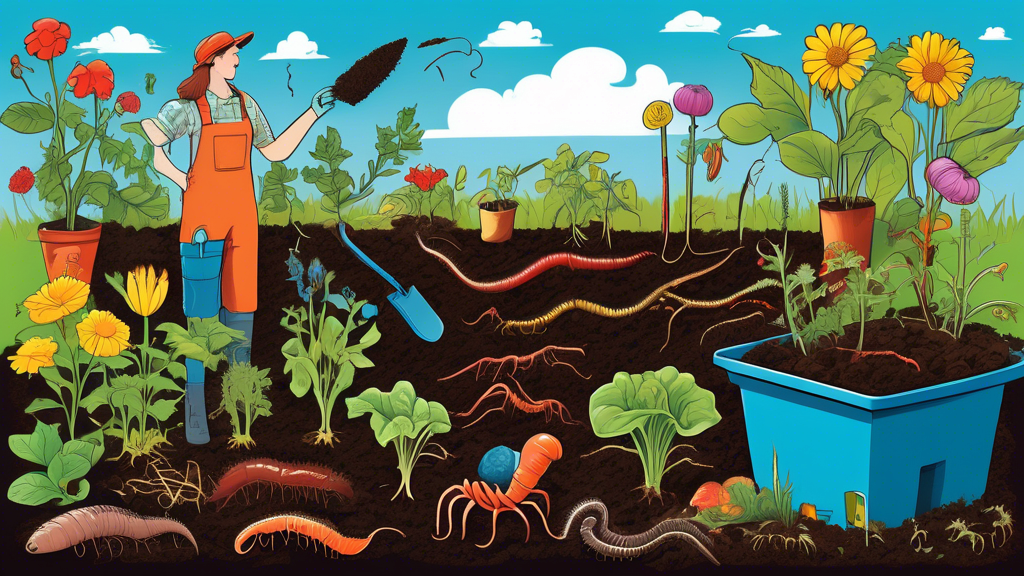
- Healthy Soil is the Foundation: Plants growing in rich, well-balanced soil are naturally more vigorous and better able to withstand pest pressure. Regularly amend your soil with compost.
- Companion Planting: Strategically planting certain species together can help repel pests. For example, planting basil near tomatoes can help deter tomato hornworms.
- Proper Crop Rotation: Avoid planting the same family of crops in the same spot year after year. This disrupts the life cycles of pests that are specific to those plants.
Frequently Asked Questions (FAQs) About DIY Pest Control
Are homemade sprays safe for all plants?
While most homemade sprays are very gentle, some plants with delicate foliage can be sensitive. Certain herbs or seedlings, for example, might experience leaf burn from soap or oil sprays. Always test any spray on a small, inconspicuous part of the plant and wait 24-48 hours to check for a reaction before applying it to the entire plant.
How often should I apply DIY pest solutions?
Since most DIY solutions have no long-lasting residual effect and are easily washed away, they typically need to be reapplied every 5 to 7 days, or more frequently after a heavy rain. Consistent monitoring is key to staying ahead of the problem.
What is the one tool I shouldn’t overlook?
A simple, strong jet of water from your garden hose. It’s one of the most effective and immediate ways to dislodge aphids, spider mites, and other small, soft-bodied pests before their population explodes. Spray the undersides of the leaves thoroughly every few days at the first sign of trouble.
When is it time to call a professional?
If a pest infestation becomes widespread and causes significant, rapid damage despite your DIY efforts, it may be time to seek help. This is especially true for pests that threaten the structural integrity of your home, like termites or carpenter ants, or for large-scale infestations of difficult-to-eradicate pests.