Why Your Garden’s Soil Needs Your Help
The Problem of Compacted, Hard Soil
Compacted soil is a common issue caused by foot traffic, heavy rainfall on bare earth, and a lack of organic matter. This dense soil creates a physical barrier that restricts root growth and severely limits the movement of essential water and air, leading to stressed and underperforming plants.
The Frustration of Poor Drainage and Waterlogging
If puddles linger long after a rain shower, you’re likely dealing with poor drainage. This waterlogged environment suffocates plant roots and creates ideal conditions for destructive root rot and other fungal diseases, threatening the entire garden’s health.
Dealing with Nutrient Depletion and “Hungry” Plants
Gardens are not a closed system. Every plant you harvest takes a portion of the soil’s nutrients with it. Over time, this leads to nutrient depletion, leaving your plants “hungry” and showing clear signs of deficiency like yellowing leaves and stunted growth.
The Battle Against Pests and Diseases
Unhealthy soil creates weak plants, and weak plants are a beacon for pests and diseases. This often starts a vicious cycle where gardeners reach for chemical solutions that can further harm the beneficial soil life, making the underlying problem even worse.
Foundational Organic Methods for Enhancing Soil Health in Your Garden
Composting: Black Gold for Your Garden
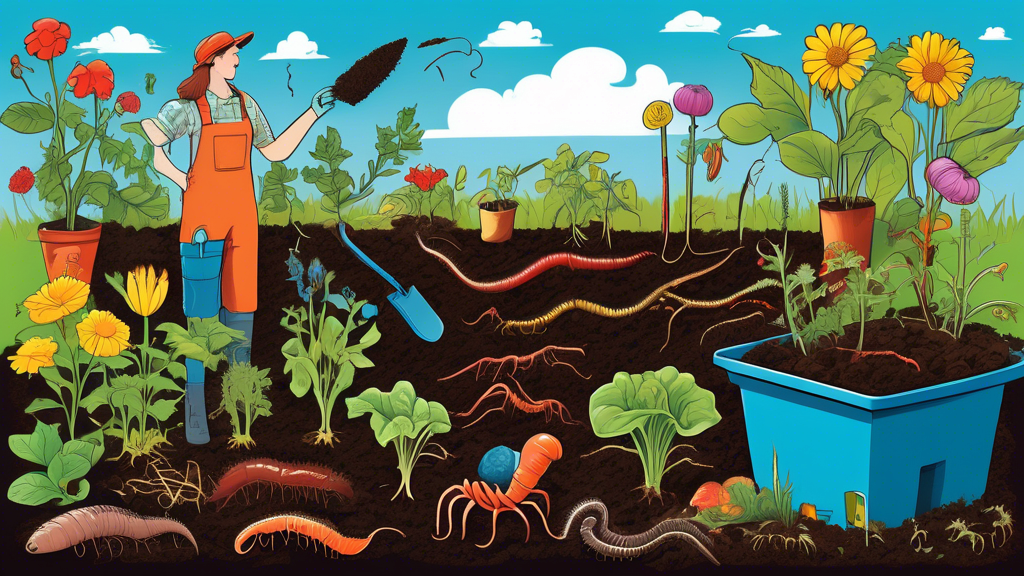
Composting transforms kitchen scraps and yard waste into a rich, humus-like material that is the cornerstone of organic gardening. To start, maintain a balance between “green” materials (like vegetable peels and grass clippings for nitrogen) and “brown” materials (like dried leaves and cardboard for carbon). You can use simple piles, enclosed bins, tumblers, or even a worm farm (vermicomposting). The finished compost can be mixed into garden beds, used as a top dressing, or added to planting holes.
The Magic of Cover Cropping (Green Manures)
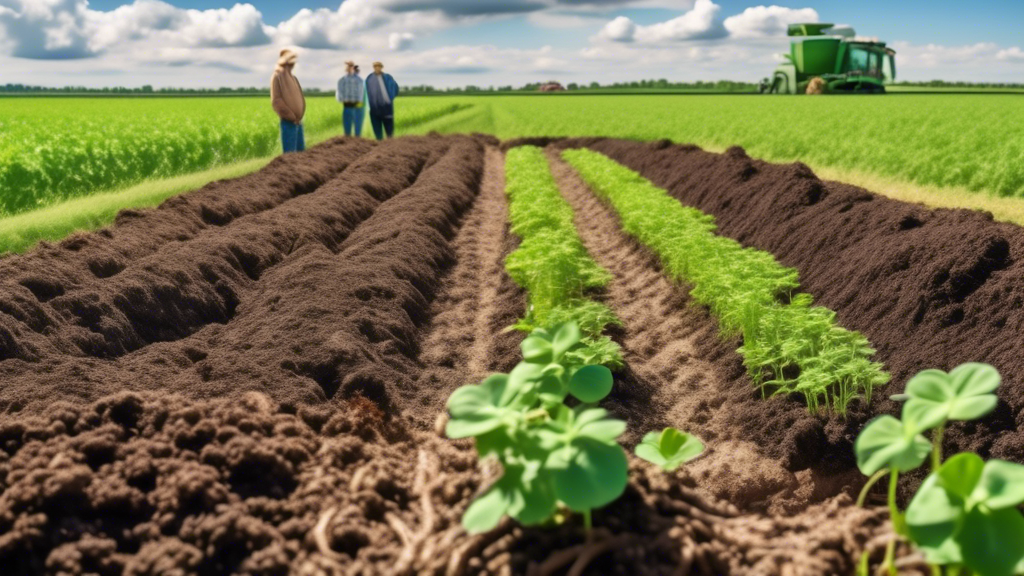
Cover crops, also known as green manures, are plants grown not for harvest but to benefit the soil. Crops like clover, winter rye, and buckwheat are sown during off-seasons. They work to prevent soil erosion, suppress weeds, and, in the case of legumes like clover, pull nitrogen from the air and fix it in the soil. They are later cut down and left on the surface as mulch or tilled lightly into the soil in a process known as “chop and drop.”
Mulching: A Blanket for Your Soil
Applying a layer of organic mulch is like tucking your soil in with a protective blanket. It conserves moisture by reducing evaporation, suppresses weed growth by blocking sunlight, and helps regulate soil temperature. Excellent mulches include straw, wood chips, shredded leaves, and grass clippings. Apply a 2-4 inch layer, being careful to keep it a few inches away from plant stems to prevent rot.
Advanced Techniques for a Thriving Soil Ecosystem
Creating and Using Actively Aerated Compost Tea (AACT)
Actively Aerated Compost Tea (AACT) is a liquid solution brewed to multiply the beneficial bacteria and fungi found in quality compost. By aerating a mixture of compost and water for 24-48 hours, you create a microbial inoculant that can be sprayed onto plant leaves or drenched into the soil. This supercharges the soil’s biological activity, helping to suppress plant diseases and improve nutrient availability.
The Power of “Chop and Drop” Mulching
This permaculture technique turns gardening into a closed-loop system. Certain nutrient-accumulator plants you already grow, such as comfrey and borage, can be cut down periodically. The leaves and stems are then simply dropped around your crops as an instant, nutrient-rich mulch and fertilizer, building soil directly in your garden beds.
Boosting Soil Life with Mycorrhizal Fungi
An often-overlooked secret of soil health is the symbiotic relationship between plant roots and mycorrhizal fungi. These fungi attach to plant roots and extend a vast, microscopic network of filaments (hyphae) that act as an extension of the root system. This network can increase the root’s reach by thousands of percent, dramatically improving the plant’s access to water and nutrients like phosphorus. You can purchase mycorrhizal inoculants as a powder or granules to apply at planting time and kickstart this powerful partnership.
Organic Soil Amendments: A Comparison Guide
Compost vs. Manure: Which Should You Use?
| Amendment | Best For | Key Considerations |
|---|---|---|
| Compost | Improving overall soil structure and providing a slow-release, balanced nutrient source. | Well-balanced and stable; very low risk of burning plants. Excellent for all-around soil building. |
| Manure | Providing a heavy dose of nutrients, particularly nitrogen. | Must be well-aged or composted (at least 6 months) to kill pathogens and avoid “burning” plants with excess ammonia. |
Alfalfa Meal vs. Bone Meal: Targeting Specific Nutrients
| Amendment | Primary Nutrient | Unique Benefits & Uses |
|---|---|---|
| Alfalfa Meal | Nitrogen (N) | Also contains triacontanol, a natural plant growth stimulant. Great for giving leafy greens a boost. |
| Bone Meal | Phosphorus (P) | Excellent for promoting strong root development and prolific flowering in bulbs and fruiting plants. |
Frequently Asked Questions
How long does it take to see results from organic methods?
Some benefits, like improved moisture retention from mulching, are immediate. However, significant improvements in soil structure, fertility, and ecosystem balance are a gradual process. You can expect to see noticeable positive changes within one to two full growing seasons as the soil life reestablishes itself.
Can I use organic methods in container gardens?
Absolutely. Start with a high-quality potting mix and amend it with 20-30% compost. You can use liquid organic fertilizers like compost tea or fish emulsion to feed your plants. It’s also crucial to repot your plants annually with fresh, amended mix to replenish nutrients and soil structure.
Are organic methods more expensive than chemical fertilizers?
The initial setup for some methods, like building compost bins, can have a cost. However, organic gardening is an investment that pays dividends. By creating a self-sustaining system, you drastically reduce or eliminate the need for repeated purchases of synthetic fertilizers and pesticides, saving money in the long run.
How do I test my soil’s health at home?
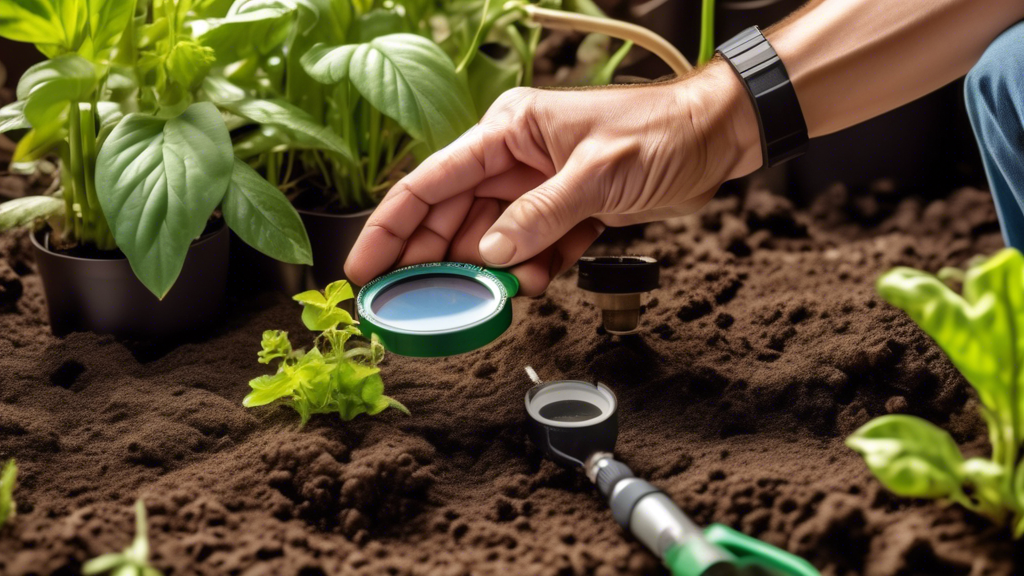
Beyond a simple pH test kit, you can perform two easy physical tests. The Earthworm Test: Dig a one-cubic-foot section of soil. Finding at least ten earthworms is a great indicator of healthy, biologically active soil. The Jar Test: Fill a clear jar one-third with soil and two-thirds with water, shake vigorously, and let it settle for 24 hours. The layers that form will show the proportions of sand, silt, and clay, revealing your soil’s texture.