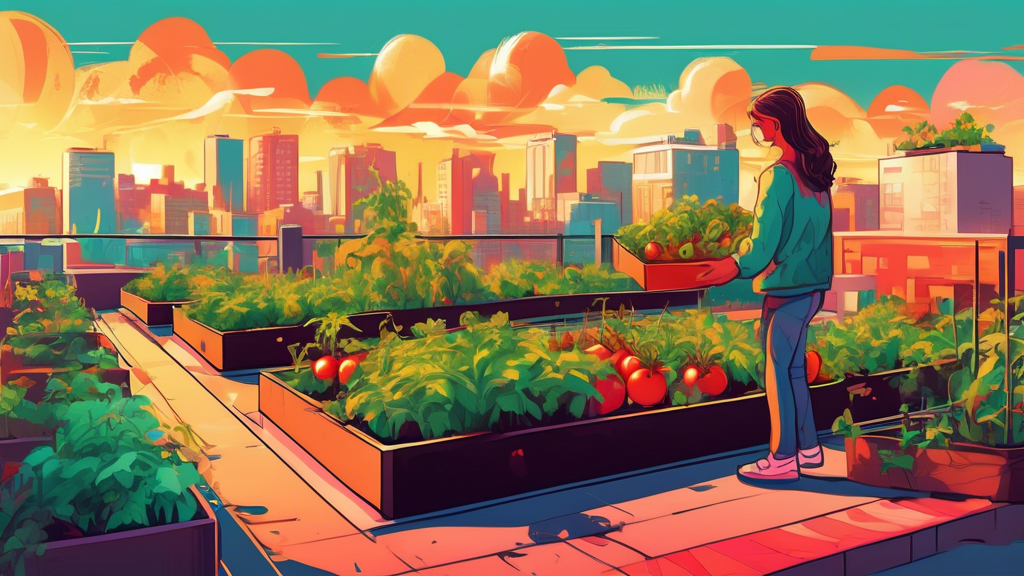
Why Start an Urban Garden? The Benefits Beyond the Harvest
Reconnect with Your Food Source
Experience the unparalleled satisfaction of harvesting and eating what you’ve nurtured from seed. This connection fosters a deeper appreciation for your meals and the effort behind them.
Transform Your Living Space
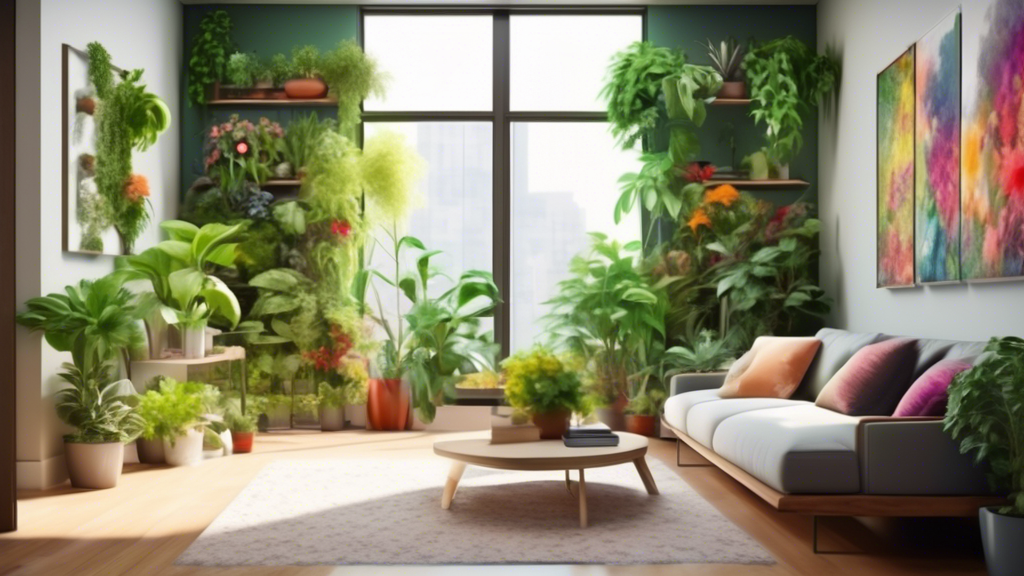
Plants are natural air purifiers and mood enhancers. An urban garden can turn a sterile balcony or a dull windowsill into a vibrant, tranquil retreat, improving your overall well-being.
A Rewarding & Sustainable Hobby
Gardening is a proven stress-reliever. By growing your own food, you also contribute to sustainability by drastically reducing the carbon footprint associated with transporting produce from farm to table.
Getting Started: Your First Steps to a Green Thumb
Assessing Your Urban Space: Sun, Space, and Style
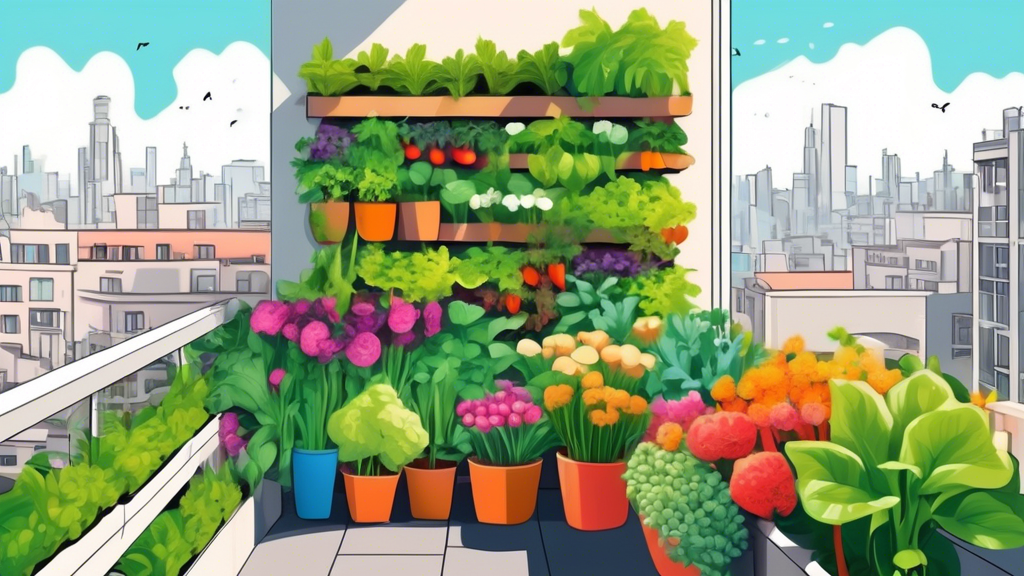
Many aspiring gardeners feel limited by their environment. The key is to work with what you have. Observe your space for a few days to understand its sunlight patterns—full sun (6+ hours), partial shade (3-6 hours), or full shade. Even a bright windowsill can host a productive herb garden. Balconies, railings, and walls are all potential real estate for your plants.
Essential Tools & Supplies for the Urban Gardener
You don’t need a shed full of equipment. Start with these basics:
- Containers with Drainage: Pots, window boxes, or even upcycled buckets with holes drilled in the bottom.
- High-Quality Potting Mix: Do not use garden soil, as it compacts in containers and hinders root growth.
- Hand Trowel & Gloves: For planting and light digging.
- Watering Can with a Rose Nozzle: Provides a gentle shower that won’t displace seeds or damage young plants.
- Seeds or Seedlings: Seedlings give you a head start, while seeds are more economical.
Choosing What to Grow: From Herbs to Heirlooms
Top 10 Foolproof Plants for Beginners
Success early on builds confidence. These plants are resilient and productive:
- Basil
- Mint (grow in a container to control its spread)
- Lettuce & Salad Greens
- Kale
- Swiss Chard
- Green Onions (you can even regrow them from scraps!)
- Radishes
- Cherry Tomatoes
- Bush Beans
- Strawberries
Container Gardening vs. Vertical Gardening: Which is Right for You?
| Method | Best For | Pros | Cons |
|---|---|---|---|
| Container Gardening | Balconies, patios, windowsills | Highly portable, easy to manage, great for a wide variety of plants. | Can be heavy; limited root space for large plants. |
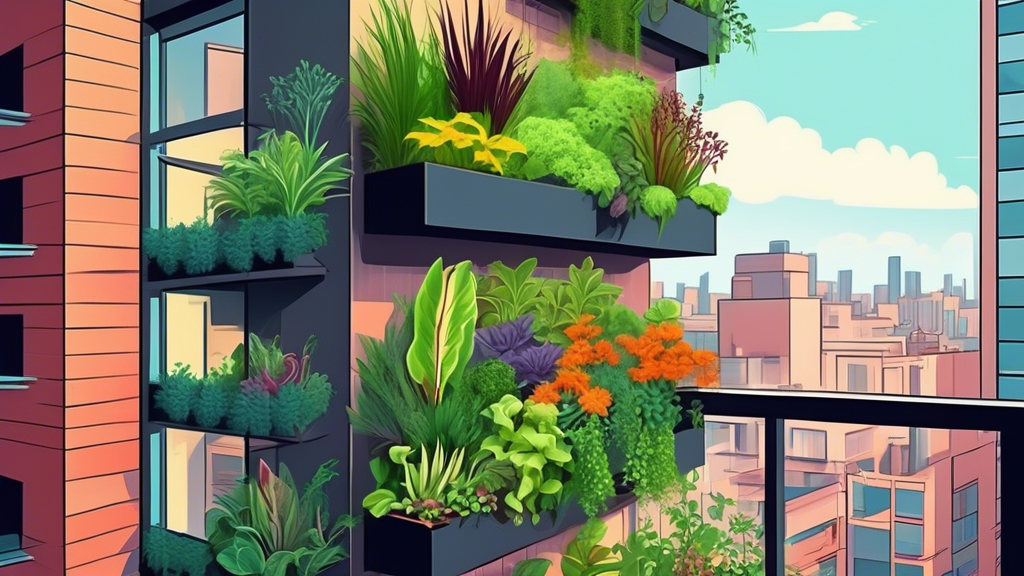
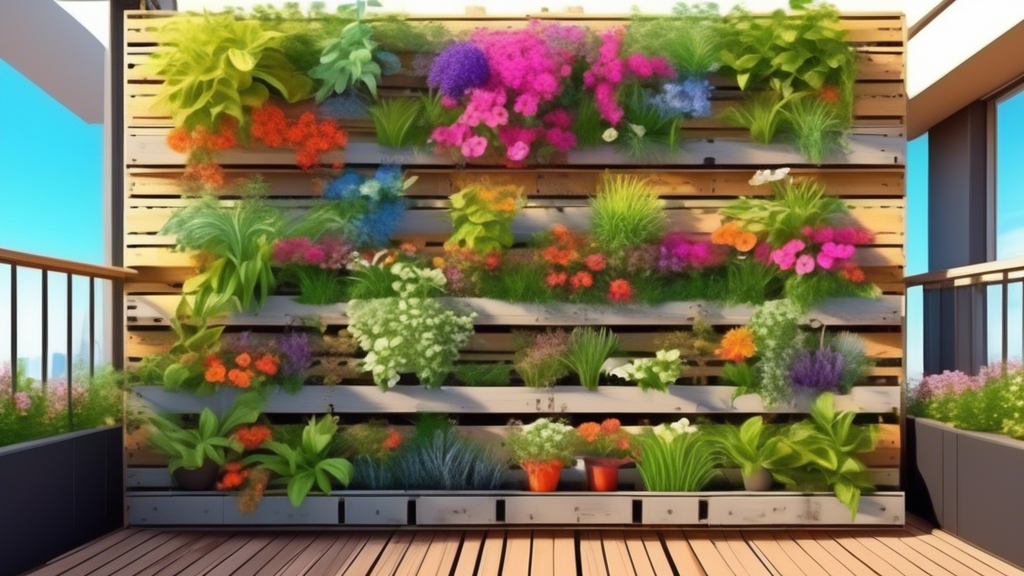
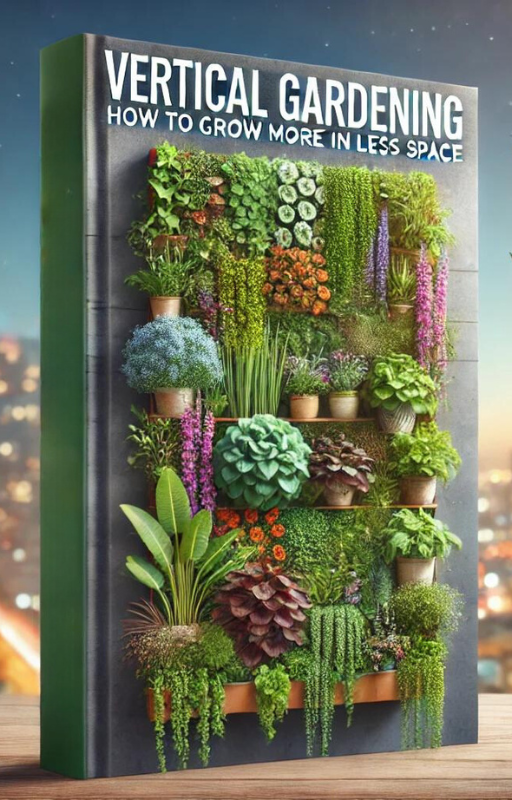
| Vertical Gardening | Maximizing wall space, small footprints | Creates a “living wall,” ideal for small herbs, leafy greens, and strawberries. | Can be complex to set up; may require more frequent watering. |
Overcoming Common Urban Gardening Challenges
“I Don’t Get Enough Sunlight!”
This is a very common constraint. The solution is to choose plants that thrive in lower light. Excellent choices for shadier spots include leafy greens (lettuce, spinach, kale), herbs like mint and parsley, and root vegetables like beets and carrots.
“How Do I Water Correctly Without Making a Mess?”
Overwatering is a bigger killer than underwatering for beginners. Use the “finger test”—stick your finger an inch into the soil. If it’s dry, it’s time to water. Always use pots with saucers to catch excess water and prevent damage to your surfaces. For a low-maintenance solution, look into DIY self-watering containers using a wicking system from a water reservoir.
“What About Pests in the City?”
Pests can find your garden anywhere. Avoid harsh chemicals. Instead, encourage natural predators like ladybugs and lacewings. A weekly spray with a diluted neem oil solution is an effective, organic deterrent for many common pests like aphids and mites. Planting marigolds or basil among your vegetables can also help repel pests naturally.
The Urban Gardener’s Secret Weapon: Succession Planting
Many new gardeners don’t realize they can harvest multiple crops from the same small space. Succession planting is the practice of immediately sowing a new crop after you’ve harvested the previous one. For instance, radishes mature in about 25-30 days. Once you pull them, you can plant the same container with quick-growing bush beans. This technique ensures a non-stop supply of fresh produce throughout the growing season, maximizing your yield per square foot.
Your Month-by-Month Urban Gardening Checklist
| Season | Key Tasks |
|---|---|
| Spring | Start seeds indoors; clean containers; prepare potting mix; begin hardening off seedlings; plant cool-weather crops like lettuce and peas. |
| Summer | Transplant warm-weather crops (tomatoes, peppers); water regularly; mulch to retain moisture; monitor for pests; begin harvesting! |
| Fall | Harvest remaining summer crops; plant cool-weather crops for a second harvest; plant garlic for next year; clean up plant debris. |
| Winter | Plan next year’s garden; order seeds; maintain indoor herb gardens; protect perennial plants from frost. |
Frequently Asked Questions (FAQs) for the Urban Gardening Beginner
What is the absolute easiest thing to grow for a complete beginner?
Herbs like mint and basil, or leafy greens like lettuce and kale. They germinate quickly, don’t require much space, and are very forgiving of minor mistakes, providing fast gratification.
Can I use soil from my local park in my containers?
No, this is not recommended. Garden soil compacts severely in containers, preventing proper drainage and air circulation for roots. It can also introduce weeds, pests, and soil-borne diseases to your controlled environment. Always use a sterile, well-aerated potting mix designed for containers.
How much time do I need to spend on my garden each week?
For a small to medium-sized urban garden, you can expect to spend just 15-30 minutes every two to three days for routine checks, watering, and light maintenance like pruning or harvesting. It’s a very manageable hobby.
Is urban gardening actually cost-effective?
It can be, particularly for high-value items like organic herbs, heirloom tomatoes, and salad greens. To maximize cost-effectiveness, start plants from seeds, upcycle containers, and make your own compost. The initial investment pays off over the season and in subsequent years.
Conclusion: Your Urban Jungle Awaits
Embarking on your urban gardening journey is a step towards a more sustainable, healthy, and fulfilling lifestyle. Remember, every expert gardener was once a beginner who learned by doing. Start small with a pot of herbs or a lettuce planter, celebrate your successes, learn from any setbacks, and most importantly, enjoy the process of nurturing life. Your personal green oasis is closer than you think.