Why You Should Start an Indoor Herb Garden
The Downsides of Store-Bought Herbs
Purchasing herbs from the grocery store often comes with several frustrations. You frequently find wilted, low-quality bunches that lack flavor and aroma. The cost, especially for organic varieties, can be surprisingly high for the small amount you receive. This habit also generates significant plastic packaging waste. Furthermore, it’s inconvenient to make a special trip to the store just because a recipe calls for a fresh sprig of rosemary or basil.
Getting Started: Your Pre-Planting Checklist
Choosing the Perfect Location
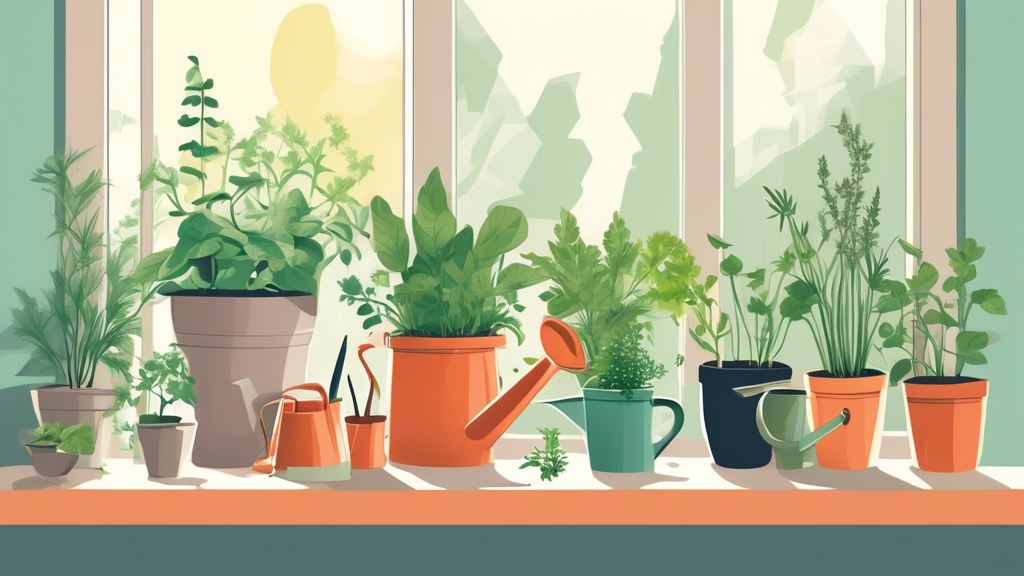
Light is the most critical factor for a successful indoor herb garden. A south-facing window is ideal, providing the most direct sunlight throughout the day. If your home lacks sufficient natural light, don’t be discouraged. Affordable and efficient full-spectrum LED grow lights can provide all the light your herbs need to thrive.
Selecting Your First Herbs: A Beginner’s Comparison
For your first garden, it’s best to choose herbs that are forgiving and fast-growing. Here’s a quick comparison to help you decide:
| Herb | Difficulty Level | Light Needs | Water Frequency |
|---|---|---|---|
| Basil | Easy | High | Keep soil moist |
| Mint | Very Easy | Moderate to High | Keep soil moist |
| Chives | Easy | Moderate | Let soil dry slightly |
| Rosemary | Moderate | High | Let soil dry out |
The Essential Gear You’ll Need
Pots and Containers: Drainage is Key
The single most important feature of any herb container is a drainage hole. Without it, water pools at the bottom, leading to root rot, which is the most common cause of plant failure. A simple pot with a saucer is far superior to a more decorative pot without a hole.
The Right Soil Mix Makes All the Difference
Never use soil from your outdoor garden for indoor pots. It’s too dense, doesn’t drain well, and can introduce pests and diseases. Instead, use a high-quality, lightweight potting mix specifically designed for containers. These mixes often contain perlite or vermiculite to ensure proper aeration and drainage.
The Step-by-Step Planting Process
Method 1: Starting from Seed (The Patient Gardener’s Path)
Starting from seed is cost-effective and offers a wider variety. Fill small pots or seed trays with moist potting mix. Sprinkle seeds on top and cover lightly with more soil, as most herb seeds need darkness to germinate. Keep the soil consistently moist and in a warm location until sprouts appear.
Method 2: Transplanting Starter Plants (The Instant Gratification Route)
This is the best method for beginners wanting quick results. Gently remove a young plant from its nursery pot. Place it in a new container that’s about 2 inches larger in diameter, filled partway with potting mix. Fill in around the roots with more soil, water thoroughly, and place it in its permanent sunny spot.
Caring for Your Indoor Herb Garden
The Golden Rule of Watering: How to Avoid the #1 Killer
Overwatering is the most common mistake. The best practice is the “finger test.” Stick your finger about an inch into the soil. If it feels dry, it’s time to water. If it feels moist, wait another day. It’s better to underwater slightly than to overwater.
To Feed or Not to Feed? A Guide to Fertilizing
Herbs grown in containers need occasional feeding as nutrients in the potting mix get depleted. Use a mild, organic, water-soluble fertilizer diluted to half-strength every 4-6 weeks during the main growing season (spring and summer). Avoid over-fertilizing, as this can lead to rapid but weak growth with less flavor.
Troubleshooting Common Problems
Yellowing Leaves? You Might Be Loving Them Too Much
Yellow, drooping leaves are almost always a sign of overwatering. The roots are suffocating. Let the soil dry out completely before watering again, and ensure your pot has proper drainage.
Leggy, Sparse Growth? It’s a Cry for More Light
If your herbs are growing tall and spindly with large gaps between leaves, they are stretching to find more light. Move them to a sunnier location or introduce a grow light placed closer to the plant tops.
Tiny Bugs on Your Plants? Identifying Common Pests
Aphids (small green or black bugs) and fungus gnats (tiny black flies) can sometimes appear. A strong spray of water can dislodge aphids. For gnats, let the soil surface dry out between waterings. You can also use yellow sticky traps.
Harvesting Your Herbs: How to Do It Right
The “Cut-and-Come-Again” Secret
Never just pick off a leaf from the top. To encourage bushy, full growth, always use clean scissors to snip a stem just above a set of leaves (a “leaf node”). This signals the plant to grow two new branches from that point, making it denser.
The Unique Tip: Harvest in the Morning
For the most potent flavor, harvest your herbs in the late morning, after the dew has evaporated but before the midday sun is at its strongest. The plant’s essential oils, which are responsible for its aroma and taste, are at their peak concentration at this time.
Frequently Asked Questions (FAQs)
What are the easiest herbs to grow indoors for a complete beginner?
Mint, chives, basil, and oregano are exceptionally forgiving and fast-growing, making them perfect for a first-time gardener.
Can I grow herbs indoors without a sunny window?
Absolutely. While a sunny window is ideal, a good quality LED or fluorescent grow light can provide all the energy your plants need. Many gardeners use lights to achieve even better results than with natural light alone.
How often should I water my indoor herbs?
There is no universal schedule. The frequency depends on the herb type, pot size, light levels, and temperature. Always use the “finger test” to check the soil moisture before watering.
Why are my herbs dying? (Diagnosing common issues)
The most likely culprits are overwatering (causing yellow leaves and root rot) or insufficient light (causing leggy, weak growth). Check your plant’s environment against these two factors first.
When is the best time to harvest my herbs?
You can start harvesting once the plant is well-established and has several sets of leaves. For the best flavor, harvest in the morning, and always use the “cut-and-come-again” method to promote new growth.
Conclusion: Enjoy Your Homegrown Bounty
Starting an indoor herb garden is a simple, rewarding journey that brings fresh, vibrant flavors to your kitchen year-round. By following these steps—choosing the right location and herbs, using proper pots and soil, and mastering basic care—you’ll be able to cultivate a thriving mini-garden. There’s nothing quite like the satisfaction of snipping your own homegrown herbs to elevate a home-cooked meal.