Why Choose Organic? The Benefits of Growing Naturally
Healthier Food for You and Your Family
When you grow organically, you control what goes into your food. You eliminate exposure to synthetic pesticide residues and enjoy produce at its peak nutritional value, often harvested just moments before eating. The flavor is also incomparably richer and more vibrant than store-bought alternatives.
Building a Thriving Ecosystem in Your Backyard
An organic garden isn’t just a food source; it’s a habitat. By avoiding chemicals, you create a safe haven for pollinators like bees and butterflies, beneficial insects that prey on pests, and birds. Your garden becomes a small but vital piece of the local ecological puzzle.
Environmental Benefits: Protecting Water and Soil
Conventional agriculture relies on chemicals that can run off into waterways, causing pollution. Organic practices, like using compost and natural fertilizers, improve soil structure and water retention, preventing erosion and protecting groundwater from contamination.
Your First Steps: Planning Your Organic Garden
The Golden Rule: Location, Location, Sunlight!
Most vegetables and herbs need a minimum of 6-8 hours of direct sunlight per day. Observe your yard throughout the day to find the sunniest spot. Also, ensure your garden is conveniently located near a water source to make watering less of a chore.
Understanding Your Soil: The Foundation of Everything
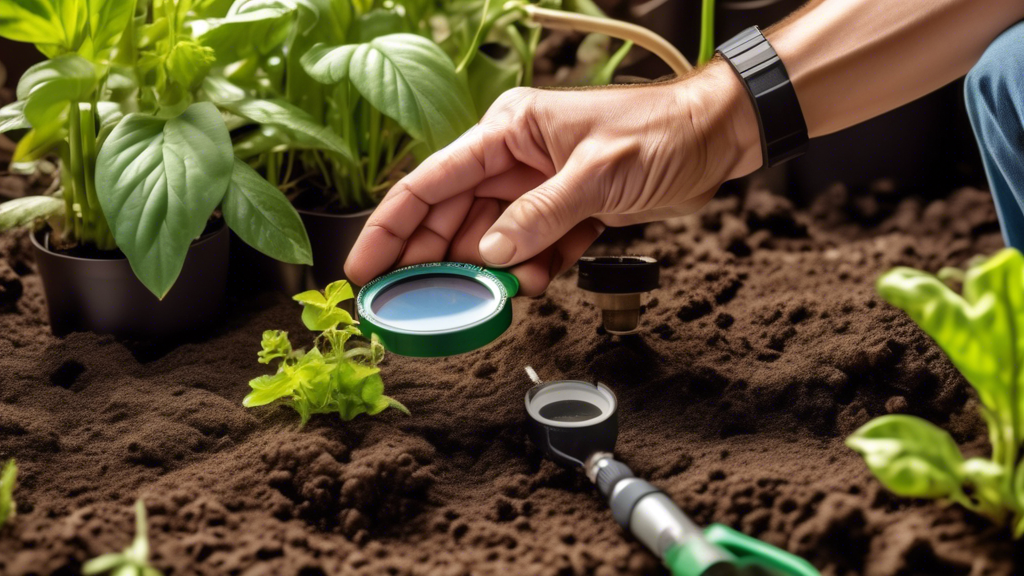
Healthy soil is the non-negotiable foundation of organic gardening. Start by conducting a simple soil test (available at garden centers or through local extension offices) to understand your soil’s pH and nutrient levels. This tells you what you’re working with before you even buy a seed.
Choosing the Right Plants: Start with These Easy Wins
Begin with plants that are naturally resilient and less prone to pests. This builds confidence and ensures early success.
- For Seeds: Radishes, lettuce, beans, and sunflowers.
- For Transplants: Tomatoes, basil, zucchini, and kale.
The Core Practices of Organic Gardening
Feeding Your Soil, Not Your Plants: The Power of Compost
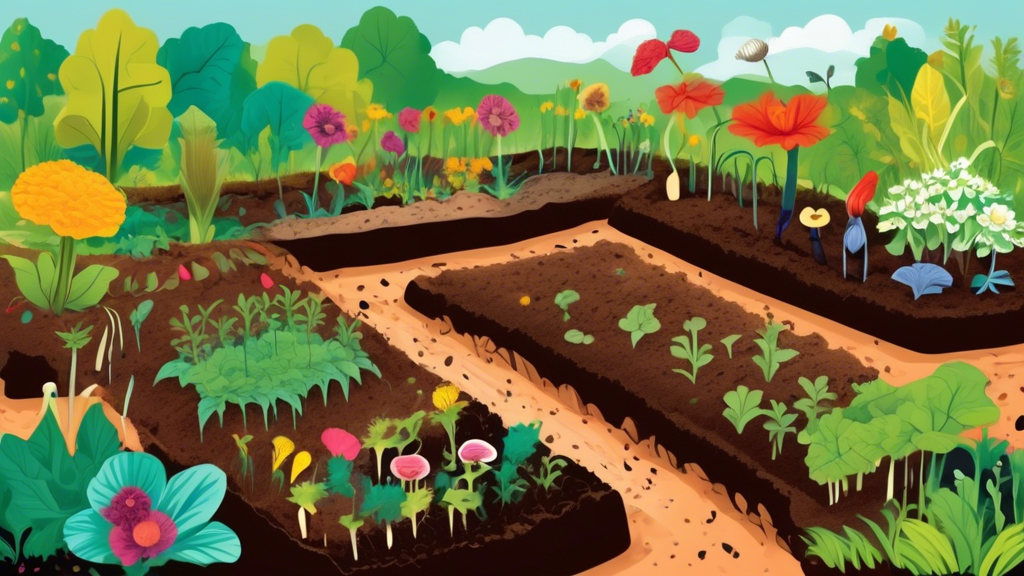
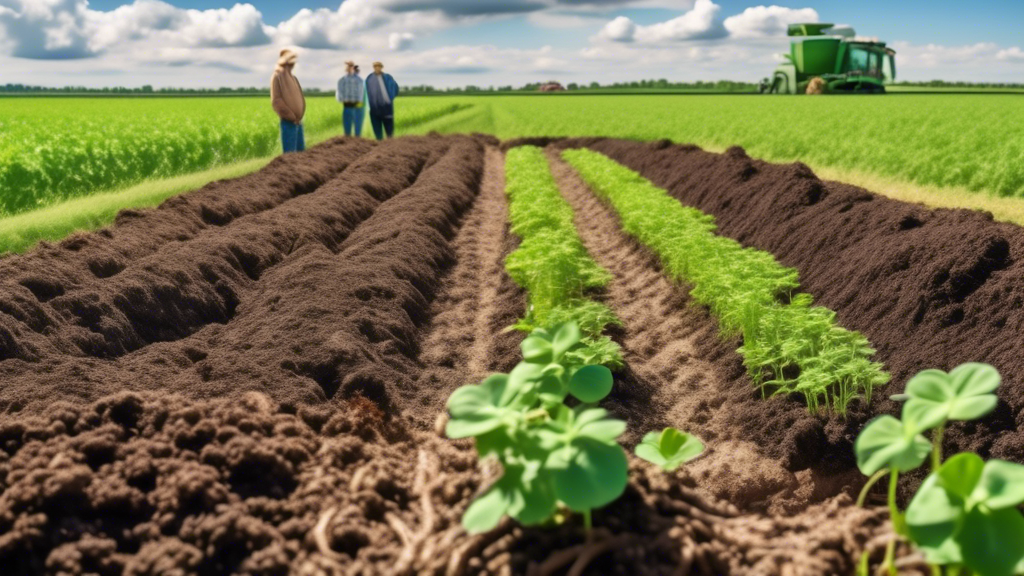
In organic gardening, you don’t feed the plants directly; you feed the soil ecosystem, which in turn feeds the plants. Compost is decomposed organic matter (kitchen scraps, yard waste) that is black gold for your garden. It improves soil structure, provides a slow-release of nutrients, and helps retain moisture.
Natural Pest and Weed Control (Without Harsh Chemicals)
Prevention is your first line of defense. Healthy plants are more resistant to pests and diseases. When issues arise, use targeted solutions:
- Hand-picking: Remove larger pests like caterpillars by hand.
- Sprays: Use insecticidal soaps or neem oil for soft-bodied insects.
- Barriers: Use floating row covers to protect plants from insects.
- Weeds: A thick layer of mulch smothers weed seeds, and shallow hoeing disrupts young weeds.
Companion Planting: Nature’s Pest Control and Growth Booster
This is the practice of planting certain crops together for mutual benefit. Some plants can repel pests from their neighbors, while others can enhance growth or improve flavor.
| Plant | Good Companion | Benefit |
|---|---|---|
| Tomatoes | Basil | Repels tomato hornworms and may improve flavor. |
| Carrots | Onions | Onions repel carrot flies. |
| Corn | Beans | Beans fix nitrogen in the soil, benefiting the corn. |
Common Organic Gardening Challenges and Solutions
Dealing with Pests Naturally
The Challenge: Aphids, cabbage worms, and slugs are decimating your plants.
Solution: Encourage a balanced ecosystem. Introduce or attract beneficial insects like ladybugs and lacewings that eat aphids. Use physical barriers like copper tape for slugs. As a treatment, spray affected plants with a diluted neem oil solution, which disrupts pests’ feeding and life cycles without harming beneficials.
Poor Soil Quality
The Challenge: Your soil is hard clay or sandy and nutrient-poor.
Solution: Amending soil is a process, not an event. Start a compost bin to create your own soil amendment. Additionally, plant “green manure” or cover crops like clover or winter rye in the off-season. These crops are tilled back into the soil, adding organic matter and nutrients.
Controlling Weeds Without Chemicals
The Challenge: Weeds are competing with your plants for water and nutrients.
Solution: Mulch is your best friend. Apply a 2-4 inch layer of straw, wood chips, or shredded leaves around your plants. This blocks sunlight, preventing weed seeds from germinating. For existing weeds, use a sharp hoe to slice them off at the surface before they set seed.
Organic vs. Conventional Gardening: A Quick Comparison
Chemical Inputs: Synthetic vs. Natural
Conventional: Relies on synthetic, quick-release fertilizers and chemical pesticides.
Organic: Uses natural amendments like compost and manure, and biological pest controls. It focuses on long-term soil health over quick fixes.
Soil Health: Depleting vs. Building
Conventional: Can degrade soil structure and microbial life over time, leading to dependency on inputs.
Organic: Actively builds soil organic matter, creating a resilient, living soil that becomes more fertile each year.
Long-Term Impact on the Local Environment
Conventional: Pesticides and fertilizers can runoff, harming aquatic life and polluting water sources.
Organic: Promotes biodiversity and creates a closed-loop system that protects and enhances the local environment.
A Unique Organic Secret: The Soil Food Web
This complex, symbiotic relationship between soil organisms is the true engine of an organic garden, and something many beginners don’t know about.
It’s Not Just Dirt—It’s a Living City
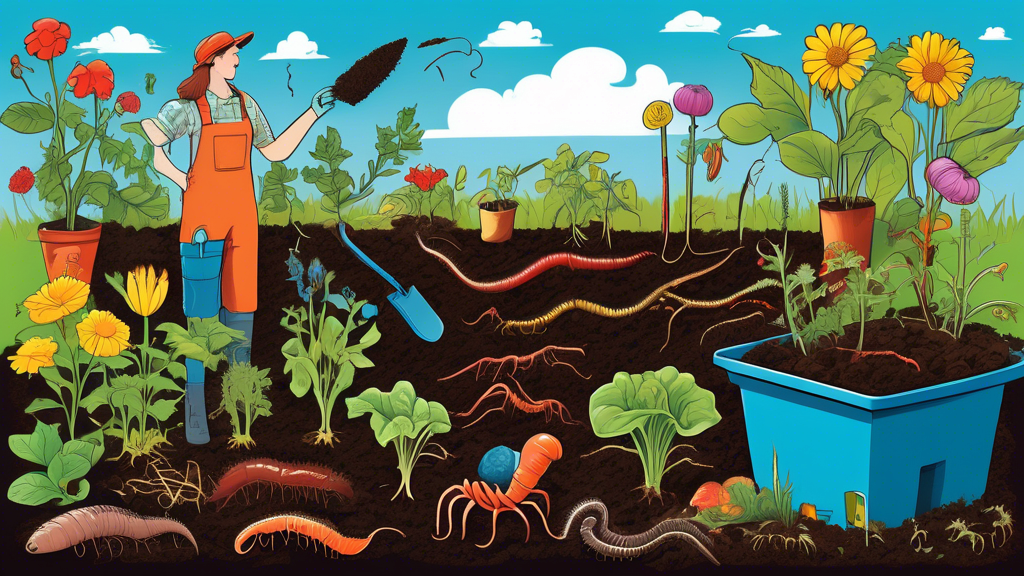
Healthy soil is a bustling metropolis teeming with life, from bacteria and fungi to protozoa and earthworms. This “Soil Food Web” is responsible for breaking down organic matter into nutrients plants can absorb.
How Bacteria, Fungi, and Worms Work Together to Feed Your Plants
It’s a sophisticated partnership. Bacteria and fungi decompose compost and other organic matter. Then, larger organisms like protozoa and nematodes eat the bacteria and fungi. As they digest them, they release nutrients in a form that plant roots can easily uptake. Earthworms are the great tillers, aerating the soil and spreading microbes as they move. By adding compost, you are recruiting this entire workforce to feed your garden for free.
Frequently Asked Questions (FAQs) About Organic Gardening Basics
Is organic gardening more expensive to start?
There can be initial costs for things like soil amendments and compost bins, but it saves money in the long run. You eliminate the cost of synthetic fertilizers and pesticides, and you can produce a significant amount of your own food from a single packet of seeds.
How long does it take to see results from improving my soil?
You will notice improvements in plant health and yield within the first season after adding compost. However, building truly rich, loamy soil is a multi-year process. The key is consistency—adding organic matter every season.
Can I practice organic gardening in containers or small spaces?
Absolutely! Container gardening is a fantastic way to grow organically on a patio or balcony. Use large pots with adequate drainage and fill them with a high-quality organic potting mix. You can grow herbs, salads, tomatoes, peppers, and more.
What is the single most important thing for a beginner to focus on?
Focus on your soil. If you do nothing else but consistently add compost to your garden, you will be 90% of the way to success. Healthy soil grows healthy plants that can naturally resist pests and diseases.
Your Action Plan: Getting Started This Season
A Simple 5-Step Checklist
- Choose Your Spot: Find a sunny, well-drained location.
- Test & Amend Your Soil: Get a soil test and mix in 2-3 inches of compost.
- Select Your Plants: Start with easy, recommended varieties.
- Plant with Care: Follow spacing and depth instructions on seed packets or plant tags.
- Mulch and Water: Apply mulch around plants and water deeply at the base.
Essential Tools for the Organic Beginner
- A good digging spade or garden fork
- A hand trowel
- A hoe for weeding
- A watering can or hose with a gentle spray nozzle
- A wheelbarrow or buckets for moving compost and mulch
- Gardening gloves
Further Resources and Reading
To deepen your knowledge, explore resources from your local university’s cooperative extension service, which offers region-specific advice. Books like “The Vegetable Gardener’s Bible” by Edward C. Smith and “Teaming with Microbes” by Jeff Lowenfels and Wayne Lewis provide excellent in-depth information on organic methods and soil science.