What is the ‘Rooted in Resilience’ Garden Renovation Project?
The Vision: More Than Just a Pretty Garden
The ‘Rooted in Resilience’ project is a transformative initiative by the Delaware Center for Horticulture (DCH) aimed at creating a public space that is not only beautiful but also educational and ecologically robust. The core mission is to demonstrate sustainable landscaping practices to the community, serving as a living laboratory for urban environmental solutions.
Breaking Down the First Phase: What’s New?
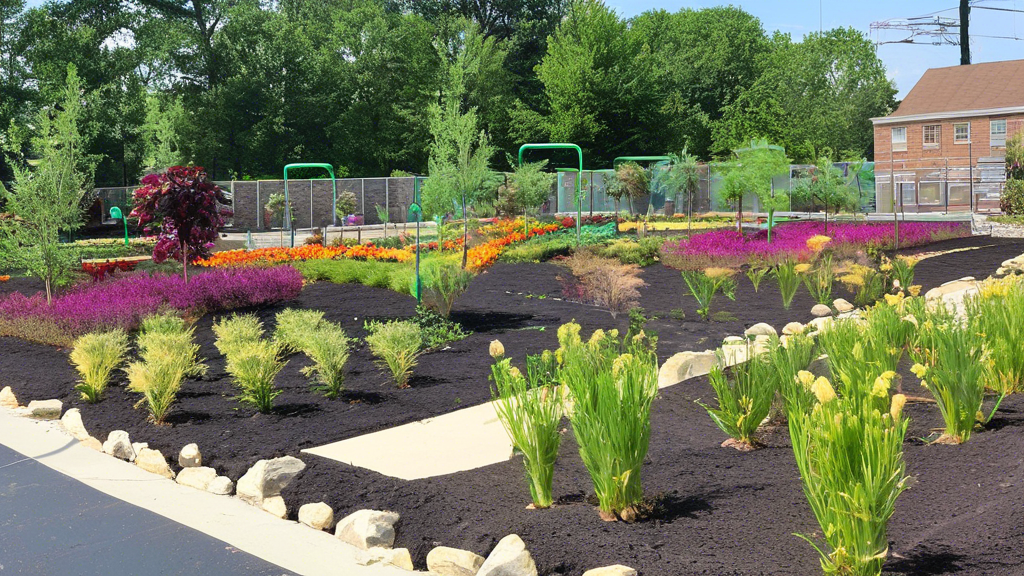
The inaugural phase establishes the foundational ecological elements of the garden. Key installations include:
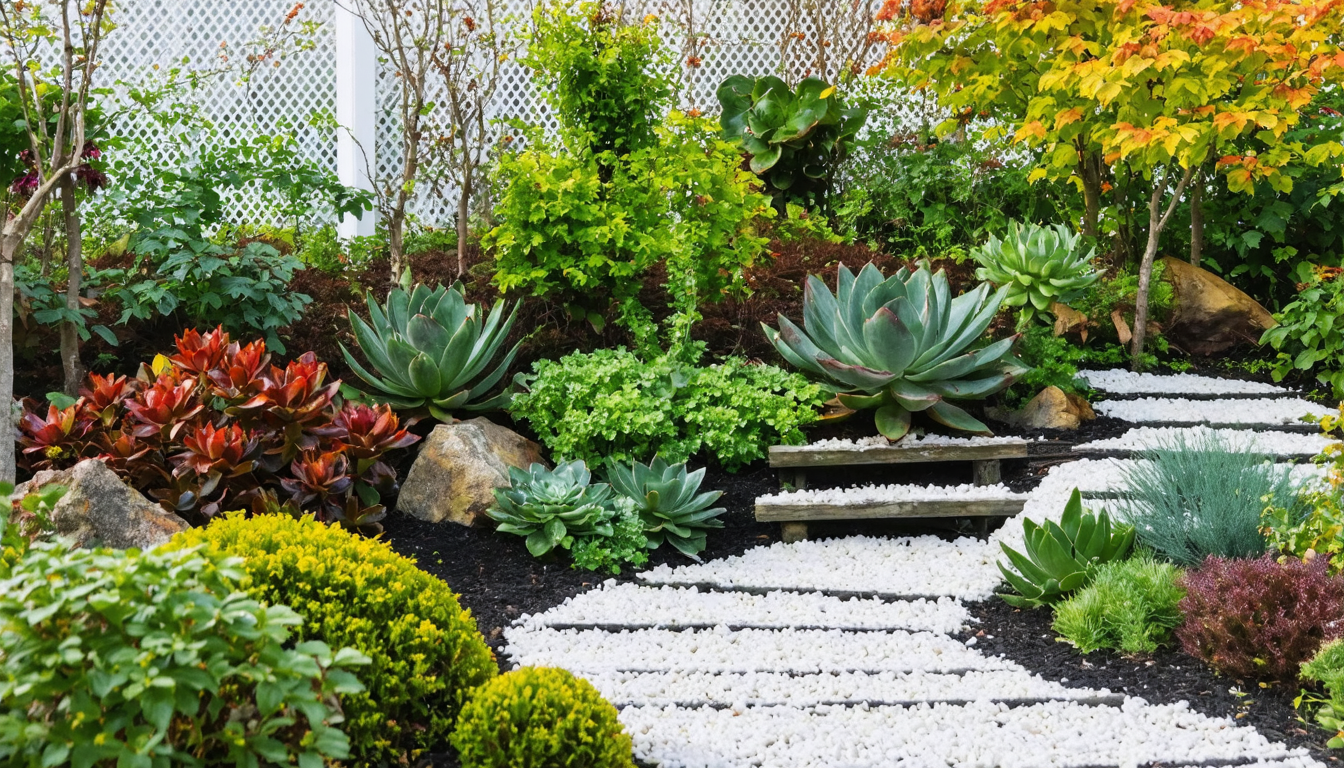
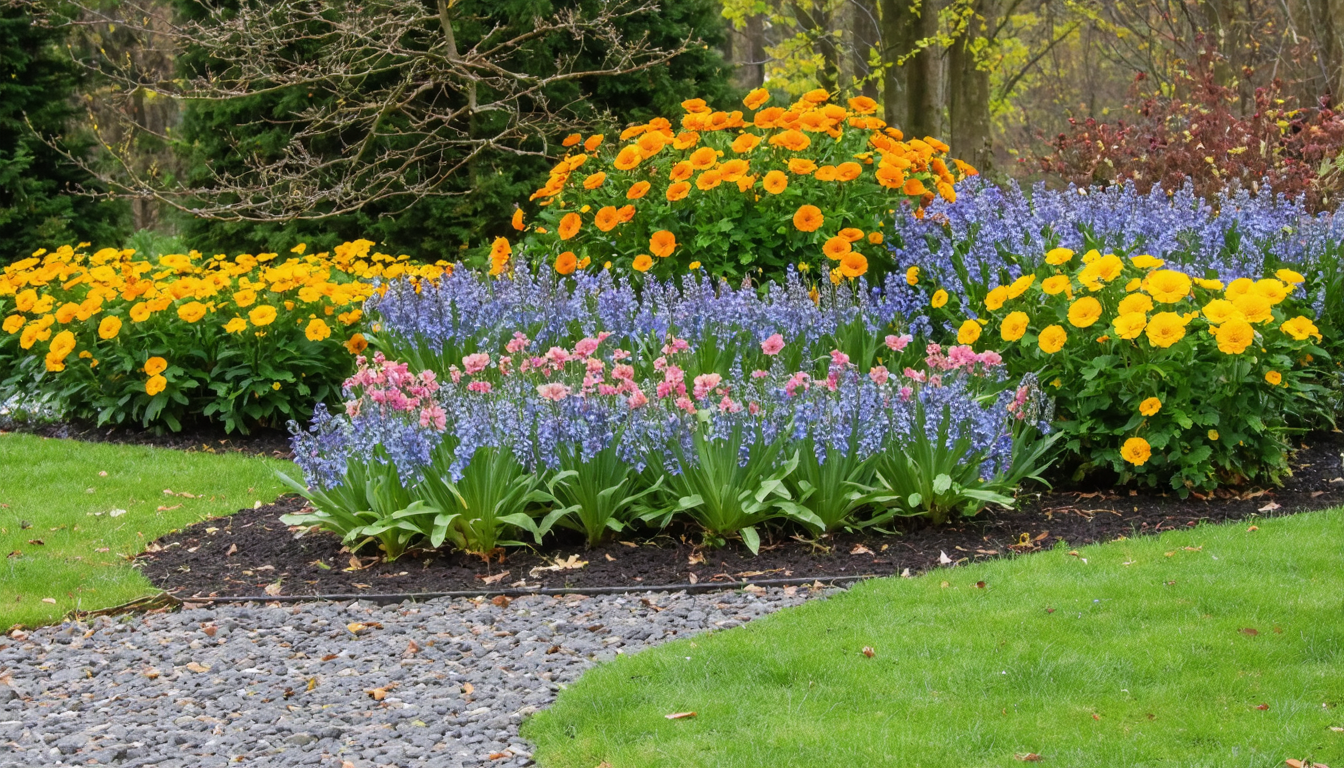
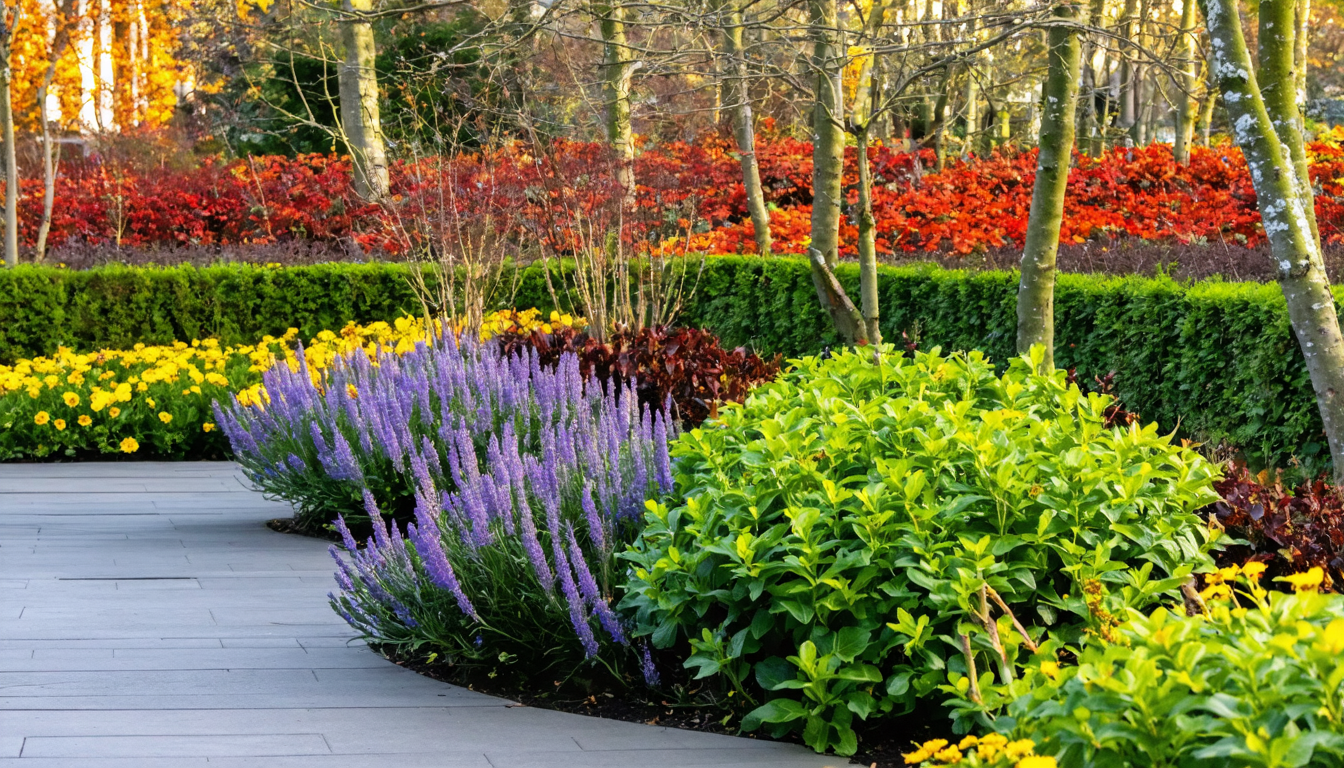
- Extensive new native plant beds designed to thrive in local conditions.
- Permeable paving systems to reduce stormwater runoff.
- Functional rain gardens that capture and filter rainwater.
- Comprehensive educational signage explaining the principles of resilient landscaping.
Addressing Community and Environmental Challenges
Combatting Urban Challenges: Flooding, Heat, and Habitat Loss
This garden is engineered to tackle pressing urban issues head-on. The design specifically manages stormwater runoff through features like rain gardens and permeable surfaces, directly reducing neighborhood flooding risks. Strategically selected trees and plants work to cool the air, mitigating the urban heat island effect. Furthermore, the focus on native species creates vital habitats for local pollinators, countering the trend of urban habitat loss.
The Community Challenge: Lack of Accessible, Educational Green Spaces
The project directly addresses the need for free, central locations where residents can connect with nature. It functions as a living classroom, providing tangible examples and resources for homeowners and aspiring gardeners to learn how to implement sustainable practices in their own spaces.
‘Rooted in Resilience’ vs. Traditional Landscaping: A Clear Comparison
Aesthetic vs. Functional Beauty
Traditional landscaping often prioritizes ornamental, non-native plants that require high water and chemical inputs. In contrast, the ‘Rooted in Resilience’ garden prioritizes native, drought-resistant plants that actively support local ecosystems and require significantly less long-term maintenance.
Resource Consumption: Water and Maintenance
| Factor | Traditional Landscaping | ‘Rooted in Resilience’ |
|---|---|---|
| Water Usage | Often water-intensive, relying on irrigation. | Water-wise, designed to thrive on natural rainfall. |
| Chemical Inputs | Frequently reliant on synthetic fertilizers and pesticides. | Improves soil health naturally, creating a self-sustaining system. |
| Long-Term Maintenance | Can be high due to mowing, weeding, and plant replacement. | Lower, as native plants are adapted to the local environment. |
Something You Might Not Know: The “Soil Sponge” Effect
The Secret is in the Soil
A key, often unseen innovation of this renovation is the intense focus on rebuilding healthy soil microbiology. By incorporating compost and specific planting techniques, the project is actively creating a “soil sponge.” This living soil ecosystem has a remarkable capacity to absorb vast quantities of rainwater, which helps prevent runoff and flooding. Simultaneously, it filters out pollutants and sequesters atmospheric carbon, transforming the garden from a passive space into an active, functional component of the city’s green infrastructure.
Frequently Asked Questions (FAQs) About the Garden Renovation
When will the entire project be complete?
The ‘Rooted in Resilience’ project is a multi-phase endeavor. The first phase is now open to the public, with subsequent phases rolling out based on future funding and ongoing community support.
Can the public visit, and is there a cost?
Yes, the renovated garden is a free public space and is open during the Delaware Center for Horticulture’s regular operating hours.
How can I use these ideas in my own backyard?
The garden is explicitly designed as a model for homeowners. The DCH offers workshops, tours, and resources to help you implement similar resilient practices, such as planting native species and constructing your own rain garden.
How is this project funded?
This project is made possible through a combination of grants from environmental foundations, generous private donations, and partnerships with forward-thinking corporate sponsors.
The Future is Growing: What’s Next for the Project?
Future phases of the ‘Rooted in Resilience’ project aim to expand its impact with plans for larger community gathering spaces, more interactive educational exhibits, and potentially even community food gardens. The DCH invites the community to visit, participate in volunteer opportunities, and contribute to supporting the growth of this vital urban oasis.