The “Why”: What Pushed Us to Start a Family Garden
The Challenges We Wanted to Escape
Like many families, we felt the constant pressure of a shrinking grocery budget as food prices seemed to climb every week. Mealtimes were often a battle, with “picky eaters” turning their noses up at the very vegetables we knew were good for them. We also grew increasingly concerned about food quality, worrying about pesticides and the mysterious origins of our produce. Finally, we were desperate for a unifying, offline family activity to counter the ever-present screen time overload.
Our First Steps: From Lawn to Lunch Source
Keeping It Simple (And Cheap!)
We decided to start small to avoid being overwhelmed. Our initial setup was a single 4×8 foot raised bed and a handful of containers. For our “Can’t-Kill-It” starter plants, we chose reliable performers: cherry tomatoes, zucchini, lettuce, and strawberries. The key was involving the kids from the very beginning, letting them choose their own seed packets and giving them a small, dedicated plot to be responsible for.
The Season of Learning: Our Biggest Surprises and Setbacks
Mistakes We Made (So You Don’t Have To)
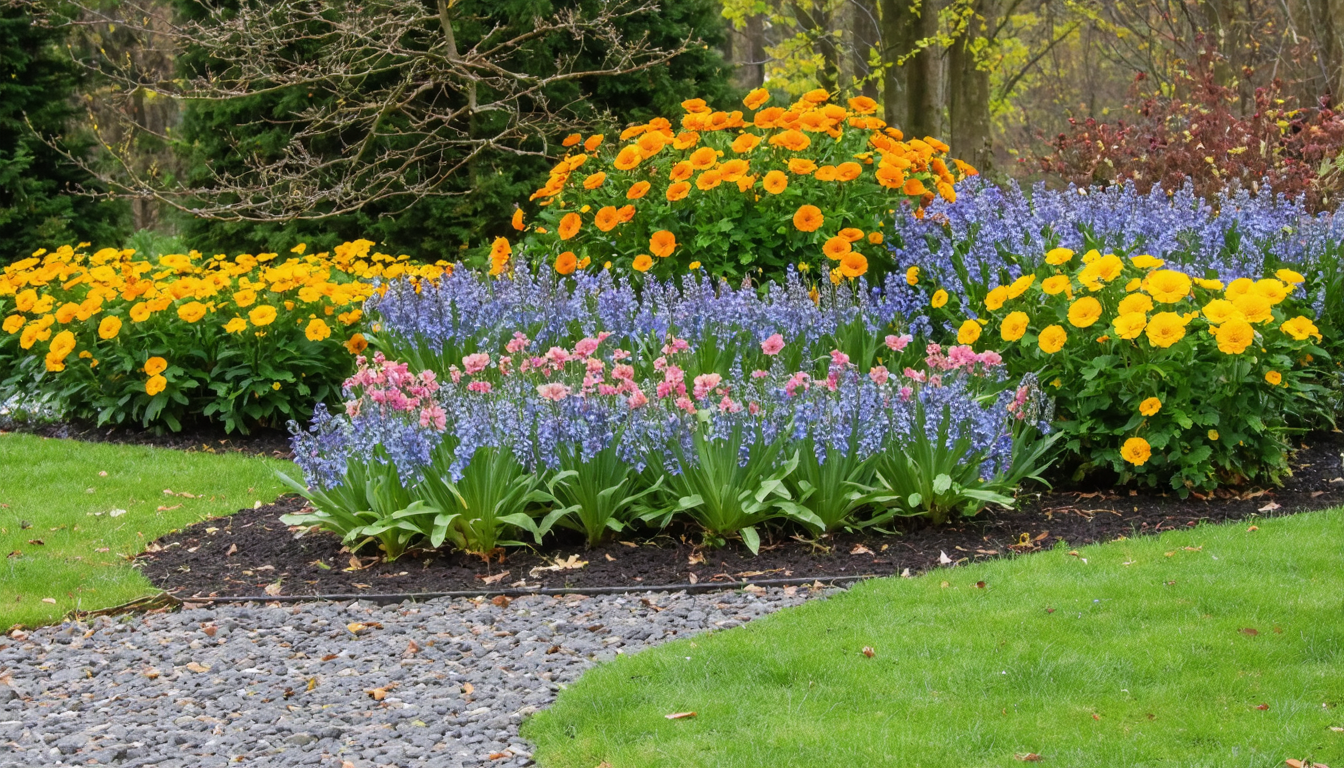
We learned quickly that gardening is a practice in patience and adaptation. We experienced “The Great Zucchini Takeover,” a direct result of not reading the spacing requirements on the seed packet. We also had to negotiate with the local bunny brigade, which led us to discover natural pest control solutions like planting marigolds as a protective border. One of the most delightful surprises was the appearance of “volunteer” plants—tomatoes and pumpkins that sprouted on their own from compost, gifting us with a second, unexpected harvest.
The Harvest That Changed Everything
A Tangible Transformation
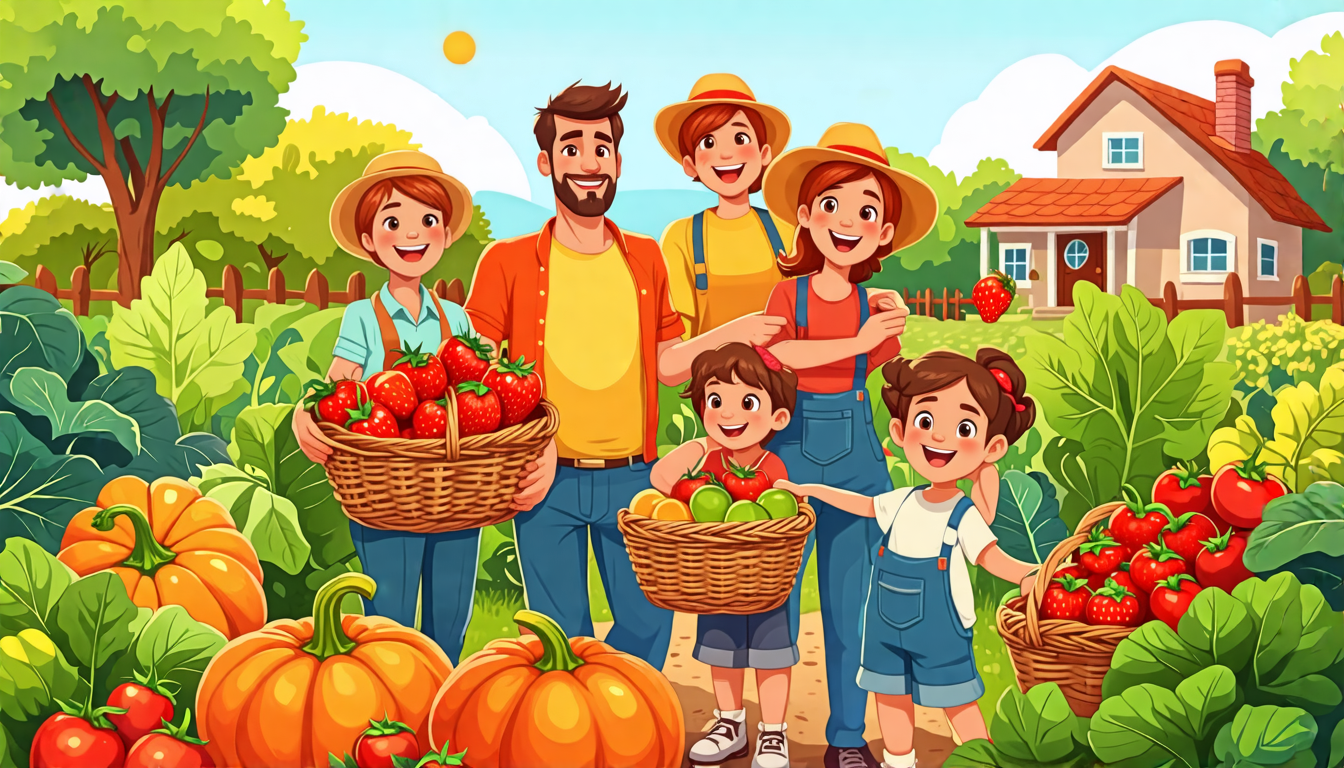
When harvest time arrived, we were truly floored. The sheer volume of food from our small plot was staggering. But the real revelation was the taste. We conducted a simple taste test between a homegrown tomato and a store-bought one. The difference was night and day; the flavor of the sun-ripened, homegrown fruit was incomparably richer and sweeter. When we finally calculated the financial payoff, we were astonished by how much we had saved on our summer and fall grocery bills.
| Crop | Estimated Yield | Estimated Grocery Store Value |
|---|---|---|
| Cherry Tomatoes | Over 10 lbs | $40+ |
| Zucchini & Summer Squash | 15-20 fruits | $25+ |
| Lettuce & Salad Greens | Continuous cutting | $60+ |
| Strawberries | ~5 lbs | $20+ |
Beyond the Plate: The Unexpected Rewards
What the Garden Grew Besides Vegetables
The most profound changes weren’t measured in pounds or dollars. The garden created a new family ritual of evening watering and weekend weeding together. We witnessed a radical shift in our kids, who went from refusing vegetables to eagerly asking for salads and snacking on raw sugar snap peas straight from the vine. It fostered a deeper connection to the rhythms of nature right in our own backyard. And here’s something unique you might not know: we discovered the “Dirt Effect.” Scientific studies suggest that exposure to soil microbes, like *Mycobacterium vaccae*, can actually boost serotonin levels in the brain, acting as a natural antidepressant. We didn’t just grow food; we cultivated happiness.
Homegrown vs. Store-Bought: A Side-by-Side Look
Flavor & Nutrition
The difference here is fundamental. Homegrown produce is bred and picked for peak flavor, while store-bought is often selected for durability during shipping, sacrificing taste. Nutritionally, vegetables begin to lose vitamins as soon as they are harvested. Eating something hours after it’s picked from your garden means you’re getting maximum nutrient density compared to produce that may have traveled for days or weeks.
Cost & Environmental Impact
While there is an initial setup cost for beds, soil, and tools, this is a one-time investment that pays for itself over time, unlike perpetual weekly grocery costs. Environmentally, the impact is minimal. Homegrown food has zero “food miles” and requires no plastic packaging, drastically reducing your family’s carbon footprint.
| Aspect | Homegrown | Store-Bought |
|---|---|---|
| Taste | Ripe-picked, intense flavor | Often bland, bred for shipping |
| Nutrition | Peak nutrient density | Nutrient loss during transit |
| Cost Over Time | Low recurring cost after setup | Consistently high weekly cost |
| Environmental Impact | Zero food miles, no packaging | High transportation footprint, plastic waste |
Frequently Asked Questions About Starting a Family Garden
We don’t have a big yard. Is it still possible?
Absolutely! You don’t need a sprawling estate. We’ve seen incredible success with container gardening on patios and balconies. Herbs, cherry tomatoes, peppers, and lettuce all thrive in pots. A small, sunny spot is all you really need.
How much time does it really take each week?
It’s less than you think. Once established, a garden of our size required less than an hour of maintenance most days. This includes watering, quick weeding, and checking for pests. Weekends might involve a slightly longer session for bigger tasks, but it easily integrates into a family routine.
What are the best “starter” plants for beginners with kids?
Choose plants that are rewarding and relatively foolproof. Radishes germinate in just a few days, providing quick gratification. Pole beans and cherry tomatoes are fun for kids to harvest, and sunflowers are a dramatic and beautiful addition that grows surprisingly fast.
Was it really worth all the effort?
A resounding yes. While there was effort involved, the benefits—the financial savings, the healthier eating habits, the quality family time, and the simple joy of the process—far outweighed the work. It was a positive, life-enriching experience that our family was truly astonished by the results after a year of growing their own fruits and vegetables in our garden.
Your Turn: How to Start Your Own Astonishing Garden Journey
Ready to begin? It’s easier than you think. Here is a simple, 5-step call to action to get you started:
- Pick Your Spot: Find a location that gets at least 6 hours of sunlight.
- Build or Buy: Start with just one raised bed or a few large containers.
- Choose Your Plants: Select 3 easy plants from our “starter” list above.
- Gear Up the Kids: Get them their own small set of gloves and tools to build excitement.
- Just Start: Don’t aim for perfection. Plant your seeds or seedlings and learn as you go!