Why You Need a Small-Space Herb Garden
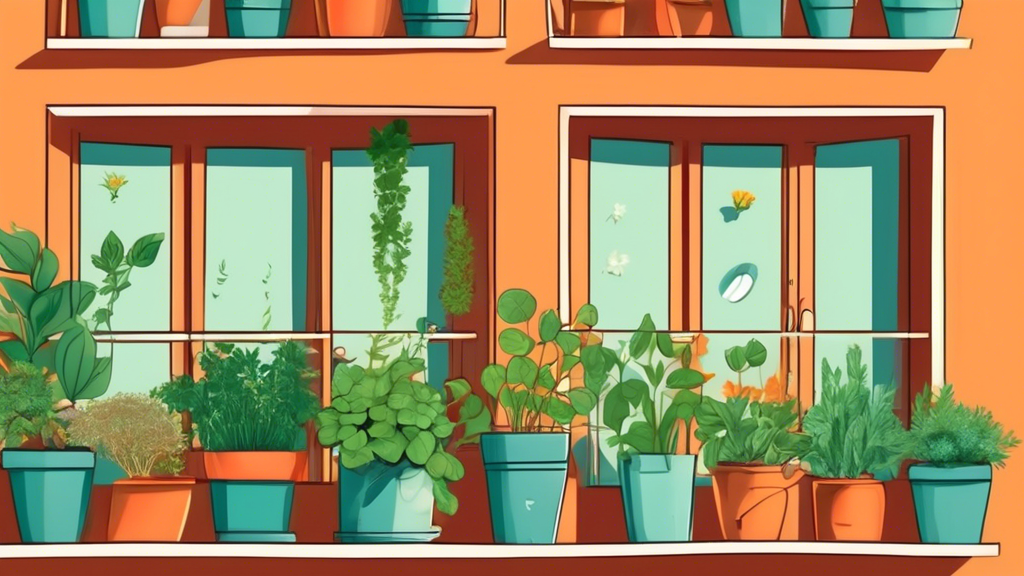
Imagine stepping into your kitchen and snipping fresh basil for your pasta or mint for your tea. A compact herb garden brings gourmet flavors, natural decor, and a rewarding hobby right into your home, no yard required.
Fresh Flavors at Your Fingertips
Skip the expensive, wilted herbs from the store. Homegrown herbs are bursting with flavor and nutrients, ready whenever you need them.
Decorative and Aromatic
Herbs like lavender and rosemary add vibrant greenery and calming scents, turning any corner into a serene, lively space.
A Rewarding & Therapeutic Hobby
Tending to plants reduces stress and offers the deep satisfaction of growing your own food, even in the smallest apartment.
Overcoming Common Small-Space Gardening Challenges
Many aspiring gardeners face hurdles in limited spaces. Here’s how to tackle them head-on and succeed.
“I Don’t Have Enough Sunlight!”
Identify spots with bright, indirect light and opt for shade-tolerant herbs like mint or parsley. Affordable full-spectrum grow lights can also mimic natural sunlight effectively.
“I Have Zero Counter or Floor Space!”
Think vertically! Use walls, windowsills, or even hanging solutions to maximize every inch without cluttering your floor.
“I’m Worried About Mess and Water Damage.”
Choose DIY projects with integrated drainage trays or use protective liners. Self-watering systems can minimize spills and overwatering risks.
“I Have a Black Thumb and Everything Dies.”
Start with resilient herbs like rosemary or thyme. They’re forgiving and perfect for beginners, ensuring your first garden thrives.
5 Creative DIY Herb Garden Projects for Small Spaces and Apartments
Transform your home with these innovative, space-saving ideas that are both functional and stylish.
The Vertical Pallet Garden
Best For: Blank walls or balcony doors.
Materials: Small pallet, landscape fabric, staple gun, soil, herbs.
Pro-Tip: Use heavy-duty picture-hanging hardware for a secure, sleek installation that won’t damage your walls.
The Hanging Gutter Garden
Best For: Railings or under sunny windows.
Materials: Vinyl gutter, end caps, rope/chain, drill.
Unique Insight: Gutters are ideal for shallow-rooted herbs like cilantro and basil, preventing them from becoming root-bound too quickly—a common issue in deep pots.
The Magnetic Spice Jar Window Garden
Best For: Sunny windowsills with zero footprint.
Materials: Empty metal spice tins, strong neodymium magnets, herbs.
Why It Works: This project recycles common household items and turns your window into a vibrant, functional display.
The Upcycled Tiered Stand Garden
Best For: Adding height and interest to corners.
Materials: Old tiered stands, crates, or small pots.
Eco-Friendly Bonus: Repurposing items reduces waste and gives your garden a unique, personalized touch.
The Self-Watering Wine Bottle Planter
Best For: Low-maintenance, consistent hydration.
Materials: Empty wine bottle, watering spike or wool yarn, soil, herb.
Unique Insight: This method delivers water directly to the roots, preventing overwatering—the top cause of plant death in containers—and promotes healthier growth.
Choosing the Right Herbs for Your DIY Project
Pairing herbs with the right light conditions and project type ensures a thriving garden. Here’s a quick guide:
| Light Requirement | Herb Examples | Ideal DIY Project |
|---|---|---|
| Sun Lovers (6+ hours direct light) | Rosemary, Thyme, Basil, Oregano | Windowsill gardens, south-facing vertical pallets |
| Moderate/Shade Tolerant (2-4 hours light) | Mint, Parsley, Chives, Cilantro | Gutter gardens, tiered stands in indirect light |
A Word on Mint
Crucial Tip: Always plant mint in its own container. It’s highly invasive and can overwhelm other herbs if shared a pot.
Essential Care Tips for Your Compact Herb Garden
Keep your herbs healthy and productive with these simple maintenance practices.
The Golden Rule of Watering
Use the “Finger Test”—insert your finger into the soil up to the first knuckle. Water only if it feels dry. This prevents overwatering, a common mistake.
Harvesting for Growth
Regularly pinch off the top leaves of herbs like basil to encourage bushier growth. Avoid removing more than one-third of the plant at a time.
A Little Food Goes a Long Way
Feed your herbs with a diluted, organic liquid fertilizer every 4-6 weeks during the growing season to support robust growth without over-fertilizing.
Frequently Asked Questions
Get answers to common queries to boost your confidence and success in small-space herb gardening.
What is the easiest herb to grow indoors for beginners?
Answer: Mint is incredibly resilient and forgiving, making it perfect for novices. Just be sure to keep it in a separate pot to control its spread.
Can I grow herbs from the cuttings I buy at the grocery store?
Answer: Absolutely! Place basil or mint stems in water until roots develop, then transplant to soil. It’s an economical way to expand your garden.
How much sunlight do my indoor herbs really need?
Answer: Most culinary herbs require 4-6 hours of direct sunlight daily. A south-facing window is ideal; otherwise, consider using a grow light to supplement.
Why are my herbs getting tall and “leggy”?
Answer: This condition, called etiolation, means your herbs aren’t getting enough light. They stretch toward any available source. Move them to a brighter spot or add a grow light to correct this.