Your Essential September Gardening Guide for a Lush Fall
September is a pivotal transition month. The intense heat of summer wanes, giving way to cooler nights, making it the perfect time for crucial garden tasks. This guide provides the actionable steps you need to take now to protect your garden and set the stage for a beautiful autumn and a thriving spring.
The September Shift: Why This Month is a Gardening Powerhouse
The Core Mission: Transition from Summer Growth to Fall Hardiness
Our goal shifts from sustaining summer annuals to strengthening perennials, trees, and shrubs for winter. This is the time to build resilience.
“My garden looks tired and I don’t know where to start.”
It’s common to feel overwhelmed after a long summer. The solution is to break the work down into manageable, prioritized zones, which we’ve done for you below.
Zone 1: Lawn Rehabilitation and Care
Seed Now for a Lush Spring Lawn
Cool-season grasses like fescue and Kentucky bluegrass thrive with fall seeding. The warm soil and cool air create the ideal germination environment.
Fertilize for Strong Roots, Not Just Top Growth
Choosing the right fertilizer is critical. Here’s a comparison:
| Factor | Spring Fertilization | Fall Fertilization |
|---|---|---|
| Primary Goal | Quick green-up and leaf growth | Strong root development and winter hardiness |
| Nutrient Focus | High in Nitrogen (N) | Higher in Potassium (K) |
| Long-term Benefit | Lower; can lead to weak growth vulnerable to summer heat. | Higher; promotes resilience for the following year. |
Aerate to Relieve Soil Compaction
If you notice water pooling on your lawn instead of soaking in, core aeration is your answer. This process allows water, oxygen, and nutrients to reach the grass roots effectively.
Zone 2: Planting and Propagating for Future Blooms
Plant Spring-Blooming Bulbs Now
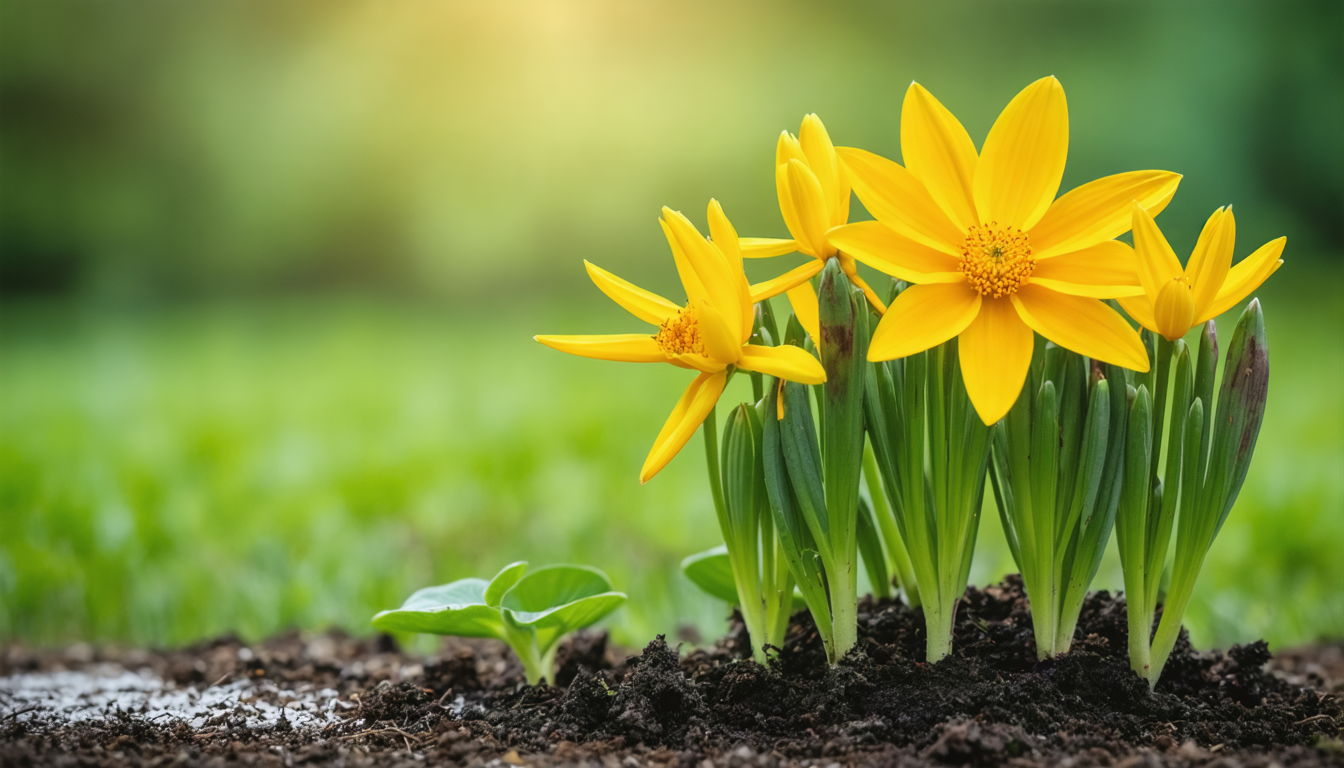
It’s the classic September task: planting tulips, daffodils, and crocuses. For a unique tip: to deter squirrels from digging up your bulbs, lay a flat sheet of chicken wire over the soil after planting before you add mulch. The bulbs will grow through the gaps, but squirrels won’t be able to dig down to them.
Add Cool-Weather Annuals for Instant Fall Color
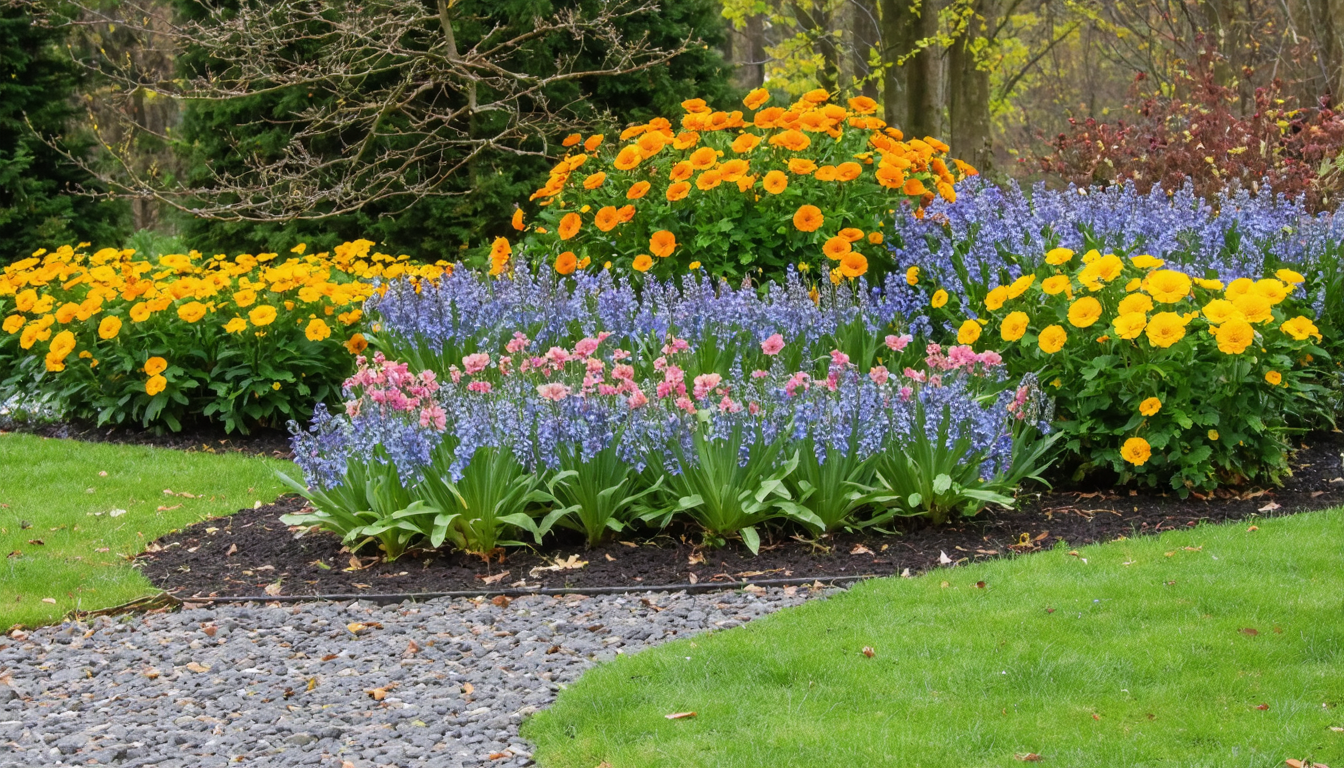
Refresh your garden’s look with instant color from pansies, ornamental kale, and chrysanthemums.
Divide and Conquer Overgrown Perennials
If your daylilies and hostas have become too large and their flowering has diminished, September is the time to divide them. This gives the new divisions ample time to establish strong roots before the ground freezes, resulting in more vigorous and floriferous plants next year.
Zone 3: The Vegetable Garden’s Second Wind
Harvest Summer Crops and Prepare for Cool-Season Varieties
Stay on top of harvesting tomatoes, peppers, and squash. Simultaneously, you can plant quick-growing cool-weather crops like lettuce, spinach, radishes, and carrots for a late-season harvest.
“I have empty garden beds. What should I do with them?”
Instead of leaving soil bare and vulnerable, plant a cover crop, also known as “green manure.” Sow winter rye or clover. This often-overlooked practice prevents soil erosion, suppresses weeds, and when tilled under in spring, adds valuable organic matter and nitrogen back into the soil.
Zone 4: Pruning, Cleanup, and Pest Control
The Pruning Rule: What to Cut and What to Leave
Do Prune: Dead, damaged, or diseased branches from trees and shrubs to prevent further decay and pest infestation.
Don’t Prune: Spring-blooming shrubs like lilacs and azaleas, as they have already set their flower buds for next year. Pruning now would mean sacrificing next spring’s display.
A Strategic Approach to Garden Cleanup
When wondering if you should cut everything down, adopt a “clean but not sterile” approach. Remove diseased foliage to prevent overwintering pathogens, but consider leaving healthy seed heads (like coneflowers and sunflowers) and ornamental grasses standing. They provide crucial food and habitat for birds and beneficial insects throughout the winter.
Frequently Asked Questions (FAQs)
When is the absolute last day I can plant in September?
It’s less about a specific date and more about soil temperature. A good rule is to get new plants in the ground at least 6 weeks before your area’s first expected hard frost. This gives the root systems enough time to establish themselves.
Should I stop watering my garden in the fall?
No! This is a critical mistake. Continue to water trees, shrubs, and perennials deeply until the ground freezes. Plants need to enter winter well-hydrated to prevent desiccation, often seen as “winter burn.”
Is it better to rake leaves or mulch them into the lawn?
A light layer of leaves can be run over with a mulching mower, which chops them into a fine, nutrient-rich mulch for your lawn. However, a thick, matted layer will smother the grass and should be raked and added to your compost pile.
Your September Gardening Checklist
- Test soil and amend if needed.
- Overseed and fertilize the lawn.
- Plant spring-flowering bulbs.
- Divide overgrown perennials.
- Plant fall vegetables and/or cover crops.
- Harvest remaining summer crops.
- Prune dead/diseased wood.
- Water deeply until the ground freezes.
- Clean and store garden tools.
By following these essential September gardening tips, you’re not just tidying up; you’re making a strategic investment in your garden’s future. The effort you put in now will ensure its resilience through the winter and set the stage for a spectacular return in the spring.