The Ultimate Guide to Home Vertical Gardening with Garden Stack
Transform your small balcony, patio, or wall into a lush, productive oasis. This guide will walk you through everything you need to know about successful Home Vertical Gardening with Garden Stack, a modern, stackable system that makes maximizing your space simple and beautiful.
Why Choose Home Vertical Gardening? Solving Your Biggest Challenges
The Urban Gardener’s Dilemma: Limited Space
Do you feel like you don’t have enough room for a garden? Vertical gardening turns unused vertical real estate—like blank walls and balcony railings—into a thriving, productive garden, solving the space issue for city dwellers.
Beyond the Bending and Kneeling: Ergonomics for All
If traditional gardening hurts your back and knees, the tiered, waist-high design of a system like Garden Stack makes planting, watering, and harvesting comfortable and accessible for gardeners of all ages and abilities.
Outsmarting Pests and Weeds
Tired of slugs, rabbits, and weeds ruining your plants? Elevated planters are naturally more resistant to ground-dwelling pests and make spotting and removing weeds a much simpler task.
From Drab to Fab: The Aesthetic Upgrade
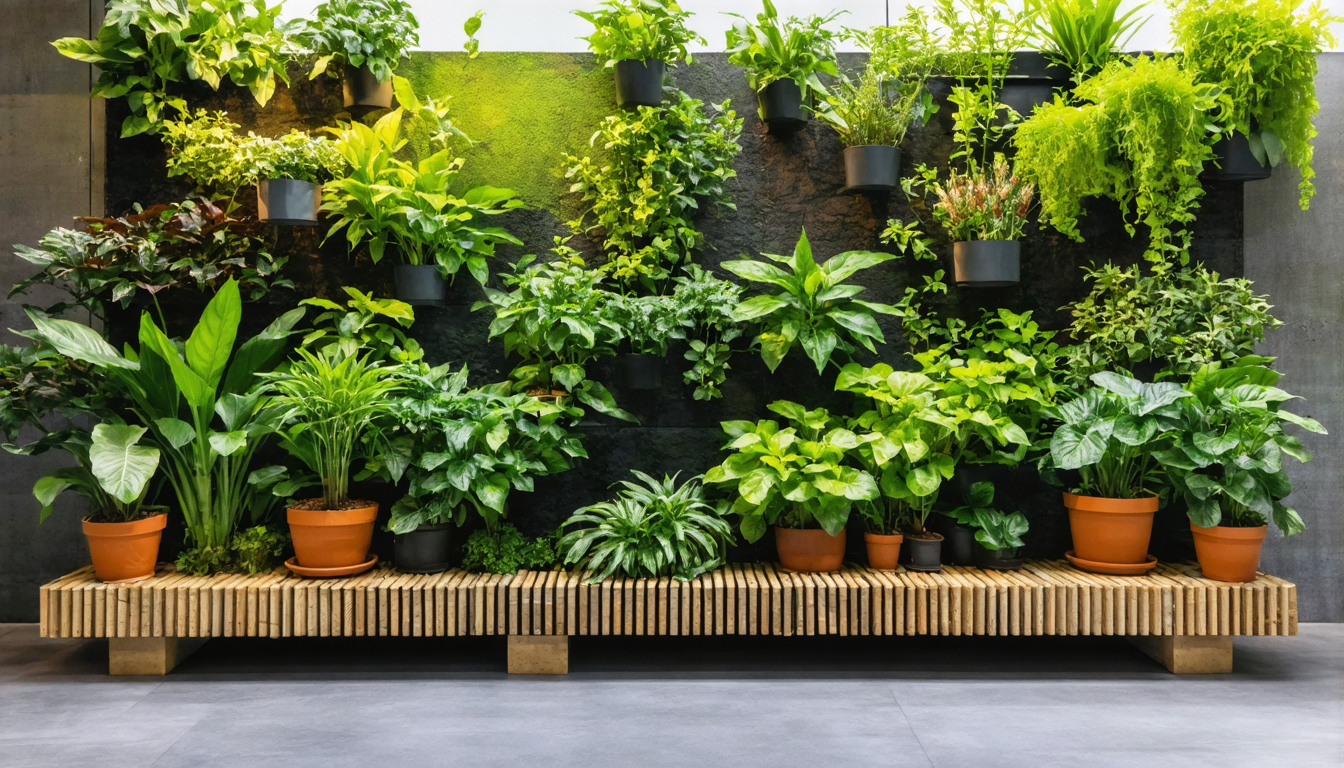
If your outdoor space feels boring, a vertical garden acts as a stunning living wall, adding texture, color, and a dynamic visual centerpiece that transforms any area from ordinary to extraordinary.
Garden Stack vs. Other Vertical Gardening Methods
| Method | Pros | Cons |
|---|---|---|
| Garden Stack | Modular & portable, excellent drainage, stable for larger plants | Initial cost higher than some DIY options |
| Traditional Wall Planters | Permanent, space-saving on the ground | Can damage walls, difficult to water evenly, limited soil |
| DIY Pallet Gardens | Very low cost, rustic aesthetic | Risk of toxic chemicals, rots quickly, requires DIY skill |
| Hanging Pocket Planters | Inexpensive, great for very small spaces | Unstable in wind, dries out rapidly, limited to small plants |
Getting Started: Your First Home Vertical Gardening with Garden Stack Setup
Choosing the Perfect Location (Sunlight is Key!)
Most edible plants need 6-8 hours of sunlight. Observe your space to find a spot that gets adequate light. A south-facing wall or balcony is often ideal.
The Best Soil Mix for Vertical Success
Use a lightweight, well-draining potting mix. Avoid heavy garden soil, which can compact and hinder root growth and drainage in a vertical setup.
A Curated List of Plants That Thrive in a Garden Stack
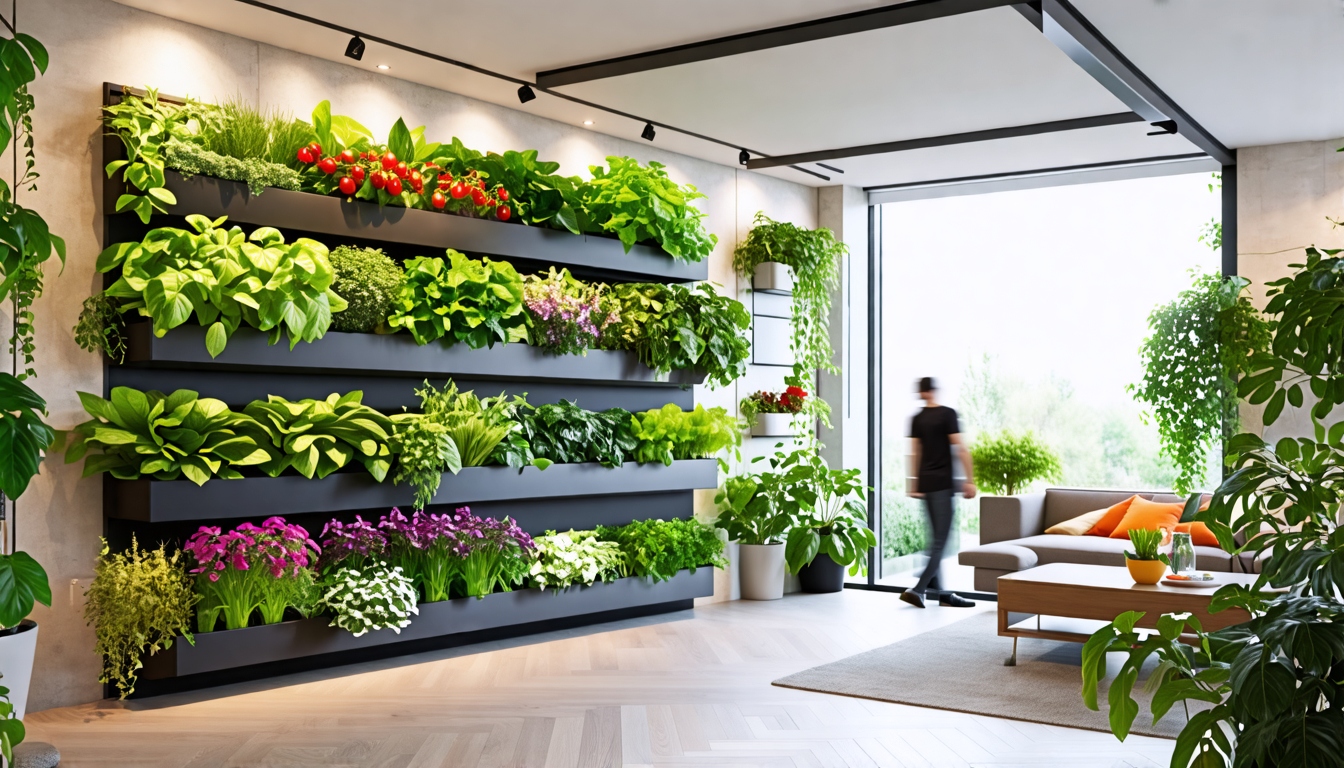
- Top Tier (Most Sun): Cherry Tomatoes, Peppers, Strawberries
- Middle Tiers: Lettuce, Spinach, Herbs (Basil, Cilantro, Mint)
- Bottom/Shady Tiers: Parsley, Chives, Ornamental Ferns
Pro Tips and Unique Insights for Your Vertical Garden
The Secret to Watering a Vertical Tower (Without the Mess)
Unique Insight: Implement a “Top-Down, Check the Bottom” watering rule. Water slowly at the top until you see a slight trickle from the bottom tier. This ensures water has permeated the entire column. A common mistake is shallow watering that only wets the top pots, leaving the roots below thirsty.
Companion Planting in a Vertical Space
Unique Insight: Use your vertical layout for strategic pest control. Plant basil in the same column as your tomatoes—not just for culinary pairing, but because the strong scent can help deter tomato hornworms. Marigolds on a bottom tier can help repel nematodes in the soil below.
Seasonal Rotation and Maximizing Yield
Unique Insight: Think of your Garden Stack as a multi-level, seasonally rotating buffet. In spring, plant cool-weather greens like lettuce and spinach. As summer heats up, replace them with heat-loving herbs and dwarf vegetables like peppers. In fall, you can plant cool-weather crops again, effectively tripling your annual yield from the same small footprint.
Frequently Asked Questions (FAQs) About Home Vertical Gardening with Garden Stack
Is a Garden Stack stable? Will it tip over in the wind?
When properly assembled and filled with soil and plants, the Garden Stack is surprisingly stable due to its low center of gravity. For extremely windy locations, placing it in a corner or against a wall is recommended.
How often do I need to water my vertical garden?
This depends on weather and plant types, but vertical gardens can dry out faster than in-ground beds. A good starting point is to check daily in hot weather. The soil should feel moist but not soggy to the touch.
Can I grow root vegetables like carrots or potatoes in a Garden Stack?
While the Garden Stack has decent depth, it’s not ideal for large root vegetables. However, smaller varieties like ‘Parisian’ carrots or radishes can do very well in the deeper pockets.
Do I need to use special fertilizer?
Because nutrients can wash through the system with watering, a slow-release granular fertilizer mixed into the soil or a regular (bi-weekly) liquid fertilizer is highly recommended for best results and sustained plant health.
Conclusion: Embracing Home Vertical Gardening with Garden Stack is a simple, efficient, and beautiful way to grow your own food and beautify your space, no matter its size. It solves common gardening challenges while offering unique opportunities to maximize your harvest. Start your vertical gardening journey today and unlock the potential of your walls and balconies!