Why a Unified House & Yard Overview is Essential
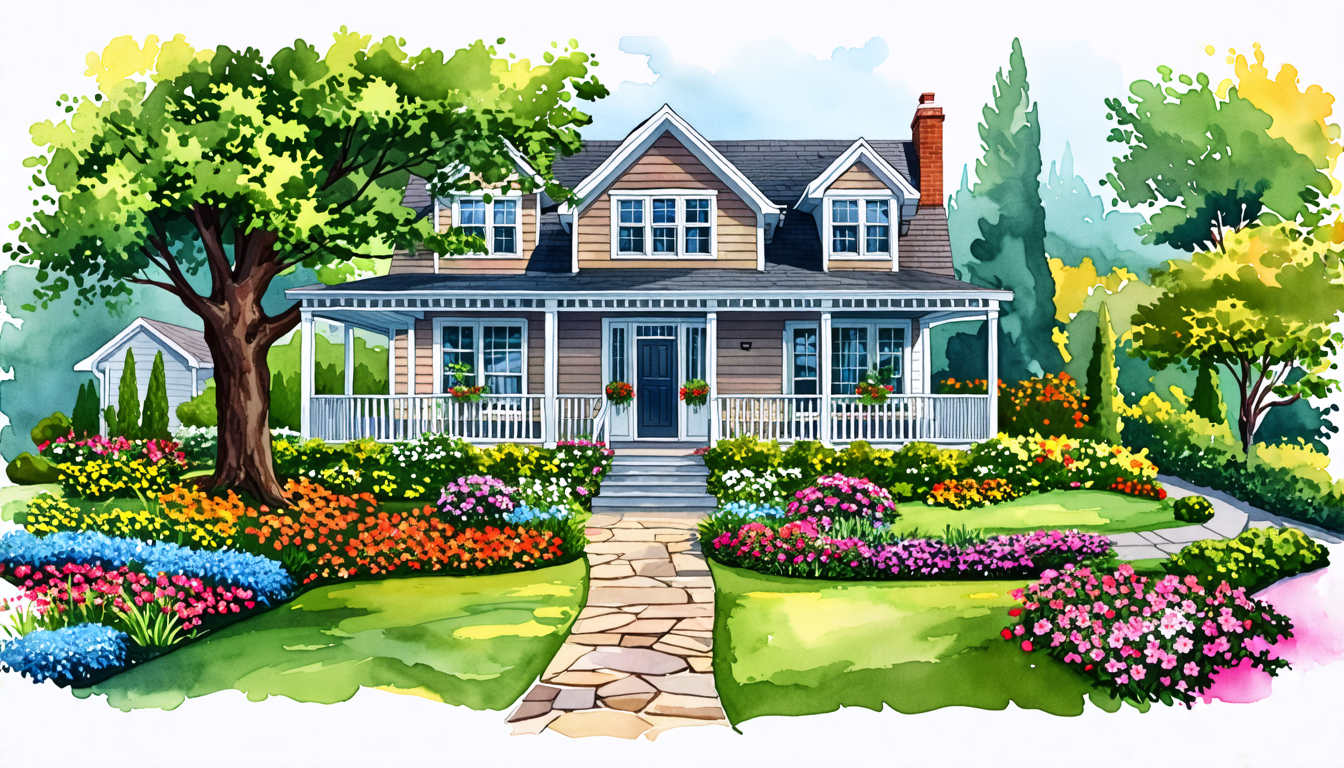
Many homeowners treat their indoor and outdoor spaces as separate entities, leading to a host of issues that affect both enjoyment and property value. A cohesive plan bridges this gap, transforming your entire lot into a harmonious living environment.
The Problem with Disconnected Planning
When the house and yard are planned in isolation, the result is often a jarring disconnect. You might have a beautifully appointed living room that opens onto a barren or chaotically overgrown yard. This not only looks unappealing but also means your outdoor space fails to meet your family’s needs, whether that’s for play, entertaining, or quiet relaxation. Financially, it leads to piecemeal investments that don’t contribute to the overall value or function of your property.
The Benefits of a Holistic Approach
Viewing your property as a single, integrated unit unlocks significant advantages. It creates a natural flow that makes entertaining effortless and daily life more enjoyable. From a financial perspective, a cohesive design is a major driver of curb appeal and can substantially increase your home’s market value. Furthermore, a well-planned property is inherently easier to maintain, as systems and plantings are chosen with the big picture in mind.
Crafting Your Master Plan: A Room-by-Room and Zone-by-Zone Guide
Breaking down your property into defined areas makes the planning process manageable and effective. Think of your yard as an extension of your home’s floor plan.
The House Exterior: The Anchor of Your Property
Your home’s exterior sets the tone for the entire property. Start by evaluating the condition and style of your siding, roof, and windows. The entryway is your property’s handshake—make it welcoming with good lighting, a clear path, and attractive door hardware. Don’t forget functional elements like driveways and walkways; their material and condition speak volumes.
The Yard Zones: Defining Your Outdoor “Rooms”
Just like inside your home, creating dedicated zones outside makes the space more functional and organized.
- The Entertainment Zone: This is for gathering. Think patios, decks, outdoor kitchens, and fire pits.
- The Recreation Zone: This area is for activity. It could be a lush lawn for kids and pets, a play set, or a space for sports.
- The Utility Zone: Every property needs a place for the practical stuff. This is where you’ll locate sheds, compost bins, and trash/recycling enclosures.
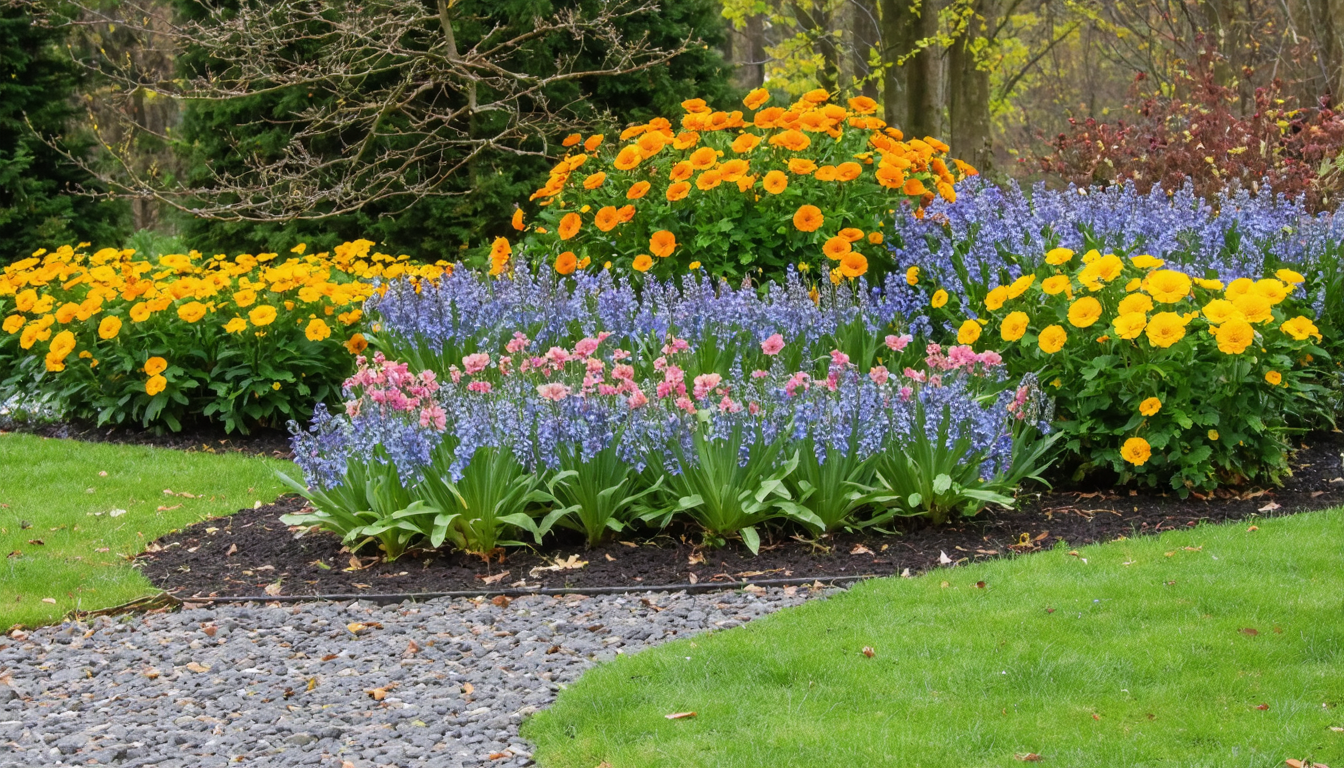
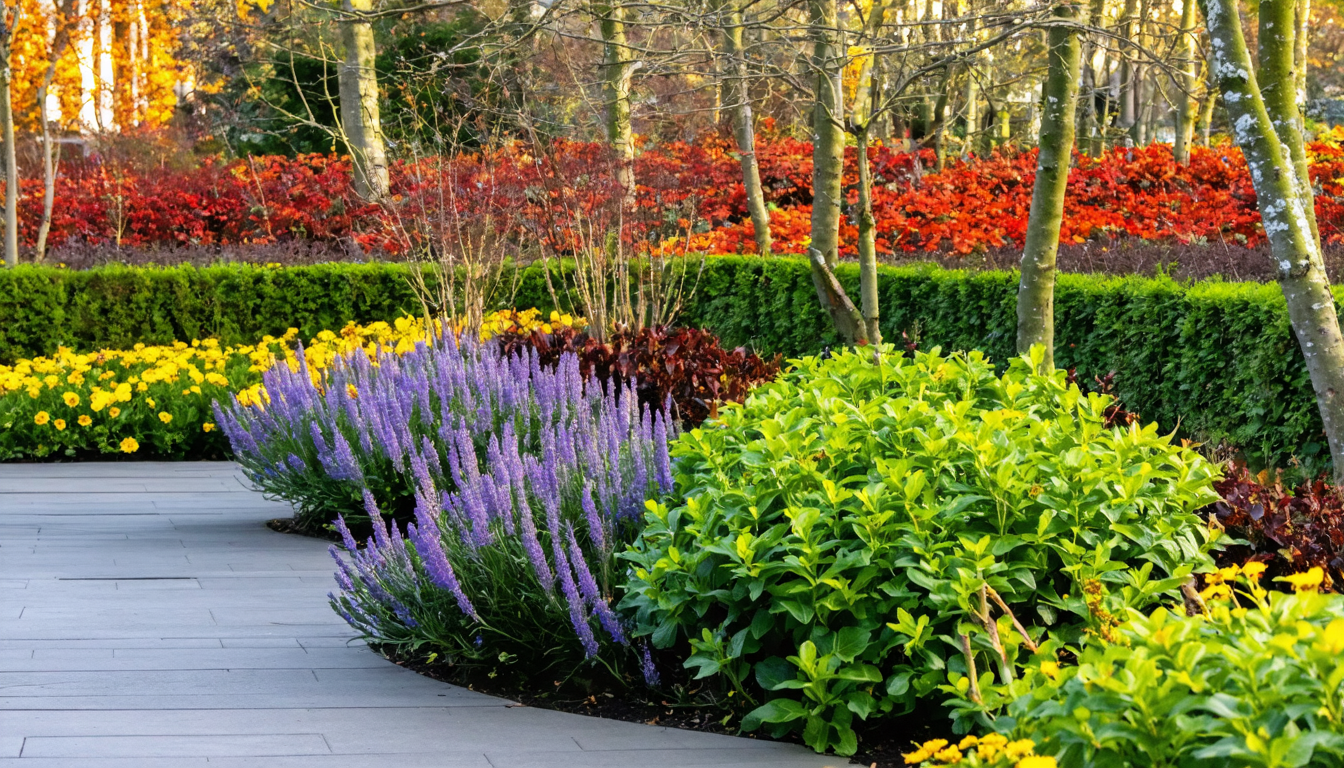
- The Natural Zone: This encompasses your garden beds, trees, and general landscaping, adding beauty and softening the hardscapes.
Solving Common House & Yard Challenges
Every property has its quirks and challenges. Here are solutions for some of the most frequent issues homeowners face.
“My Yard is High-Maintenance and Overwhelming”
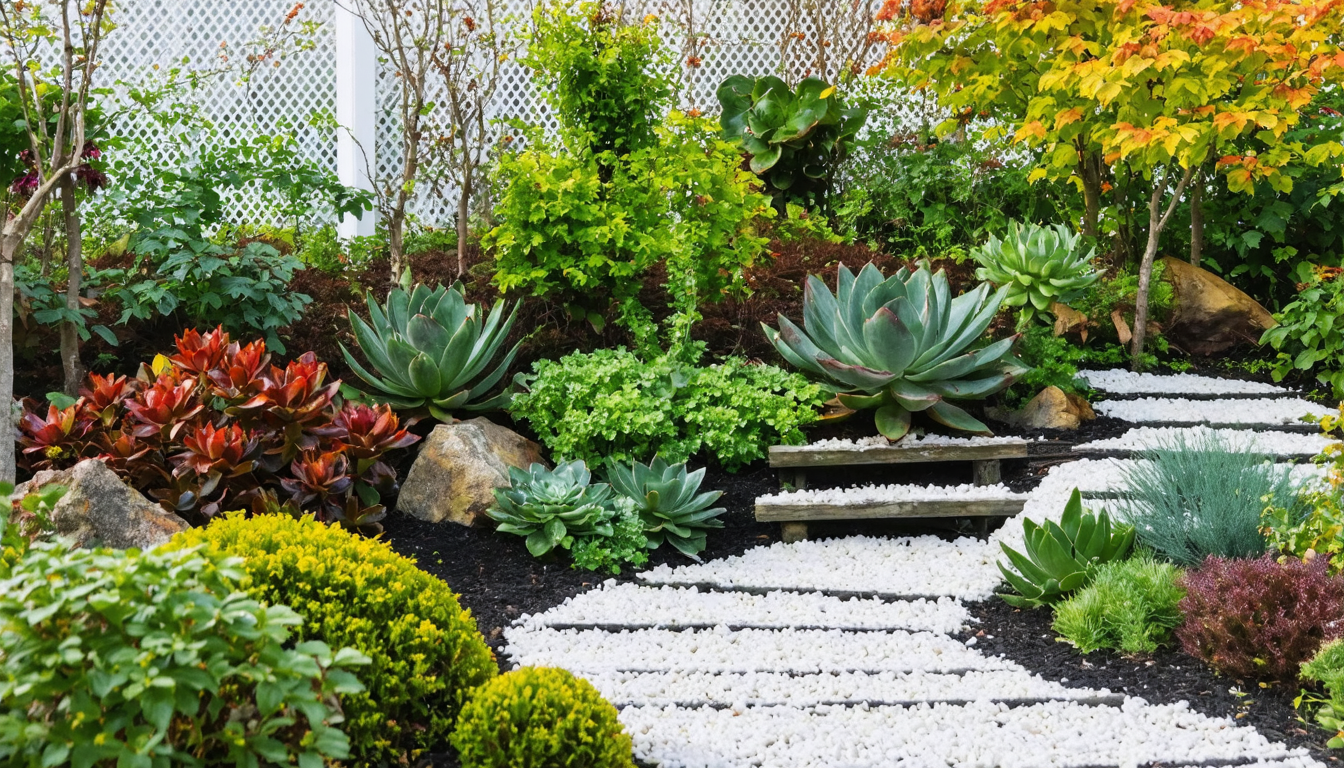
If you’re spending every weekend on yard work, it’s time for a new strategy. Consider a landscape design focused on native and drought-resistant plants, which require less water and care. Replacing large areas of grass with decorative gravel, pavers, or other hardscaping can also drastically reduce maintenance time.
“I Have No Privacy from Neighbors”
Creating a private oasis is a top priority for many. Fast-growing trees like Arborvitae or Bamboo can create a natural screen quickly. For more immediate, structural solutions, consider building a pergola and using outdoor curtains or installing lattice panels for climbing vines to add both privacy and beauty.
“My Indoor and Outdoor Spaces Feel Completely Separate”
The goal is a seamless transition. You can achieve this by carrying interior design elements outside. Use a similar color palette for cushions and accessories. If you have wood floors inside, continue with a wood deck outside. The most effective change is often enlarging doorways or installing sliding glass doors to erase the boundary between inside and out.
House & Yard Comparisons: Making the Right Choices
Key decisions in creating your outdoor space involve choosing between popular options. The right choice depends on your budget, property, and lifestyle.
Deck vs. Patio: Which is Right for Your Overview?
| Feature | Deck | Patio |
|---|---|---|
| Best For | Uneven or sloped yards | Flat, stable ground |
| Material Cost | Moderate to High (wood/composite) | Low to Moderate (pavers/gravel/concrete) |
| Lifespan & Maintenance | Requires regular sealing/staining | Generally very low maintenance |
| Installation | Often requires a professional | More DIY-friendly |
In-Ground Sprinklers vs. Drip Irrigation Systems
| Feature | In-Ground Sprinklers | Drip Irrigation |
|---|---|---|
| Best Use | Large, uniform lawns | Garden beds, shrubs, individual plants |
| Water Efficiency | Lower (prone to evaporation/overspray) | Very High (water delivered to roots) |
| Installation Cost | Higher | Lower |
| Complexity | More complex, often professional | Simpler, can be a DIY project |
Professional Landscaper vs. DIY Yard Care
This decision hinges on the scale of your vision and your own resources. A professional brings expertise, can handle complex installations quickly, and often has access to wholesale materials. DIY is far more budget-friendly and can be deeply satisfying, but it requires a significant time investment and a willingness to learn. For most, a hybrid approach works best: hire a pro for the initial master plan and major hardscaping, then handle the planting and maintenance yourself.
The Secret to a Cohesive Property: The “Sight Line” Audit
This is a powerful yet often overlooked technique used by landscape designers. While everyone worries about curb appeal from the street, the views from inside your home are what you live with every day. A “Sight Line Audit” involves strategically assessing and curating these views.
How to Conduct Your Sight Line Audit:
- Go into the rooms you use most—typically the kitchen, living room, and home office.
- Stand or sit in your usual spots and look out every window. What do you see? A tangled mess of hoses? The side of your neighbor’s shed?
- Make a list of the unsightly elements that fall directly in your line of sight.
- Now, plan to fix them. Use attractive elements to block the bad views. Place a beautiful ornamental tree, a bubbling fountain, or a piece of sculpture directly in the sight line from your favorite chair. Use fencing, trellises, or tall plantings to screen off utility areas and compost bins.
This simple audit ensures your investment in the yard enhances your daily life from the inside out.
Seasonal House & Yard Maintenance Checklist
Staying on top of maintenance is easier with a seasonal plan. Here’s a quick-reference guide to keep your entire property in top shape year-round.
| Season | House Tasks | Yard Tasks |
|---|---|---|
| Spring | Inspect roof for winter damage, clean gutters, wash windows. | aerate lawn, apply fertilizer, prune spring-flowering shrubs, plant annuals. |
| Summer | Check paint and siding, ensure AC unit is clear of debris. | Mow lawn regularly, water deeply in the morning, weed garden beds. |
| Fall | Clean gutters again, inspect weather-stripping on doors/windows. | Rake leaves, plant bulbs for spring, winterize irrigation system. |
| Winter | Check for ice dams on roof, ensure attic insulation is sufficient. | Protect delicate plants with mulch, plan next year’s garden, service tools. |
Frequently Asked Questions (FAQs)
How often should I conduct a full House & Yard Overview?
You should do a quick visual walk-around of your property at least once a month to catch small issues. However, a comprehensive, planning-focused overview is best done once a year. Late fall is an ideal time, as it allows you to assess the year that’s passed and make plans for the spring.
What is the most common mistake in house and yard planning?
The most frequent error is implementing a single, isolated “dream project” without considering its context. For example, installing a large, elaborate deck that doesn’t connect logically to the kitchen door or that overshadows the rest of the yard. This creates a disjointed property rather than a unified one.
How can I improve my house and yard on a tight budget?
Focus on high-impact, low-cost improvements. A fresh coat of paint on your front door and shutters can work wonders. In the yard, simply defining your garden beds with clean-edged borders, giving overgrown shrubs a proper pruning, and adding a few solar-powered path lights can dramatically elevate the entire property’s appearance with minimal investment.
Where should I start if my property is a complete blank slate?
Begin with a “needs and wants” list from everyone in the household. Then, physically go outside and use garden hoses, stakes, and string to mark out the different zones (entertaining, play, utility, etc.) on the ground. This allows you to “walk through” your future space and adjust the size and flow of each area before you spend a single dollar on materials or plants.
A successful property is a holistic one. By stepping back and creating a thoughtful House & Yard Overview, you can transform your separate structures and land into a unified, functional, and beautiful home environment. Start your sight line audit today and take the first step toward your ideal property.