Why Your Garden Matters: The “Why” Behind the Movement
The Hidden Costs of Conventional Gardening
Many gardeners unknowingly adopt practices that are costly and counterproductive. The reliance on high water pressure, chemical solutions, and sterile landscaping creates a cycle of dependency that harms both your wallet and the local environment.
- Escalating water bills from inefficient irrigation systems.
- Chemical pesticides and fertilizers that contaminate soil and waterways.
- Soil exhaustion and a dramatic decline in local pollinators and beneficial insects.
- A sense of disconnection from the natural processes you’re trying to nurture.
The Tangible Benefits of Going Green
Shifting to an eco-friendly approach yields rewards that extend far beyond the garden fence.
| For You | For Your Local Environment | For the Planet |
|---|---|---|
| Healthier, more nutrient-dense food and reduced grocery costs. | Creation of vital habitats for bees, butterflies, and birds. | Active contribution to carbon sequestration through healthy soil. |
| Improved mental well-being and a tangible sense of accomplishment. | Natural improvement of soil structure and water retention. | Reduction in chemical runoff polluting rivers and oceans. |
Core Trends for Embracing Eco-Friendly Gardening
Soil is the Soul: Regenerative Practices
The foundation of any garden is its soil. Moving beyond just “dirt,” we focus on building a living ecosystem.
- Composting 101: Transform kitchen scraps and yard waste into nutrient-rich humus.
- No-Till Gardening: A unique insight is that minimizing soil disturbance protects the vast, crucial network of mycelium (fungal webs). This “Wood Wide Web” allows plants to communicate, share resources, and defend against diseases.
- Using Cover Crops: Plant clover or rye in the off-season to naturally fix nitrogen, suppress weeds, and prevent erosion.
Water Wisdom: Smart Conservation Techniques
Every drop counts. Modern eco-gardening is about working with the water cycle, not against it.
| Method | How It Works | Best For |
|---|---|---|
| Rainwater Harvesting | Collecting rainwater from roofs in barrels for garden use. | All garden types, reducing municipal water use. |
| Drip Irrigation | Slow, targeted watering directly to plant roots. | Vegetable gardens, flower beds; high efficiency. |
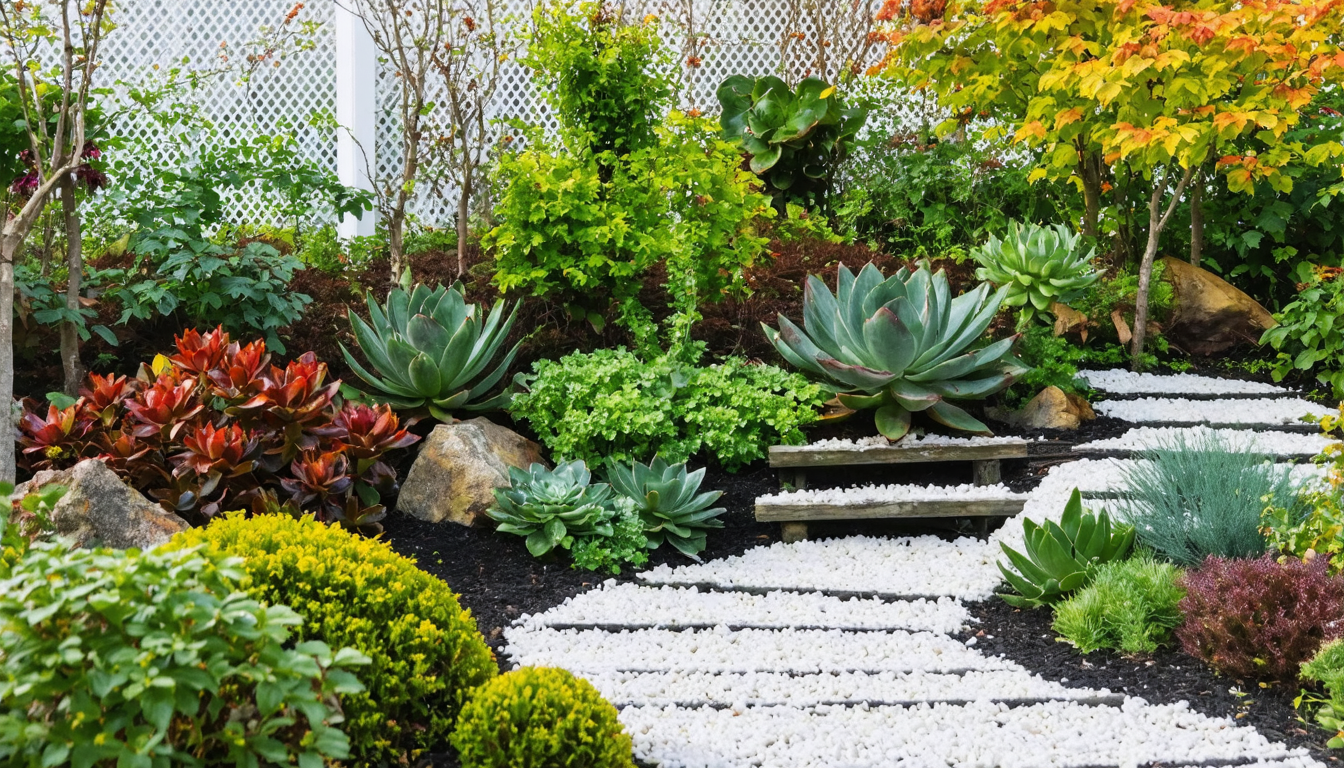
| Xeriscaping | Landscaping with drought-tolerant and native plants. | Dry climates, low-maintenance areas. |
Welcoming Wildlife: Biodiversity as Pest Control
Instead of fighting nature, invite it to work for you. A diverse garden is a resilient garden.
- Prioritize native plants that co-evolved with local insects and birds.
- Install “bug hotels” and bird baths to provide shelter and water for beneficial predators.
- A unique strategy is “Planting a Perimeter”—using sacrificial plants like nasturtiums at the edge of your garden to lure pests like aphids away from your prized vegetables.
Beyond Organic: Heirloom Seeds and Seed Saving
True sustainability means preserving genetic diversity for the future.
- Heirloom seeds offer flavors and traits lost in commercial hybrids.
- By saving seeds from your healthiest plants each year, you cultivate a variety uniquely adapted to your garden’s specific microclimate, creating a hyper-local legacy of resilience.
Head-to-Head: Eco-Friendly vs. Conventional Methods
Natural Pest Control vs. Chemical Pesticides
| Aspect | Natural Pest Control | Chemical Pesticides |
|---|---|---|
| Approach | Manages pest populations through ecosystem balance. | Seeks to eradicate pests immediately. |
| Impact on Beneficial Insects | Protects and encourages pollinators and predators. | Indiscriminately kills bees, ladybugs, and other helpers. |
| Long-Term Effect | Builds a self-regulating, resilient system. | Creates pesticide-resistant “super pests” and degrades soil health. |
Compost vs. Synthetic Fertilizer
| Aspect | Compost | Synthetic Fertilizer |
|---|---|---|
| Primary Action | Feeds the soil food web, building long-term health. | Feeds the plant directly with a quick burst of nutrients. |
| Soil Structure | Improves aeration, water retention, and microbial life. | Can lead to salt buildup and compaction over time. |
| Environmental Impact | Closed-loop system, no runoff. | Chemical runoff can cause algal blooms in waterways. |
Your First Steps: A Beginner’s Action Plan
Transforming your garden doesn’t have to be overwhelming. Start small with these achievable actions:
- Set up a small compost bin for your kitchen scraps.
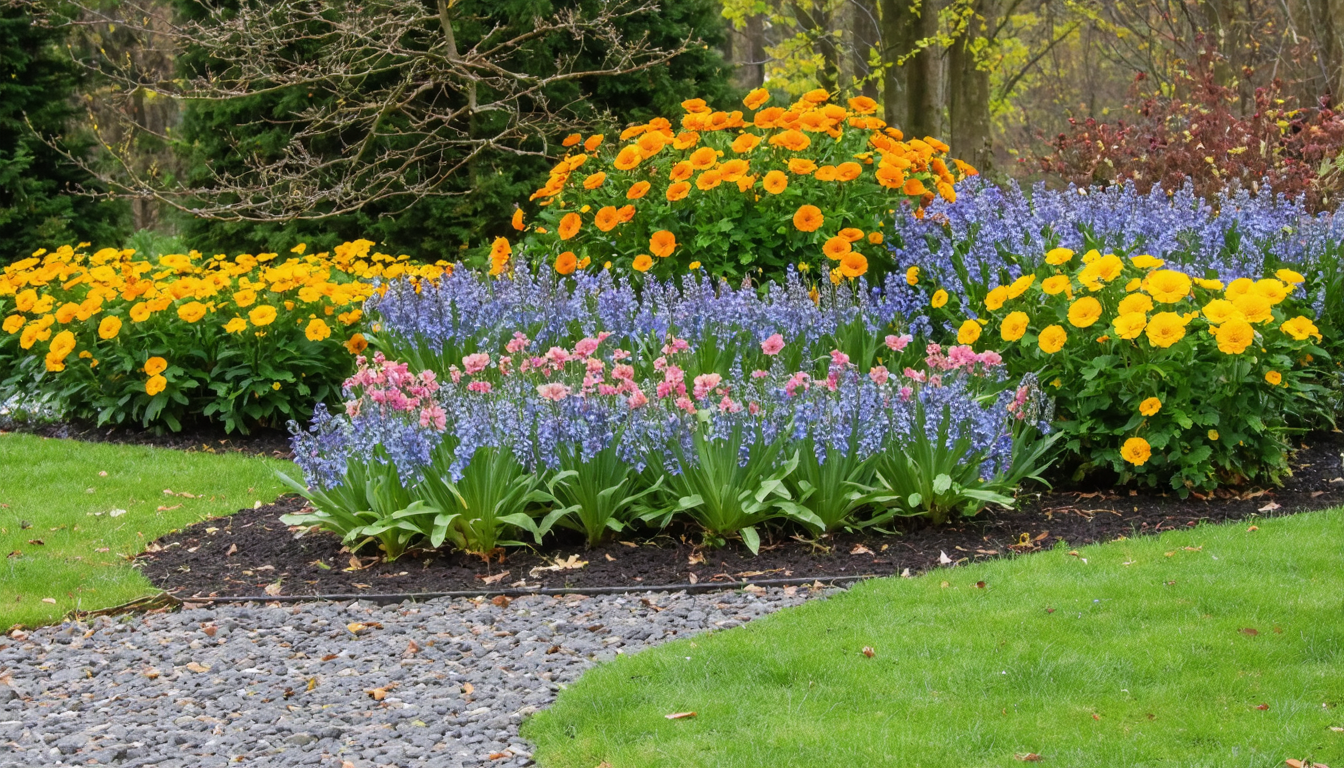
- Choose one area of lawn to replace with a cluster of native flowering plants.
- Install a single rain barrel to capture water from a downspout.
- Make a commitment to avoid all synthetic pesticides and herbicides for one full growing season and observe how the ecosystem responds.
Frequently Asked Questions (FAQs) About Eco-Friendly Gardening
Isn’t eco-friendly gardening more work?
Answer: It’s a shift in the *type* of work. While conventional gardening involves frequent, reactive tasks like spraying and fertilizing, eco-gardening is about proactive system-building. Once established, a balanced ecosystem requires less daily intervention—the garden begins to manage itself.
I don’t have a big yard. Can I still participate?
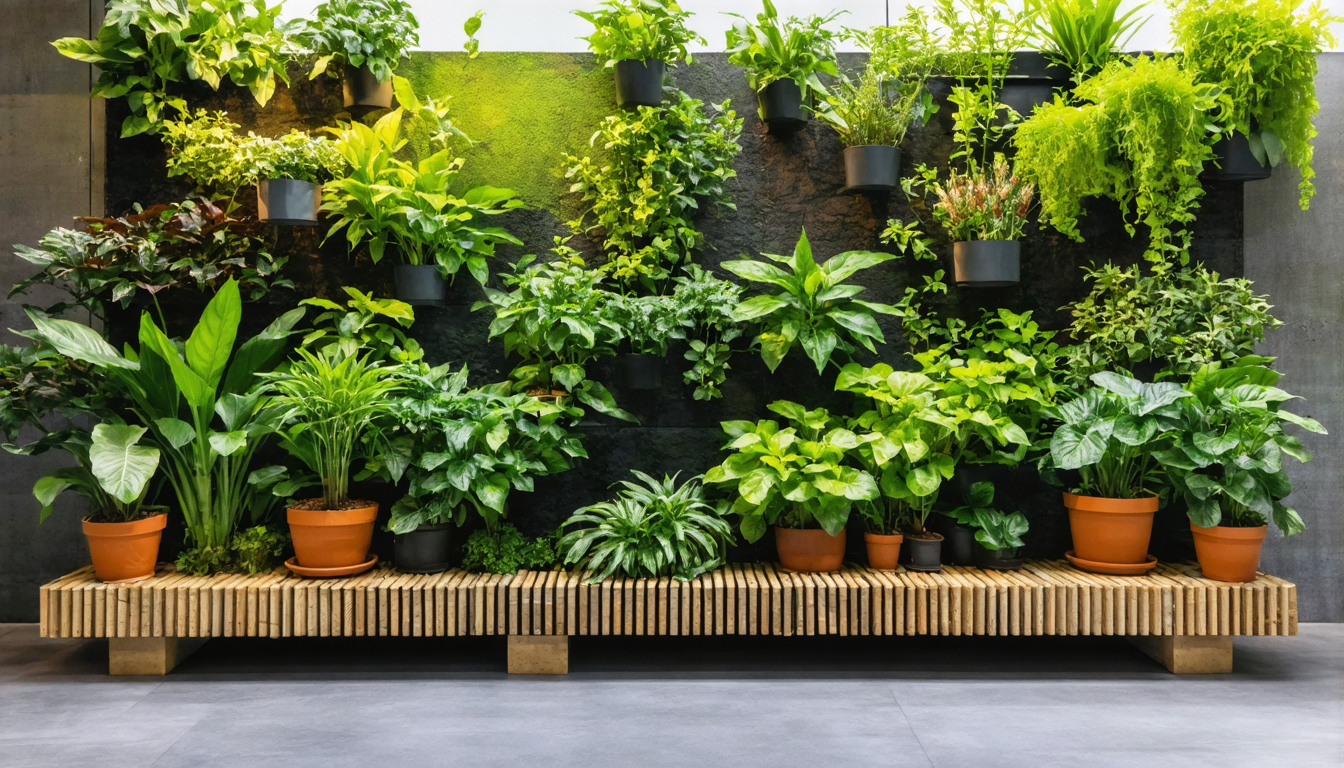
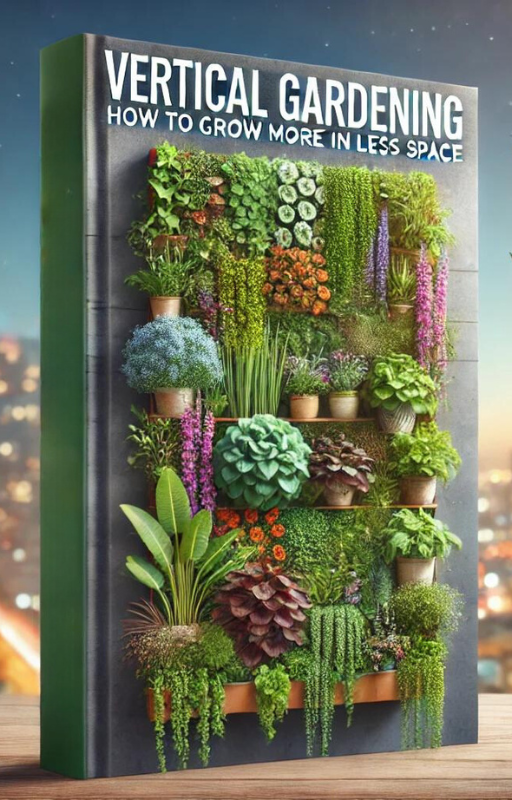
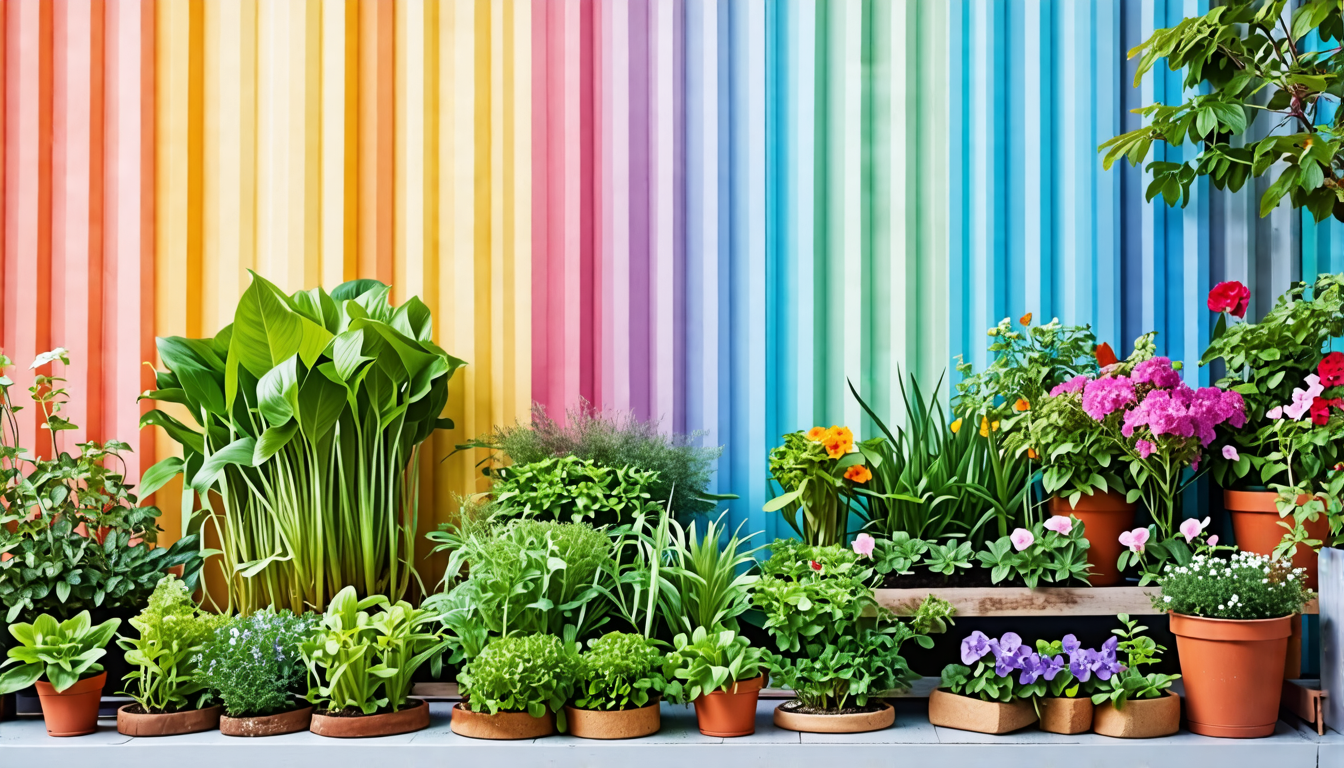
Answer: Absolutely! You can practice container gardening on a patio or balcony, install vertical planters on a sunny wall, or get a plot in a local community garden. Every green space, no matter how small, contributes.
Are eco-friendly methods really effective at controlling pests?
Answer: Yes, but the goal is different. Instead of total eradication, the aim is population control through a healthy ecosystem. By attracting birds, ladybugs, and lacewings, you enlist an army of natural predators to keep pest numbers in check.
What is the single most impactful change I can make?
Answer: The most powerful and immediate action is to stop using synthetic pesticides and herbicides. This one decision instantly makes your garden a safe haven for pollinators and soil life, setting the stage for all other positive changes.