Why You’re Considering a DIY Air Purifier
The High Cost of Clean Air
Commercial HEPA air purifiers are expensive to buy and maintain, with filter replacements adding to the long-term cost.
Analysis Paralysis in the Aisle
With countless brands, features, and technical specifications, choosing the right air purifier can be overwhelming and time-consuming.
The “Green Guilt” of Consumerism
Many seek a natural, eco-friendly, and low-waste alternative to reduce their environmental footprint.
That One Plant That’s Taking Over Your Garden
Invasive plants like English Ivy are a constant battle, but they hold a secret power you can harness.
The Secret Air-Purifying Power of a Common Weed
Meet Your Garden’s Unsung Hero: English Ivy (Hedera helix)
Often seen as a nuisance, English Ivy was identified in NASA’s Clean Air Study as a top plant for removing toxins like benzene, formaldehyde, and trichloroethylene. It acts as a natural bio-filter, turning a weed into a wellness tool.
How Does a Plant Actually Purify the Air?
Through photosynthesis, plants absorb pollutants, and microorganisms in their root soil break down harmful chemicals, creating a natural air-cleaning system.
How to Create a Homemade Air Purifier Using This Unwanted Garden Plant
What You’ll Need
| Item | Purpose |
|---|---|
| Healthy clipping of English Ivy | Core air-purifying element |
| Decorative pot with drainage | Houses the plant and soil |
| Potting soil (with activated charcoal) | Supports growth and enhances filtration |
| Small desk fan (optional) | Boosts air circulation for better purification |
The Simple 5-Step Assembly
- Harvest & Pot: Take a clipping with several leaves or transplant ivy into a pot with fresh soil.
- The Charcoal Boost (Pro Tip): Mix horticultural activated charcoal into the soil to absorb odors and impurities as water filters through.
- Placement is Key: Position in a frequently used room with indirect sunlight for optimal performance.
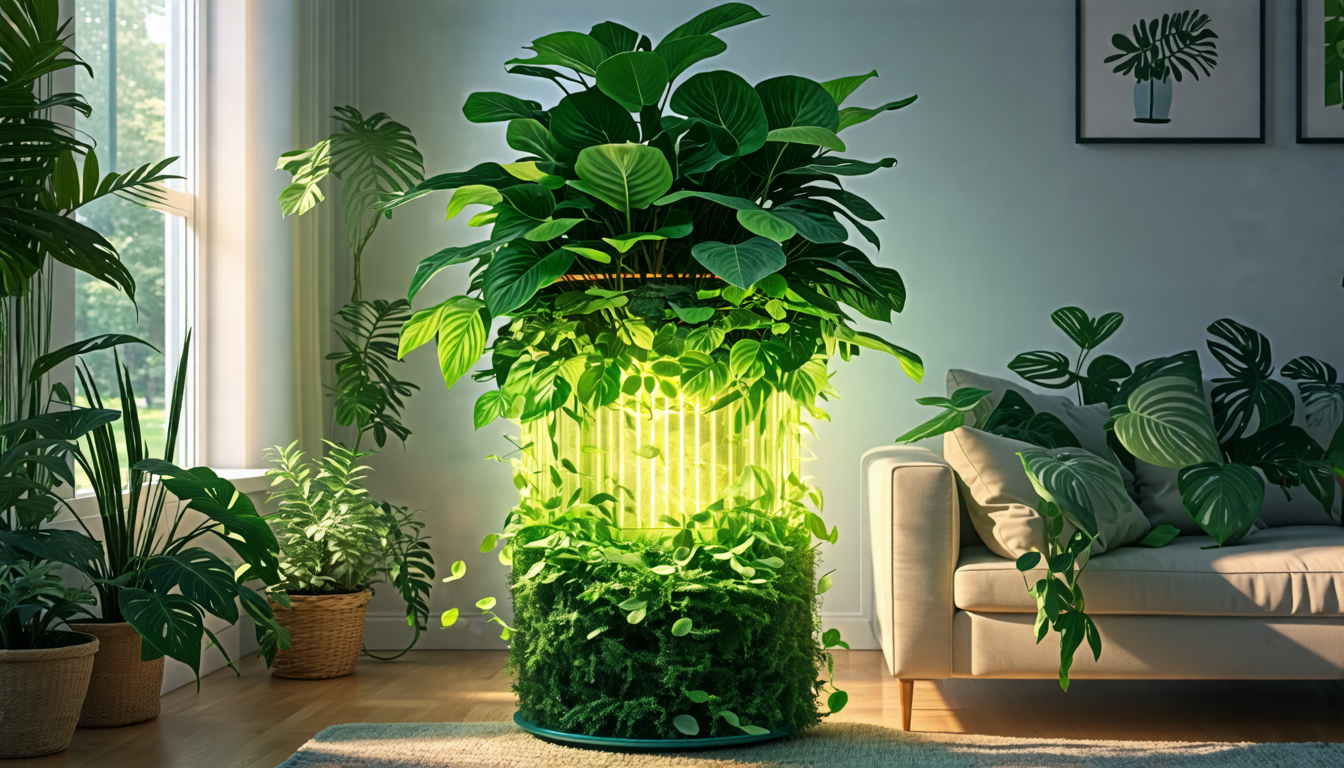
- The Fan Method (For Maximum Effect): Use a low-speed desk fan to blow air across the leaves, increasing circulation through this natural filter.
- Basic Care: Water moderately and wipe leaves clean to maintain efficiency.
DIY Plant Purifier vs. Commercial HEPA Filter: An Honest Comparison
| Aspect | DIY Plant Purifier | Commercial HEPA Purifier |
|---|---|---|
| Cost | Very low initial and maintenance cost | High purchase price and recurring filter costs |
| Eco-Friendliness | Natural, low-waste, upcycles weeds | Plastic waste and energy consumption |
| Effectiveness on Allergens | Moderate; best for VOCs | Excellent for dust, pollen, and dander |
| Noise Level | Silent operation | Can be noisy at higher settings |
Frequently Asked Questions (FAQs)
Is English Ivy safe for my pets?
English Ivy can be toxic if ingested by cats or dogs. If you have curious pets, place it out of reach or choose pet-safe alternatives like Spider Plants.
How many of these plant purifiers do I need per room?
NASA’s study suggests at least one plant per 100 square feet for noticeable air quality improvement.
Can I use other plants for this?
Yes! Peace Lilies, Snake Plants, and Spider Plants are also effective. The method works with various air-purifying species.
Will this eliminate all smoke and odors?
It reduces VOCs and mild odors but isn’t as strong as commercial purifiers with carbon filters for heavy smoke or strong smells.
Turn a Nuisance into Fresh Air
By repurposing English Ivy, you create a cost-effective, eco-friendly air purifier that enhances your home’s air quality naturally. Instead of discarding it, pot that ivy and breathe easier with this innovative solution.