Why Fall is Your Garden’s Secret Weapon for Spring
Waking Up to a Weedy, Unprepared Garden
Many gardeners face the frustration of a spring garden that’s behind schedule, overrun with weeds, and lacking vitality. Taking action in fall directly prevents this spring headache by getting ahead of weeds and preparing the soil.
Get a Head Start: How Fall Planting Leads to Spring Dominance
Fall planting allows perennials, trees, and shrubs to focus on root development during the cooler months, leading to stronger, more established plants in spring. Compare the difference:
| Fall-Planted Perennial | Spring-Planted Perennial |
|---|---|
| Deep, robust root system | Shallow, underdeveloped roots |
| Earlier blooms and growth | Delayed flowering and establishment |
| Better drought resistance | More susceptible to summer stress |
Leverage the “Fungal Network”
Fall is the prime time for beneficial soil fungi, known as mycorrhizae, to establish symbiotic relationships with plant roots. These hidden networks help plants absorb more water and nutrients, making them significantly more resilient and vigorous come spring—a secret boost happening right beneath your feet.
Essential Fall Cleanup: What to Do and What to Skip
Do This: Cut Back Diseased Plants and Remove Debris
Removing infected foliage and fallen debris helps prevent pests and diseases from overwintering and re-infecting your garden next season.
Skip This: Don’t “Clean” Everything—Leave Habitat for Helpers
Avoid the urge to tidy up completely. Leaving seed heads provides food for birds, and standing stems of native plants offer crucial shelter for overwintering pollinators like mason bees, supporting local biodiversity.
The Great Leaf Debate: Rake or Leave?
Choosing between a tidy lawn and a healthy ecosystem? Here’s a comparison to guide your decision:
| Raking Leaves | Mulching Leaves |
|---|---|
| Creates a neat appearance | Adds organic matter and nutrients to soil |
| Removes potential habitat for pests | Insulates plant roots from temperature swings |
| Best for thick layers that smother grass | Ideal for moderate leaf cover; mow over them to shred |
Planting and Sowing for a Spring Spectacle
Plant Spring-Blooming Bulbs for the First Pop of Color
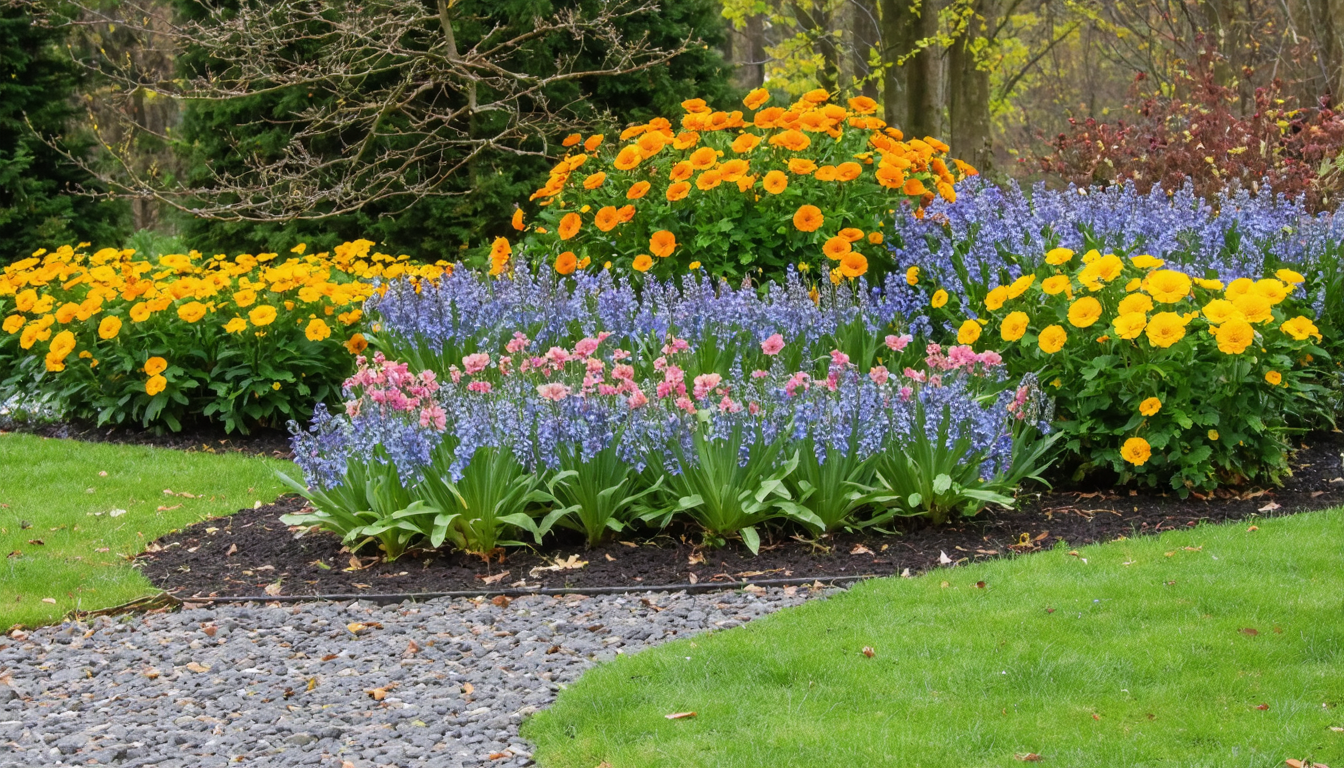
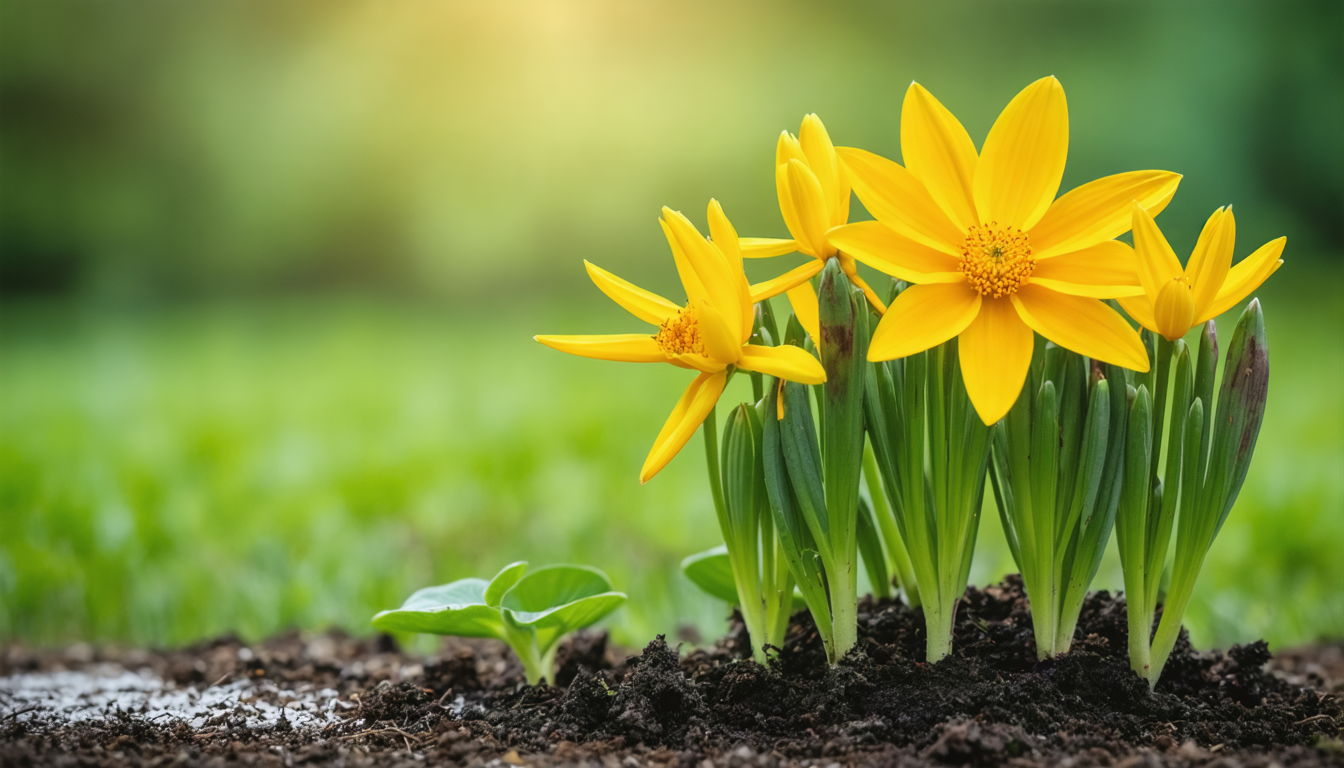
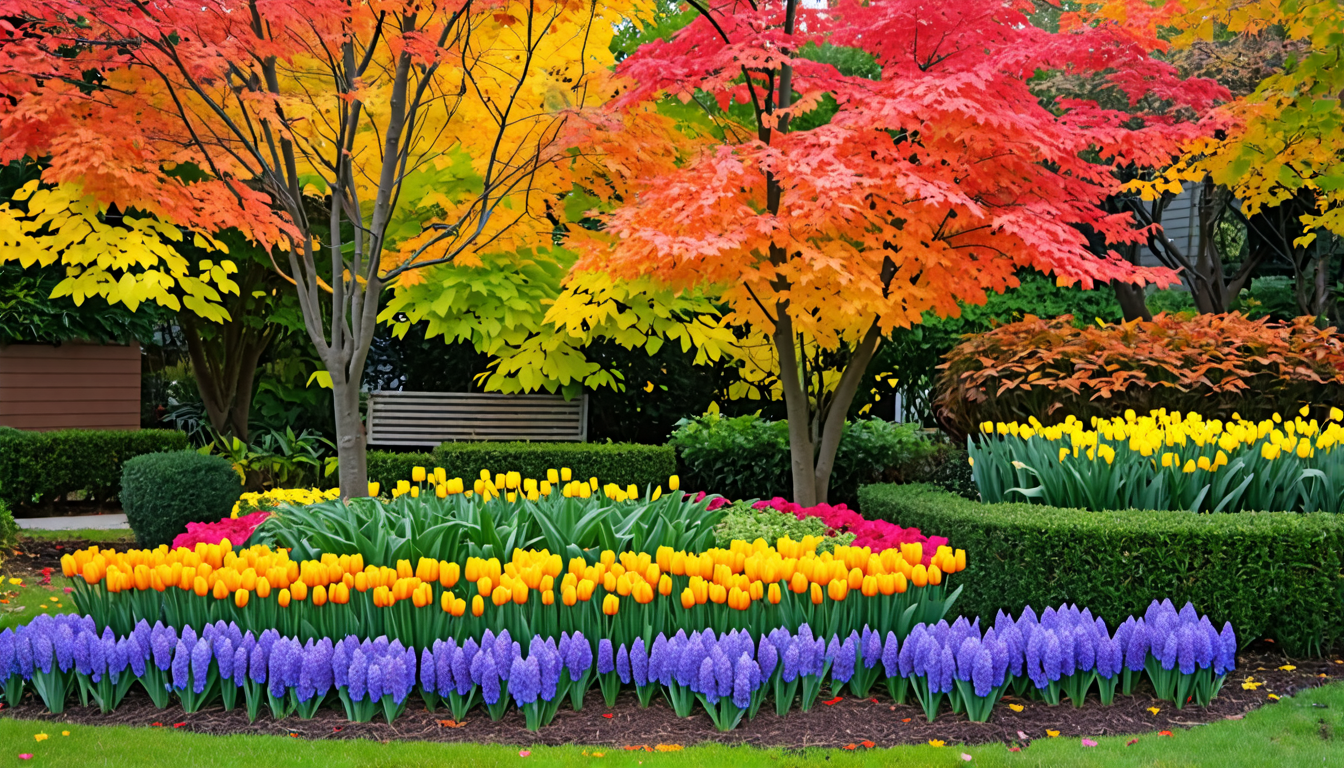
Get a jump on spring by planting bulbs like tulips, daffodils, and crocuses. Ensure proper depth and spacing, and consider using a bulb fertilizer to encourage strong growth.
Sow Seeds for Hardy Annuals and Perennials
Many native flowers, such as poppies and coneflowers, require cold stratification to germinate. Sowing their seeds in fall mimics natural cycles, leading to better germination rates in spring.
The Best Trees and Shrubs to Plant in Autumn
Cooler temperatures and consistent moisture reduce transplant shock, allowing trees and shrubs to focus on root establishment rather than top growth. This leads to healthier, more resilient plants.
Nourish and Protect: Building Resilience from the Ground Up
Feed Your Soil, Not Just Your Plants
Adding compost or well-rotted manure in fall enriches the soil slowly, providing a steady supply of nutrients that will be readily available for spring growth.
Apply a Protective Winter Mulch
The goal of winter mulch is to insulate plant roots from damaging freeze-thaw cycles, not to keep them warm. Timing is critical:
| Mulching Too Early | Mulching After Ground Freezes |
|---|---|
| Can attract rodents seeking shelter | Protects roots without encouraging pests |
| May delay plant dormancy | Locks in cold, preventing premature growth |
Don’t Forget to Hydrate (Especially Evergreens)
Water perennials, trees, and shrubs deeply before the ground freezes. This prevents winter desiccation, a common issue where plants dry out from wind and sun when they can’t draw water from frozen soil.
Frequently Asked Questions (FAQs)
Is it too late to fertilize my lawn in the fall?
No, fall is actually the ideal time. Using a slow-release nitrogen fertilizer promotes strong root development, leading to a healthier, greener lawn in spring.
Should I cut back my perennials in the fall?
It depends. Always cut back diseased or damaged plants. For healthy perennials, consider leaving stems and seed heads to provide winter interest and habitat for beneficial insects.
When is the absolute best time to do my fall gardening?
Aim for after the first few light frosts but before the ground freezes solid. This window is typically from late September through November, depending on your local climate zone.
Can I still divide perennials in the fall?
Yes, for many spring and summer bloomers like Hostas, Daylilies, and Bearded Iris, fall division is perfect. It gives them time to establish roots before winter dormancy.
Conclusion: Your Spring Garden is Counting on You
The effort you put into your garden this autumn is a direct investment in its future. By following these essential fall gardening tips, you’re not just tidying up—you’re building a strong foundation for a vibrant, resilient, and beautiful spring revival. Grab your gloves and get started; your garden will thank you.