2024 Gardening Trends: Embracing Sustainability and Creativity in the Face of Climate Change
Gardening is no longer just a pastime; it’s a powerful, proactive response to our changing world. In 2024, the most exciting trends merge creative expression with deep ecological responsibility, empowering everyone to cultivate spaces that are not only beautiful but also resilient and restorative.
The Driving Force: Gardening in an Era of Climate Change
Today’s gardeners face a new set of challenges, transforming how we approach our plots of land.
The New Reality for Gardeners
Unpredictable weather patterns, prolonged droughts, intense heatwaves, and the arrival of new pests are becoming the norm. These factors make traditional gardening methods less effective and more frustrating.
From Ornamental to Functional
The mindset is shifting. Gardens are now viewed as vital, mini-ecosystems that provide food, support wildlife, manage stormwater, and even help cool urban heat islands.
Top Sustainable Gardening Trends for 2024
These trends are at the forefront of creating gardens that work with nature, not against it.
The “Climate-Resilient” Plant Palette
Many gardeners watch their favorite plants struggle and fail in new weather extremes. The solution is a strategic move toward native plants, deep-rooted perennials, and drought-tolerant species that can handle wider temperature swings.
Something Unique: A fascinating development is “assisted migration,” where gardeners intentionally plant species from slightly warmer hardiness zones. This practice anticipates future climate conditions, helping gardens adapt proactively rather than reactively.
Water-Wise Wisdom: Beyond Basic Conservation
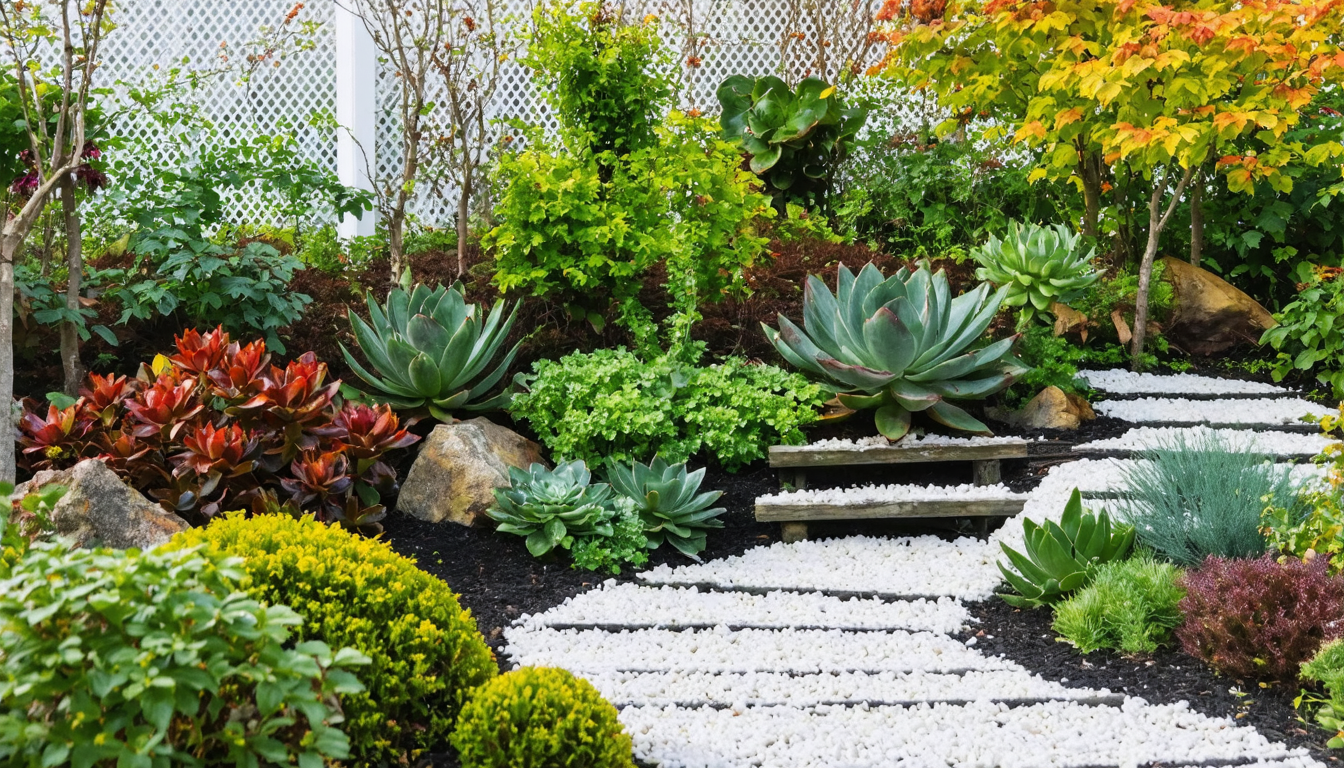
With water restrictions and the high cost of irrigation becoming more common, efficient water use is non-negotiable. This trend goes beyond just watering less and embraces techniques like xeriscaping, building rain gardens, and using ancient tools like ollas (unglazed clay pots that seep water directly to roots).
| Method | Best For | Key Benefit |
|---|---|---|
| Drip Irrigation | Vegetable gardens, rows of plants, foundation plantings | Extremely precise water delivery to the root zone, minimizing evaporation. |
| Soaker Hoses | Dense flower beds, hedges, around trees | Easy to install and provides gentle, widespread seepage along its length. |
Rewilding and Gardening for Biodiversity
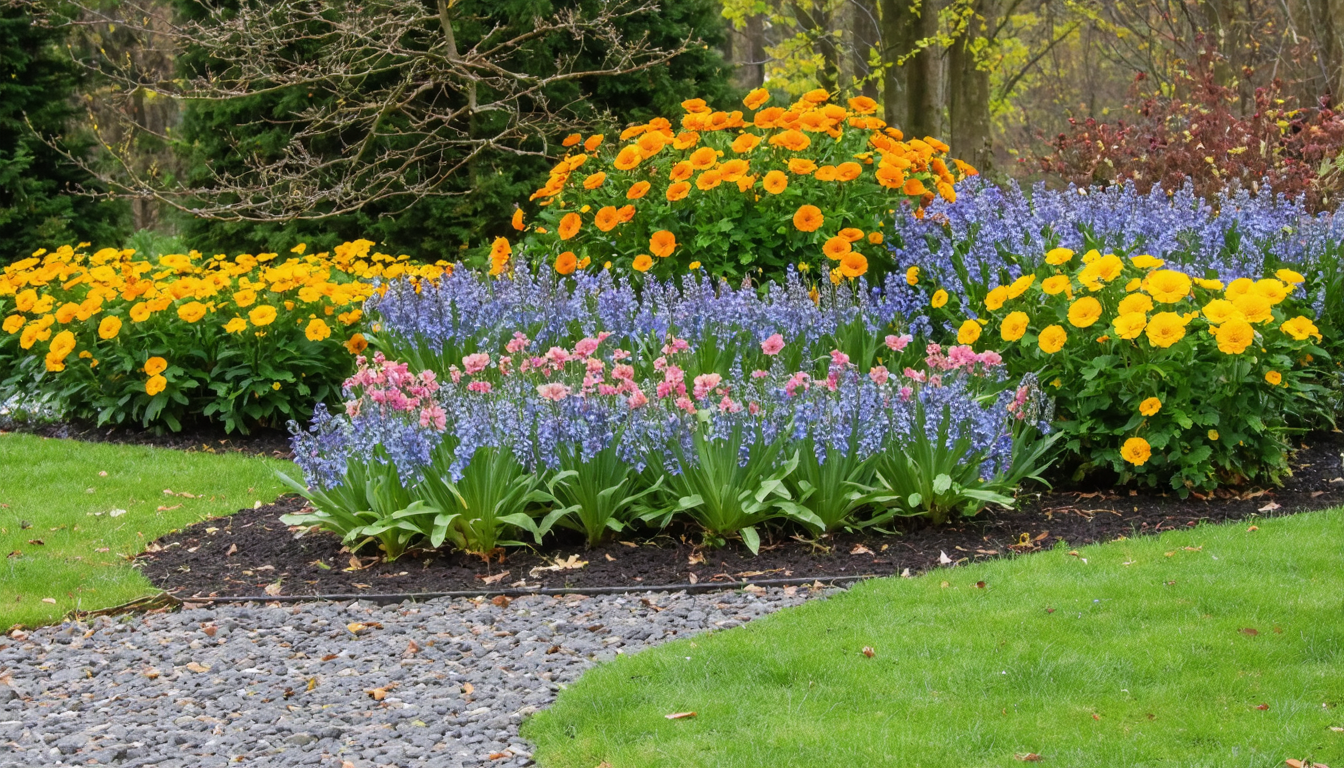
The alarming decline of bees, butterflies, and other crucial pollinators is a major concern for the health of our ecosystems. Gardeners are responding by intentionally creating habitats. This includes leaving gardens a little “messy” over winter, building insect hotels, and allowing seed heads to remain as a food source for birds.
The Circular Garden: Closing the Loop on Waste
The cycle of buying new plants, discarding plastic pots, and sending yard waste to the landfill is unsustainable. The circular garden focuses on reducing inputs and waste through composting, hugelkultur (building garden beds on a base of rotting wood), and saving seeds from one season to the next.
Something Unique: “No-Dig” gardening is surging in popularity. By adding compost on top of the soil instead of tilling it, you mimic the natural forest floor. This builds incredible soil health, suppresses weeds, and, crucially, helps sequester carbon in the ground, making your garden a small-scale climate solution.
Creative and Adaptive Gardening Trends
Sustainability and creativity go hand-in-hand, leading to innovative solutions for modern living.
Tech-Enabled Gardening: Smart Solutions for Modern Problems
Busy schedules and a lack of expertise can make consistent garden care difficult. Technology offers a helping hand with smart irrigation controllers that adjust to the weather, soil moisture sensors that tell you exactly when to water, and apps that can identify plants and diagnose pests in seconds.
Small-Space, High-Impact Solutions
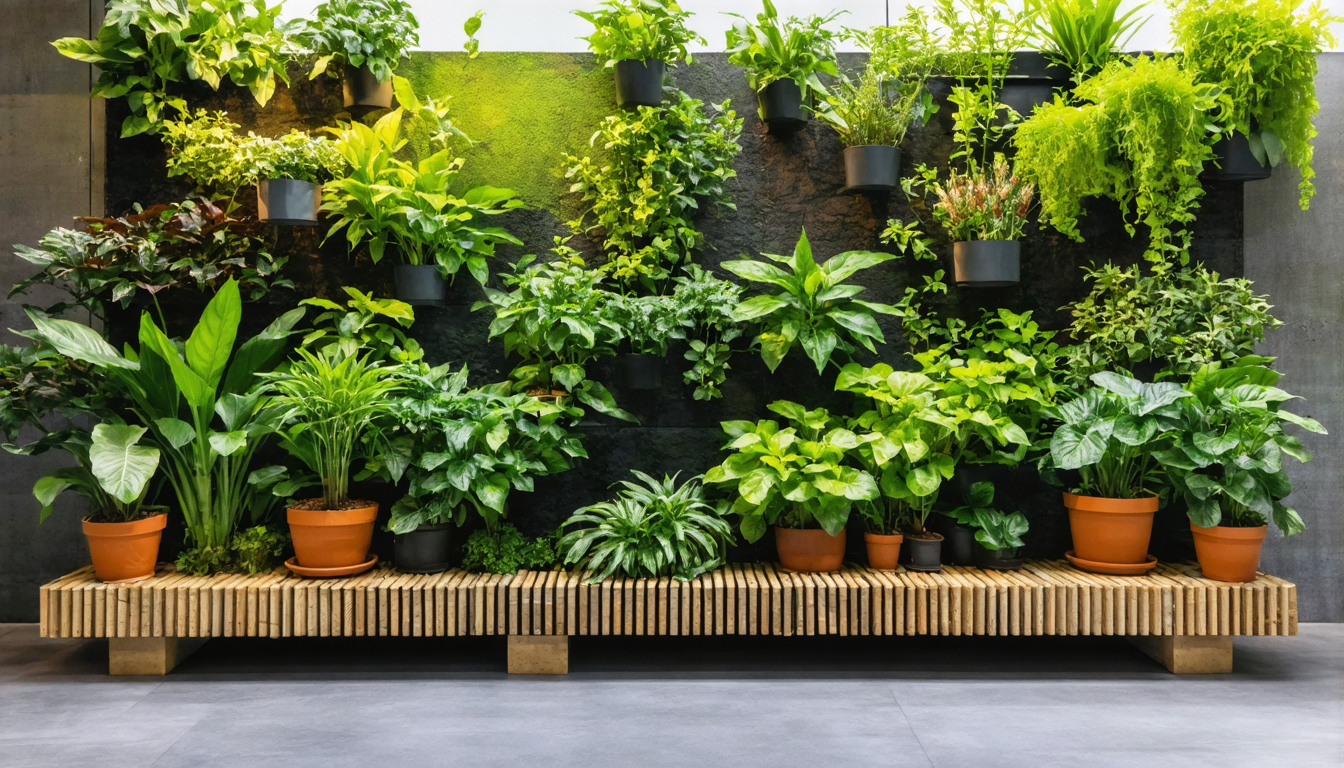
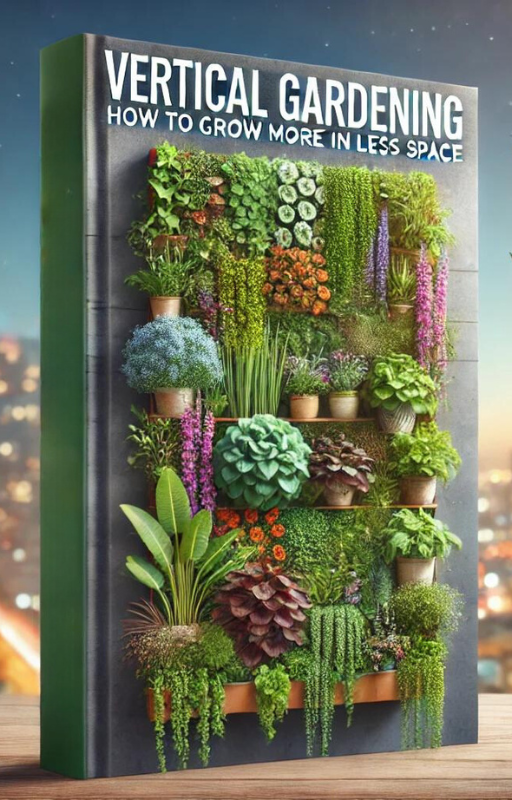
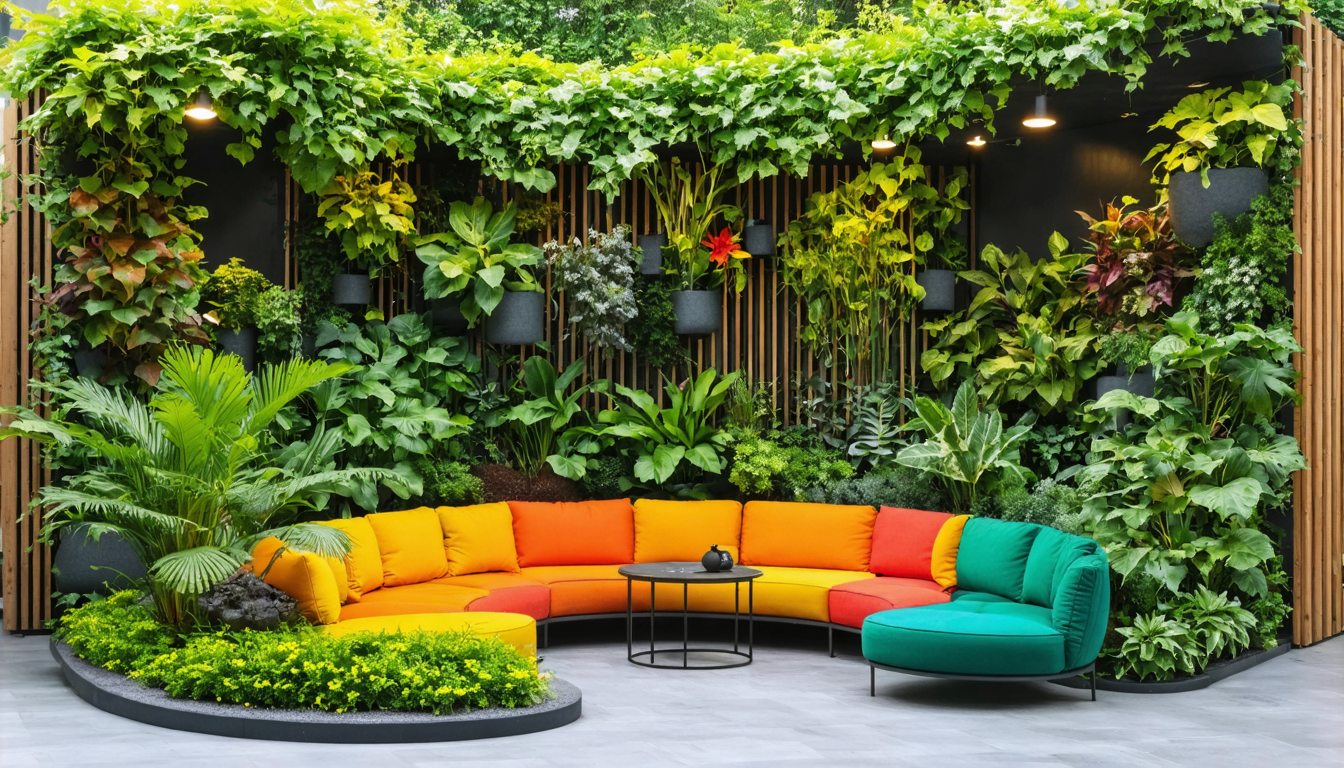
Not having a large yard is no longer a barrier to gardening. The movement towards vertical gardens, productive balcony containers, and renting community plots is stronger than ever, proving that you can grow a significant amount of food and beauty in a tiny footprint.
The Edible Aesthetic: Foodscaping Takes Center Stage
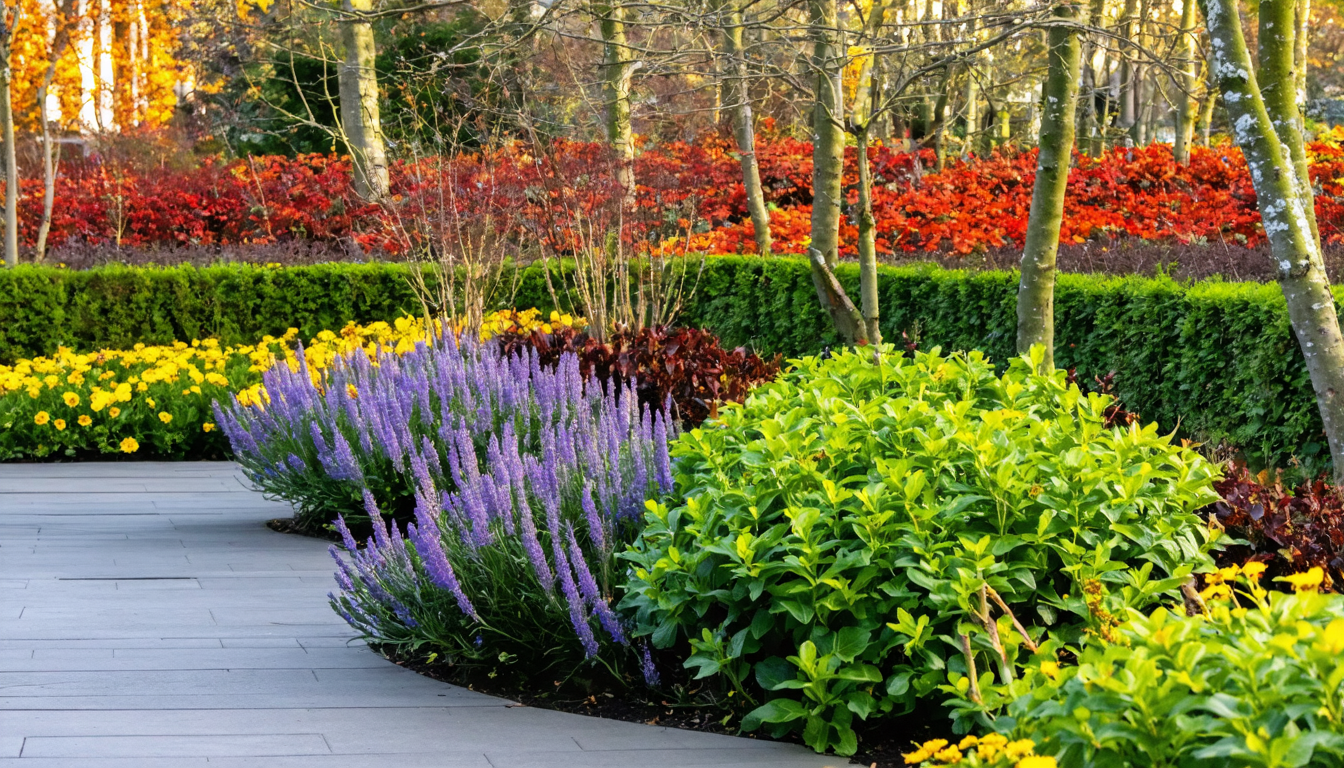
Why choose between a beautiful garden and a productive one? Foodscaping seamlessly integrates edible plants into ornamental designs. Imagine vibrant rainbow chard alongside your flowers, the sculptural leaves of ornamental kale in a border, or a blueberry bush offering brilliant fall color and a summer harvest.
Frequently Asked Questions (FAQs)
I’m a beginner. What is the one 2024 trend I should start with?
Start with composting. It’s simple, reduces household waste, creates free and incredibly nutrient-rich soil for your plants, and is the fundamental practice of a sustainable garden.
Are these sustainable trends more expensive than traditional gardening?
While some initial investments can be higher (like smart technology), most sustainable practices save you significant money in the long run. You’ll reduce water bills, eliminate the need for chemical fertilizers and pesticides, and can propagate your own plants from seeds and cuttings.
How can I make my lawn more sustainable without removing it entirely?
Consider transitioning to a clover lawn or a low-mow, drought-resistant fescue blend. These options require far less water, need no chemical fertilizers, and provide nectar for pollinators, offering a perfect middle-ground solution.
What if I don’t have a “green thumb”? Can I still participate in these trends?
Absolutely. Begin with resilient native plants that are already adapted to your local climate—they are naturally hardier and more forgiving. Using simple technology like a soil moisture meter can also take the guesswork out of watering and help you build confidence quickly.
Conclusion: Your Garden, A Force for Positive Change
The 2024 gardening trends empower you to be an agent of positive change. By embracing sustainability and creativity, you can transform your outdoor space into a beautiful, resilient, and life-supporting sanctuary. Start today by choosing just one trend to implement, and watch as your garden becomes part of the solution.