Why Listen to an Almanac? The Wisdom of Timing
Almanacs offer more than just dates; they are a compilation of generations of observational wisdom, connecting your garden’s health to the rhythms of the earth and sky.
Beyond the Calendar
While a standard calendar tells you the date, an almanac uses lunar cycles, historical weather patterns, and astronomical events to provide a nuanced guide for planting and garden care. This holistic approach considers factors that directly influence plant growth and soil conditions.
The Unique Advantage for Late November 2024
This particular period is influenced by the “Beaver Moon.” Almanac wisdom suggests that the cooling effect of the clear nights around this full moon is an ideal signal to finish applying protective mulches, as it encourages plants to enter a state of full dormancy.
Late November Garden Challenges and Almanac Solutions
This is the time of year when gardeners face specific frustrations. Here’s how almanac wisdom provides practical, time-tested solutions.
“I’m worried my perennials will die in a sudden freeze.”
Almanac Solution: The key is not just to insulate, but to stabilize. After the ground has frozen slightly, apply a 4-6 inch layer of mulch like shredded leaves or straw. This layer doesn’t prevent freezing; it maintains the frozen state, preventing the damaging cycle of thawing and refreezing that heaves plant roots out of the soil.
“My soil is exhausted and I don’t know how to fix it.”
Almanac Solution: Let nature rebuild your soil. Late fall is the perfect time to sow a winter cover crop like winter rye or crimson clover. These “green manures” prevent winter erosion and, when turned into the soil in spring, decompose to add vital nutrients and organic matter.
“I have no idea what to do with all these fallen leaves.”
Almanac Solution: Turn this “waste” into “black gold.” Instead of bagging leaves, create a dedicated leaf mold pile or shred them with a lawnmower. Shredded leaves make an excellent, free mulch that suppresses weeds and enriches the soil as it breaks down, a classic waste-not practice.
Tucking in Your Garden: A Task-by-Task Guide
A systematic approach ensures every part of your garden is cared for. Here is your late November checklist.
Protecting Your Prized Plants
- Roses: Mound soil or compost around the base of grafted roses to protect the sensitive bud union from freezing temperatures.
- Tender Shrubs: Wrap vulnerable shrubs like some hydrangeas with burlap to shield them from harsh, drying winds and heavy snow.
Putting the Vegetable Garden to Bed
- Remove and compost spent annual plants to reduce overwintering sites for pests and diseases.
- Perform a final weeding to prevent weeds from establishing a head start in the spring.
- Something Unique: Leave the roots of your bean and pea plants in the ground. These plants are nitrogen-fixers. As their roots decompose over the winter, they release this essential nutrient back into the soil, providing a free, natural fertilizer for next year’s crops.
Tool Care and Infrastructure
Preparing your tools is as important as preparing your plants.
| Tool | Late Fall Care |
|---|---|
| Hand Tools & Blades | Clean off soil, sharpen edges, and wipe with a light oil to prevent rust. |
| Hoses | Drain completely and store in a coil in a shed or garage to prevent cracking. |
| Power Equipment | Run the engine until fuel is depleted or add a fuel stabilizer. |
Almanac vs. Modern Gardening: A Late November Comparison
Understanding the difference in philosophy can help you choose the best methods for your garden.
Timing Your Final Mulch
- Modern Advice: “Mulch after the first hard frost.”
- Almanac Nuance: “Mulch after the ground has frozen, an event often predicted by a specific moon phase or a consistent drop in evening temperatures below a certain threshold, as noted in historical records for your region.”
Planting Spring Bulbs
- Modern Advice: “Plant bulbs in the fall before the ground freezes.”
- Almanac Nuance: “For a staggered, longer bloom time, plant bulbs at different depths—deeper for later blooms and shallower for earlier ones. Consider planting during the ‘dark of the moon’ to encourage strong root development before top growth.”
Frequently Asked Questions
Is it too late to plant anything in late November?
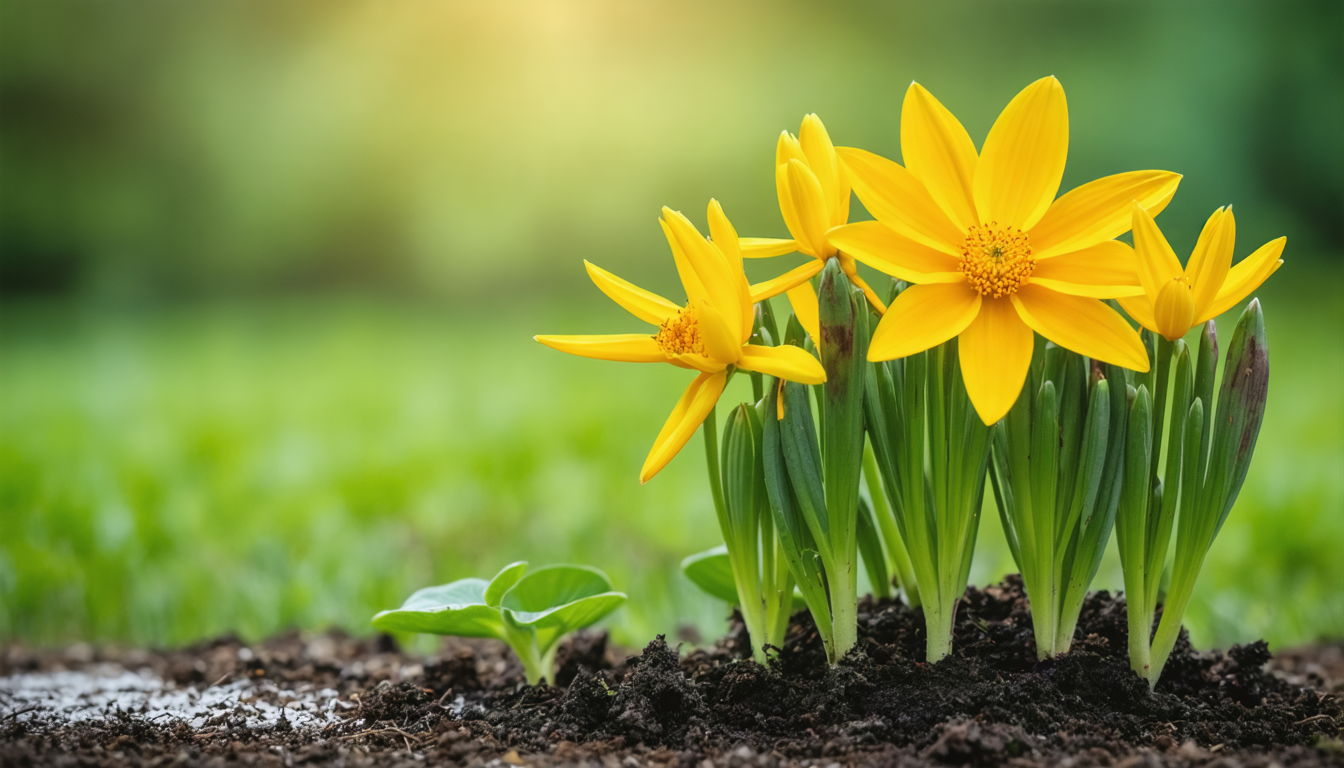
For most plants, yes, the growing season is over. However, it is the perfect time to plant spring-blooming bulbs like tulips and daffodils, as well as garlic and shallots. These plants require a period of cold stratification (a winter chill) to trigger proper growth and flowering in the spring.
Should I cut back all my perennials in the fall?
Not necessarily. Almanac wisdom often suggests leaving ornamental grasses and plants with sturdy seed heads (like coneflowers and sedum) standing. This provides crucial winter interest in the garden, shelter for beneficial insects, and a valuable food source for birds during the lean winter months.
How does almanac-inspired advice for late November 2024 differ from general advice?
General advice provides a reactive checklist based on broad climate zones. Almanac-inspired advice for this specific period integrates celestial timing, like the phases of the moon, and long-term historical weather patterns for 2024. This offers a proactive, holistic strategy that connects your garden’s health directly to the broader, predictable patterns of the natural environment.
Looking Ahead: Setting the Stage for Spring 2025
The work you do in late November is a gift to your future self. By protecting your plants, enriching your soil, and caring for your tools now, you are laying the foundation for a healthier, more vibrant, and productive garden next spring. Take a moment to jot down what you’ve done; these notes will be invaluable for comparing results next year. Your efforts now are a quiet promise of the beauty and abundance to come.