Essential Autumn Cleanup for a Healthy Spring Garden
Many gardeners view autumn as the end of the growing season, but it’s actually the secret starting line for a spectacular spring. The work you do now is a direct investment in next year’s garden. A thorough autumn cleanup is not just about tidiness; it’s a critical protective measure for your plants’ health.
The Hidden Danger of Leaving Dead Plants
A common misconception is that leaving dead plants standing over winter is less work. However, this practice creates a perfect haven for pests like slugs and snails, and can harbor fungal diseases that will overwhelm your garden in spring. Removing this material disrupts their life cycles, saving you from major pest and disease control headaches later.
Strategic Cleanup: What to Remove and What to Leave
A smart cleanup involves discernment, not just clearing everything away.
- Remove: Diseased foliage, spent annuals, and rotten vegetables. This prevents pathogens from overwintering in your soil.
- Leave: Ornamental grasses, seed heads (to feed birds), and the stems of many perennials. These provide crucial winter habitat for beneficial insects like native bees.
Unique Insight: Lasagna Gardening (Sheet Composting)
Instead of bagging and discarding fallen leaves and garden debris, use them to build fertile soil for next year. “Lasagna gardening” involves layering carbon-rich “browns” (like cardboard, fallen leaves) and nitrogen-rich “greens” (like kitchen scraps, pulled weeds) directly on top of a future garden bed. By spring, the layers will have decomposed into rich, weed-suppressing compost, ready for planting.
Fall Planting: The Secret to a Head Start
While many believe planting season ends with summer, autumn is actually the ideal time to establish a wide variety of plants for a stronger, earlier spring display.
Debunking the “Too Late to Plant” Myth
The warm soil of autumn encourages robust root growth without the stress of summer’s intense heat. This gives plants a months-long head start to establish themselves before their first summer.
What to Plant in Autumn: A Comparison
| Plant Type | Examples | Why Plant in Fall |
|---|---|---|
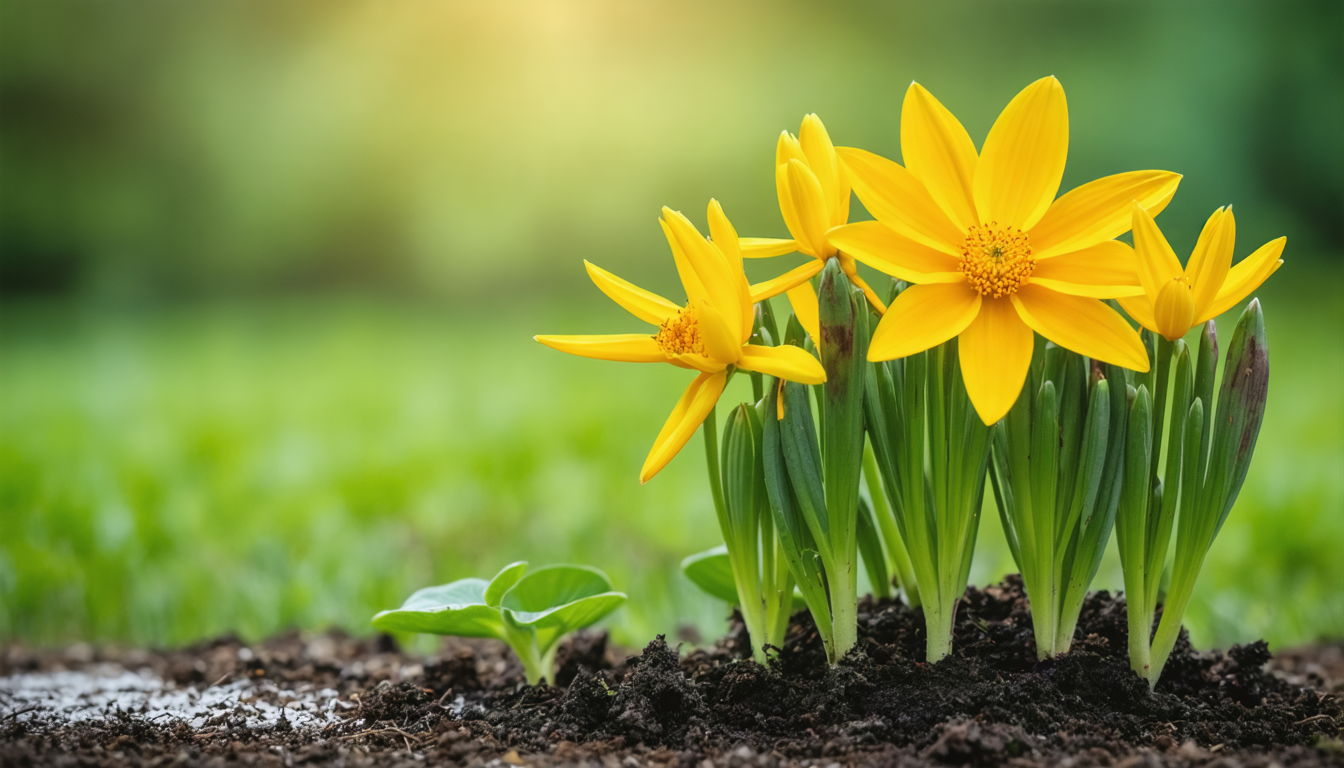
| Spring-Blooming Bulbs | Tulips, Daffodils, Crocus, Hyacinths | They require the winter chill (vernalization) to trigger blooming in spring. |
| Trees, Shrubs & Perennials | Peonies, Daylilies, Ornamental Trees | Establishes strong root systems before the energy demands of spring growth and summer heat. |
Protecting Your Garden Through the Winter Months
A common frustration is seeing plants die or look damaged after winter. Often, this isn’t due to the cold itself, but to freeze-thaw cycles and drying winter winds.
Mulching: Your Garden’s Winter Coat
A proper layer of mulch acts as an insulating blanket, protecting plant roots from temperature swings and conserving soil moisture.
| Mulch Type | Best Use | Pros & Cons |
|---|---|---|
| Shredded Leaves | General garden beds | Pros: Free, excellent for soil health. Cons: Can mat down if not shredded. |
| Straw or Pine Needles | Vegetable gardens, acid-loving plants | Pros: Good insulation, allows water penetration. Cons: Avoid hay (contains weed seeds). |
| Wood Chips/Bark | Paths, around trees & shrubs | Pros: Long-lasting. Cons: Can temporarily tie up nitrogen if mixed into soil. |
Key Tip: Wait until the ground has frozen hard before applying your final winter mulch. Applying it too early can create a cozy habitat for rodents to nest and feed on your plants.
Caring for Tender Plants
For plants that are marginally hardy in your zone, simple protection strategies can make all the difference. This can include mounding soil or mulch around the base of rose bushes, wrapping young trees with tree guards to prevent sunscald, and using burlap screens to shield broadleaf evergreens from drying winds.
Lawn Care: The Foundation of a Spring-Ready Yard
Don’t neglect your lawn in your autumn garden preparations. The care you provide now will ensure a lush, green carpet when spring arrives.
Why Fall is the Best Time for Aeration and Overseeding
Cool-season grasses thrive with autumn attention. Core aeration relieves soil compaction, allowing water, air, and nutrients to reach the grass roots. Overseeding immediately after aeration fills in bare patches and introduces new, robust grass varieties, leading to a thicker lawn.
The Final Mow and Leaf Management
For the last cut of the season, gradually lower your mowing height to about 2 inches to prevent matting and snow mold. As for leaves, a thin layer can be mowed over to add organic matter to the lawn, but a thick, smothering layer must be raked or blown off to prevent the grass from dying.
Autumn Gardening FAQ: Your Questions Answered
Is it okay to fertilize my garden in the fall?
Generally, you should avoid fertilizing most garden plants in the fall. Fertilizing can stimulate tender new growth that will be killed by the first frosts, wasting the plant’s energy. The exception is your lawn, which benefits greatly from a fall-specific, slow-release fertilizer that encourages root development.
Should I cut back all my perennials in the fall?
Not necessarily. As mentioned earlier, the stems and seed heads of many perennials provide winter interest in the garden, food for birds, and crucial habitat for beneficial insects. For most perennials, it is often better for the plant’s health and the local ecosystem to do the main cutback in early spring.
How can I improve my soil in the fall?
Autumn is the perfect time for this! Simply add a 1- to 2-inch layer of compost or well-rotted manure to your garden beds. There’s no need to dig it in deeply. The winter’s freeze-thaw cycles and precipitation will help it gently break down and integrate into the soil, making nutrients readily available for your plants in spring.
What is one unique thing I can do in autumn that most people don’t know about?
Conduct a Soil Test. Autumn is the ideal, and often overlooked, time to test your soil’s pH and nutrient levels. If the test reveals your soil is too acidic, you can apply lime now. It will have all winter to react with the soil and gently correct the pH, creating the perfect growing environment for your plants come spring. Most gardeners only test reactively when plants are struggling, but this proactive approach is a key to long-term success.
Conclusion: Your Spring Garden Starts Today
The vibrant, colorful, and healthy garden you dream of in spring is built entirely on the foundation of the work you do this autumn. By following these essential steps, you’re not just cleaning up—you’re actively cultivating and preparing for a spectacular season ahead. Your future spring self will thank you.