The Problem with Conventional Home Decor and Air Quality
The Hidden Toxins in Our Homes
Our homes, the places we feel safest, can be filled with invisible pollutants. Volatile Organic Compounds (VOCs) are off-gassed from everyday items like synthetic furniture, cleaning products, and paints. While mechanical air purifiers can help, they often come with the downsides of constant noise, energy consumption, and the recurring cost of filter replacements.
The Wasteful Cycle of Lawn Maintenance
Every weekend, countless bags of grass clippings, leaves, and other green waste are sent to landfills. This not only contributes to methane emissions as the waste decomposes anaerobically but also represents a significant missed opportunity. We are literally throwing away a free, abundant, and sustainable resource that could be enhancing our living spaces.
Your Lawn’s Secret Superpower: A Guide to Moss Pot Creation
Gathering Your “Waste” Materials
To begin, you’ll need to collect a few simple items. The primary ingredients are fresh grass clippings and fallen leaves. For the structure, choose a porous base container like a terracotta pot or a simple bowl. You will also need twine or a mesh bag, and a natural binding agent like buttermilk or plain yogurt to help the moss establish.
The Step-by-Step “Moss Milkshake” Method
- Create the Pulp: Blend your collected lawn waste (grass and leaves) with a small amount of water to create a thick, green pulp.
- Mix the “Milkshake”: Combine the pulp with your binding agent (buttermilk or yogurt) in a blender. This creates a nutrient-rich slurry that encourages moss spores to grow.
- Apply the Mixture: Spread or paint the “moss milkshake” onto your chosen pot or structure. For vertical surfaces, you can use a mesh to help it adhere.
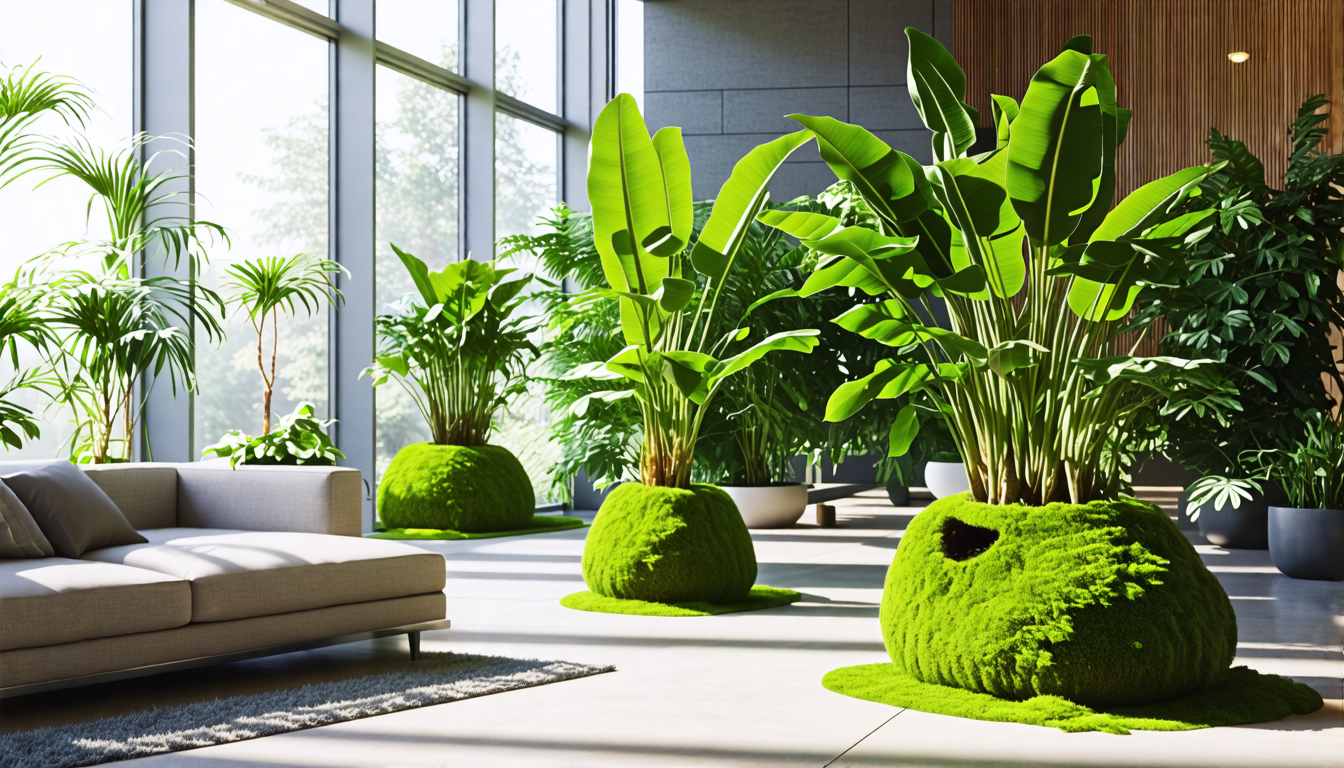
- The Patience Phase: Place your creation in a shady, moist spot. Mist it lightly every day to keep it damp. In a few weeks, you should see a beautiful, velvety green moss beginning to cover the surface.
Moss Pots vs. Other Air-Purifying Methods: A Clear Comparison
Moss Pots vs. Houseplants
While houseplants are fantastic, they often require specific care: the right soil, consistent watering schedules, and particular light conditions. Moss pots, in contrast, are champions of low-maintenance living. They thrive on neglect in the humid, low-light areas of your home where many plants would struggle. A unique advantage is that moss has a massive surface area relative to its size, acting like a fine net that captures airborne particles and mold spores that larger plants might not affect.
| Feature | Moss Pot | Typical Houseplant |
|---|---|---|
| Light Requirement | Low to no direct light | Varies, often needs indirect light |
| Watering Frequency | Daily misting | Weekly or bi-weekly watering |
| Soil Required | No | Yes |
| Air Filtration Mechanism | Bio-filtration (traps & breaks down particles) | Primarily oxygen production |
Moss Pots vs. HEPA Air Purifiers
HEPA purifiers are effective but come with a list of drawbacks: they use electricity, create background noise, and require expensive, periodic filter replacements that end up in landfills. Moss pots operate silently and for free. Their unique benefit lies in their biological action; they don’t just trap particles. The living ecosystem on the moss can help break down certain pollutants biologically. Furthermore, they actively add beneficial humidity to dry, air-conditioned, or heated indoor environments.
| Feature | Moss Pot | HEPA Air Purifier |
|---|---|---|
| Operating Cost | $0 after creation | Electricity cost + filter replacements |
| Noise Level | Silent | Audible fan noise |
| Waste Produced | None | Used filters |
| Additional Benefits | Adds humidity, biophilic design | None |
The Science of Serenity: How Moss Purifies Your Air
More Than Just Oxygen Production
Moss is a powerful bio-filter. Its dense, damp surface is exceptionally effective at capturing dust, mold spores, and other particulate matter, literally pulling them out of the air you breathe.
The Unique Benefit You Might Not Know
Beyond cleaning the physical air, moss pots offer a profound psychological benefit rooted in biophilic design. Scientific studies have shown that the simple presence of moss, with its soft texture and deep green color, can significantly lower stress levels, reduce blood pressure, and improve mental focus and creativity. It creates a feeling of calm and purity that transcends mere chemistry, connecting you to nature in a deeply restorative way.
Frequently Asked Questions About Moss Pots
Will my moss pot attract bugs or insects?
A properly maintained moss pot is no more likely to attract pests than a typical houseplant. The key is to avoid over-saturation. Allowing the surface to dry slightly between mistings will help prevent issues with fungus gnats.
How often do I need to water my moss pot?
Moss thrives on consistent moisture but not sogginess. A light misting with a spray bottle once or twice a day is usually sufficient. The frequency will depend on the humidity and airflow in your home.
Can I use moss from my backyard instead of creating it from lawn waste?
While you can transplant moss, it’s often less successful and not as sustainable. The “moss milkshake” method is superior because it encourages the native spores already present in your lawn waste and environment to grow. This results in a moss pot that is uniquely adapted to the specific conditions of your home.
Do moss pots work in all rooms of the house?
They are most effective and will thrive best in rooms with naturally higher humidity and lower light levels, such as bathrooms and bedrooms. They are a perfect, natural air-purifying solution for challenging spaces like windowless offices or basement rooms where other plants wouldn’t survive.
Conclusion: Breathe Easier with a Living Piece of Art
Creating a moss pot from lawn waste is a powerful act of sustainability. It transforms a waste product into a beautiful, living piece of decor that actively works to clean your air and soothe your mind. It’s a simple, rewarding project with a double payoff. Start your next lawn clean-up with a new purpose, and create your own beautiful moss pot to maintain pure air in your home.