Why Your Garden Needs Organic Fertilizers
Beyond Nutrients: The Holistic Benefits
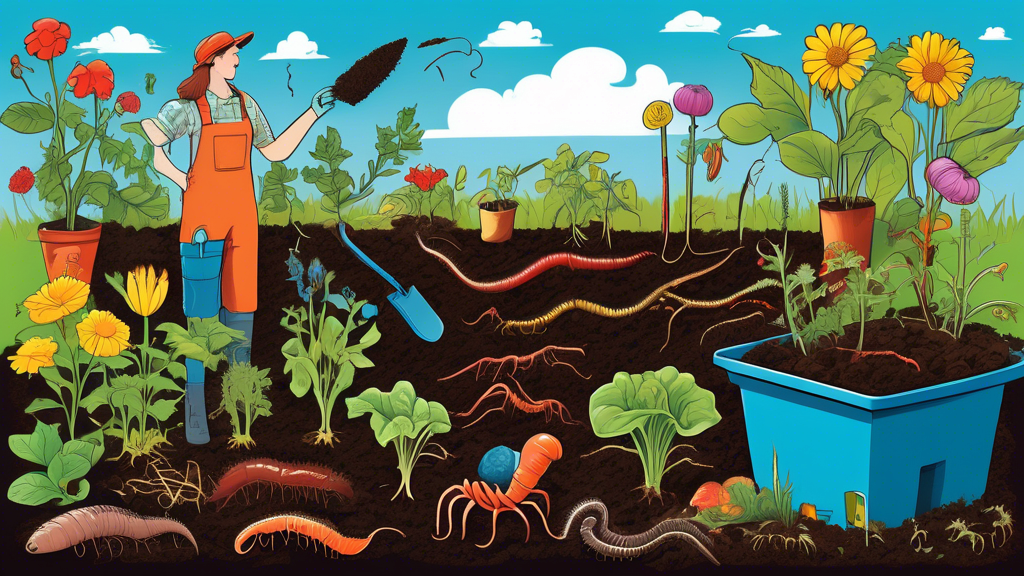
Organic fertilizers do more than just feed your plants; they build a living, breathing soil ecosystem. They improve long-term soil structure, encourage beneficial microbial life, release nutrients slowly to prevent burn and leaching, and are environmentally sustainable and safe for children and pets.
Common Garden Problems and Organic Solutions
Many gardeners face recurring issues that synthetic fertilizers can exacerbate. Here’s how organic options provide a real solution:
- “My plants grow quickly but then look weak.” Synthetic fertilizers can cause rapid, sappy growth that is more susceptible to pests and diseases. Organic fertilizers promote strong, resilient growth.
- “My soil is hard and compacted.” Organic matter from these fertilizers improves soil tilth and aeration, breaking up heavy clay and helping sandy soil retain moisture.
- “I’m worried about chemicals on my vegetables.” Organic fertilizers are derived from natural sources, eliminating the risk of harmful chemical residues on your homegrown food.
- “I fertilize, but my plants still seem deficient.” Organics provide a wide spectrum of essential micronutrients that are often absent from synthetic blends, addressing hidden hunger in your plants.
Understanding the N-P-K Ratio: What Your Plants Really Crave
The N-P-K ratio on a fertilizer bag stands for Nitrogen (N), Phosphorus (P), and Potassium (K).
- Nitrogen (N): For lush, green leafy growth.
- Phosphorus (P): For strong root development and vibrant flowers and fruits.
- Potassium (K): For overall plant vigor and disease resistance.
| Plant Type | Recommended N-P-K Focus |
|---|---|
| Leafy Greens (Lettuce, Kale) | High Nitrogen (e.g., 5-1-1) |
| Flowers & Fruit (Tomatoes, Peppers) | High Phosphorus (e.g., 3-5-3) |
| Root Vegetables (Carrots, Potatoes) | Balanced or Higher Potassium (e.g., 4-6-4) |
The “Chelation” Effect: A Hidden Superpower
Something many gardeners don’t know is that organic fertilizers often contain natural chelating agents, like humic and fulvic acids. These agents bind to vital micronutrients such as iron and zinc, creating a protective shell that prevents them from becoming locked up in the soil. This makes these nutrients far more available for plant uptake compared to their synthetic counterparts, acting as a hidden delivery system for plant health.
A Breakdown of the Best Organic Fertilizers
All-Star All-Rounders: Balanced Fertilizers
- Compost: The king of soil builders. It improves soil structure, moisture retention, and provides a slow-release of a wide range of nutrients.
- Worm Castings: A nutrient-dense, mild fertilizer that won’t burn plants. Perfect for seedlings, potted plants, and as a top-dressing.
- Well-Rounded Commercial Blends: Products like Dr. Earth Home Grown or Espoma Plant-Tone offer a balanced N-P-K ratio and are easy to use for general garden feeding.
Nitrogen Boosters for Lush, Green Growth
- Blood Meal: A fast-acting, high-nitrogen source derived from dried animal blood. Ideal for giving leafy greens a quick boost.
- Fish Emulsion: A liquid fertilizer that provides a rapid “green-up” effect. It’s great for mid-season feeding but has a distinct odor.
- Alfalfa Meal: A gentle, sustainable nitrogen source that also contains triacontanol, a natural plant growth stimulant that encourages lush growth.
Bloom Boosters for Vibrant Flowers and Fruits
- Bone Meal: A classic, slow-release source of phosphorus, essential for strong root systems and prolific blooming.
- Bat Guano: A potent, fast-acting source that can be high in either nitrogen or phosphorus, depending on the source. Excellent for flowering plants and tomatoes.
- Rock Phosphate: A very slow-release, long-term phosphorus source that gradually becomes available to plants over several years.
Soil Conditioners and Potassium Sources
- Kelp/Seaweed: Provides potassium, a full spectrum of micronutrients, and natural plant growth hormones (cytokinins) that enhance stress tolerance and overall health.
- Greensand: A slow-release potassium source mined from ancient ocean deposits. It also helps to loosen heavy clay soils.
- Gypsum: Improves soil structure in heavy clay and sodic soils without altering pH, allowing for better root penetration and water infiltration.
Head-to-Head: Choosing the Right Fertilizer for Your Garden
Compost vs. Commercial Organic Blend
| Fertilizer | Best For | Considerations |
|---|---|---|
| Compost | Overall soil health and structure | Nutrient levels can vary; it’s a long-term amendment. |
| Commercial Blend | Targeted feeding with a specific N-P-K ratio | More consistent and predictable nutrient delivery. |
Blood Meal vs. Fish Emulsion
| Fertilizer | Best For | Considerations |
|---|---|---|
| Blood Meal | Granular, slow-release soil amendment | Can attract carnivorous animals if not worked into the soil. |
| Fish Emulsion | Liquid, fast-acting foliar feed or soil drench | Has a strong odor that dissipates after a day or two. |
Bone Meal vs. Rock Phosphate
| Fertilizer | Best For | Considerations |
|---|---|---|
| Bone Meal | Faster root and bloom development | Also adds a small amount of nitrogen. |
| Rock Phosphate | A long-term (multi-year) phosphorus reserve | Works best in acidic soils; very slow to break down in neutral/alkaline soils. |
How and When to Apply Organic Fertilizers for Maximum Impact
Before you add anything, conduct a soil test. This is the most crucial step to avoid nutrient imbalances. Best practices include:
- Top-dressing: Sprinkling fertilizer around the base of plants and lightly scratching it into the soil surface.
- Side-dressing: Applying fertilizer in a shallow trench a few inches away from plant stems.
- Working into soil: Mixing fertilizers into the garden bed before planting.
A general seasonal guide is to apply a balanced fertilizer in early spring as plants break dormancy, and then again with a bloom booster right before the flowering period begins.
Frequently Asked Questions (FAQs) About Organic Fertilizers
Are organic fertilizers slower to work than synthetic ones?
Yes, they typically are. They release nutrients as they are broken down by soil microbes. This provides a steady, long-lasting feed that builds soil health, rather than a quick fix that can lead to boom-and-bust growth cycles.
Can I use too much organic fertilizer and “burn” my plants?
It is much harder to burn plants with organic fertilizers compared to synthetic salts, but it is still possible, especially with “hot” fertilizers like fresh manure or concentrated options like blood meal. Always follow package directions and err on the side of less.
What is the single best organic fertilizer for a beginner?
Good-quality, finished compost. It’s incredibly forgiving, difficult to over-apply, improves soil in every conceivable way, and provides a wide, balanced range of nutrients and beneficial microbes.
Do organic fertilizers attract pests or animals?
Some can. Bone meal, fish meal, and blood meal can be attractive to dogs, raccoons, and other scavengers. To mitigate this, mix these fertilizers lightly into the soil and cover with a layer of mulch after application.
Choosing from the best organic fertilizers for thriving gardens is an investment in the long-term health of your soil and plants. Start with a soil test, don’t be afraid to experiment, and observe how your garden responds. Share your favorite organic fertilizer successes in the comments below!